IN Brief:
- Huub Lelieveld has been recognised by the World Food Prize for work associated with hygienic engineering and food safety.
- The award places equipment design, cleanability, and contamination prevention back at the centre of food manufacturing discussion.
- Recognition at this level may give fresh momentum to hygienic design work across plant upgrades, standards, and supplier specifications.
The World Food Prize Foundation has recognised Huub Lelieveld as its 2026 laureate, bringing unusual visibility to a discipline that rarely receives mainstream attention outside the processing sector: hygienic engineering. For food manufacturing, that is more than a ceremonial moment. It places machinery design, cleanability, contamination control, and process architecture at the heart of a global food-systems award.
Lelieveld has long been associated with the European Hygienic Engineering & Design Group, whose work has helped shape practical guidance around equipment design, plant hygiene, and contamination prevention. EHEDG’s influence has extended across machinery design, risk assessment, cleaning regimes, and supplier expectations, creating frameworks that have become part of everyday factory decision-making even when the organisation itself sits in the background.
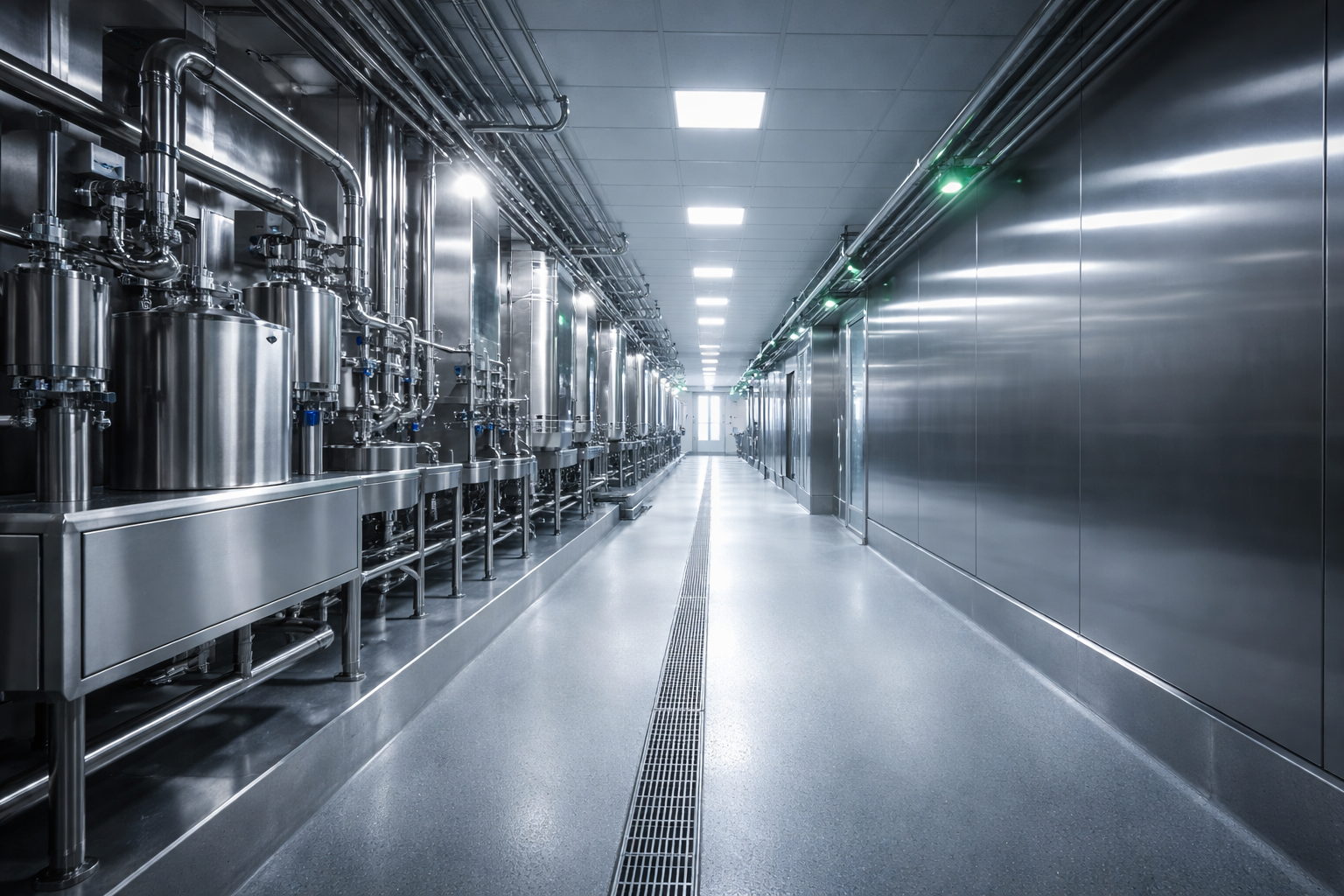
That background role is precisely why the award stands out. Hygienic design tends to surface publicly only when something has gone wrong — contamination incidents, recalls, or audit failures. In reality, it is one of the quiet disciplines that determines whether a line can be cleaned consistently, whether dead legs and product traps are designed out, and whether sanitation performance can be maintained without eroding uptime. It is engineering work with direct consequences for food safety, waste, and plant efficiency.
The recognition also lands at a useful moment for the sector. Food plants are being pushed to modernise around automation, energy performance, and faster changeovers, yet those upgrades only deliver fully when hygienic design is embedded rather than retrofitted. New sensors, robotics, filling systems, and packaging lines all create opportunities to improve both throughput and hygiene, but only if equipment design remains anchored in cleanability and risk reduction.
EHEDG itself has described hygienic design as a foundation of food safety, and that has become easier to see as factories take on more complex product portfolios and tighter verification demands. In that environment, hygienic engineering is no longer a specialist side conversation between quality and equipment teams. It increasingly shapes capex decisions, user requirement specifications, and supplier selection from the outset.
Further background on the foundation is available through the World Food Prize Foundation and on hygienic design practice through EHEDG. The award does not change the technical work still required on factory floors, but it does something more unusual: it reminds the wider industry that safe food still begins with the way a line is built.