IN Brief:
- The Philippine DTI has warned exporters to prepare for incoming EU MOAH limits.
- Coconut products are among the categories expected to face the greatest exposure.
- Processing, packaging, and transport controls are all under scrutiny.
The Department of Trade and Industry in the Philippines has told food exporters to begin testing for mineral oil aromatic hydrocarbons ahead of incoming EU limits, signalling a sharper compliance burden for processors supplying sensitive categories into Europe.
The warning places coconut products among the lines most likely to be affected. Exporters have been told to begin MOAH testing, review processing and packaging practices, and stay closely aligned with EU buyers as the rules approach application. The message is clear: waiting for border action is no longer a viable compliance strategy.
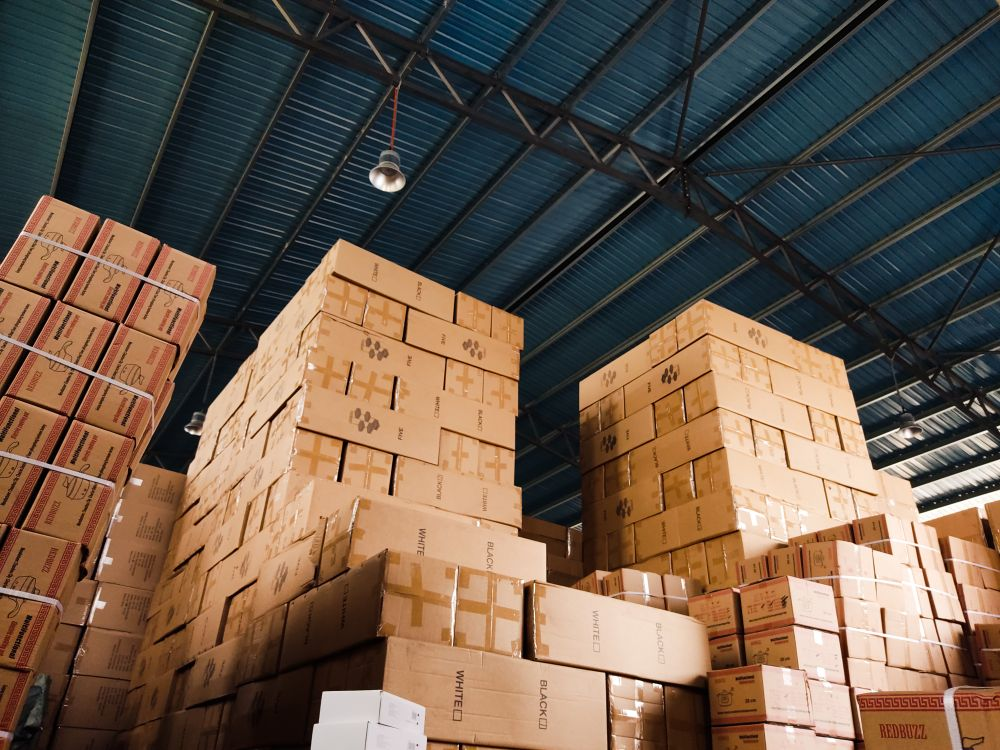
The contamination pathways under discussion extend well beyond raw material quality. MOAH can enter food through processing equipment, lubricants, packaging materials, and transport, which means the control plan has to reach across plant maintenance, line design, pack selection, warehousing, and logistics rather than sitting with laboratory testing alone.
That wider footprint is what makes the story significant. Non-compliance can result in border rejection or market withdrawal, but the more difficult challenge is proving control across a chain where contamination may arise from multiple contact points. For ingredient and oil exporters in particular, the EU’s direction is pushing mineral-oil risk firmly into routine export-readiness work.