IN Brief:
- A major fire broke out at Warburtons’ Burnley bakery on 4 May.
- The incident affected part of the manufacturing operation, with all staff safely evacuated and no injuries reported.
- Warburtons’ wider bakery network is expected to support production continuity while damage and cause are investigated.
Warburtons is relying on its wider UK bakery network to minimise customer disruption after a major fire broke out at its Burnley bakery and affected part of the manufacturing operation.
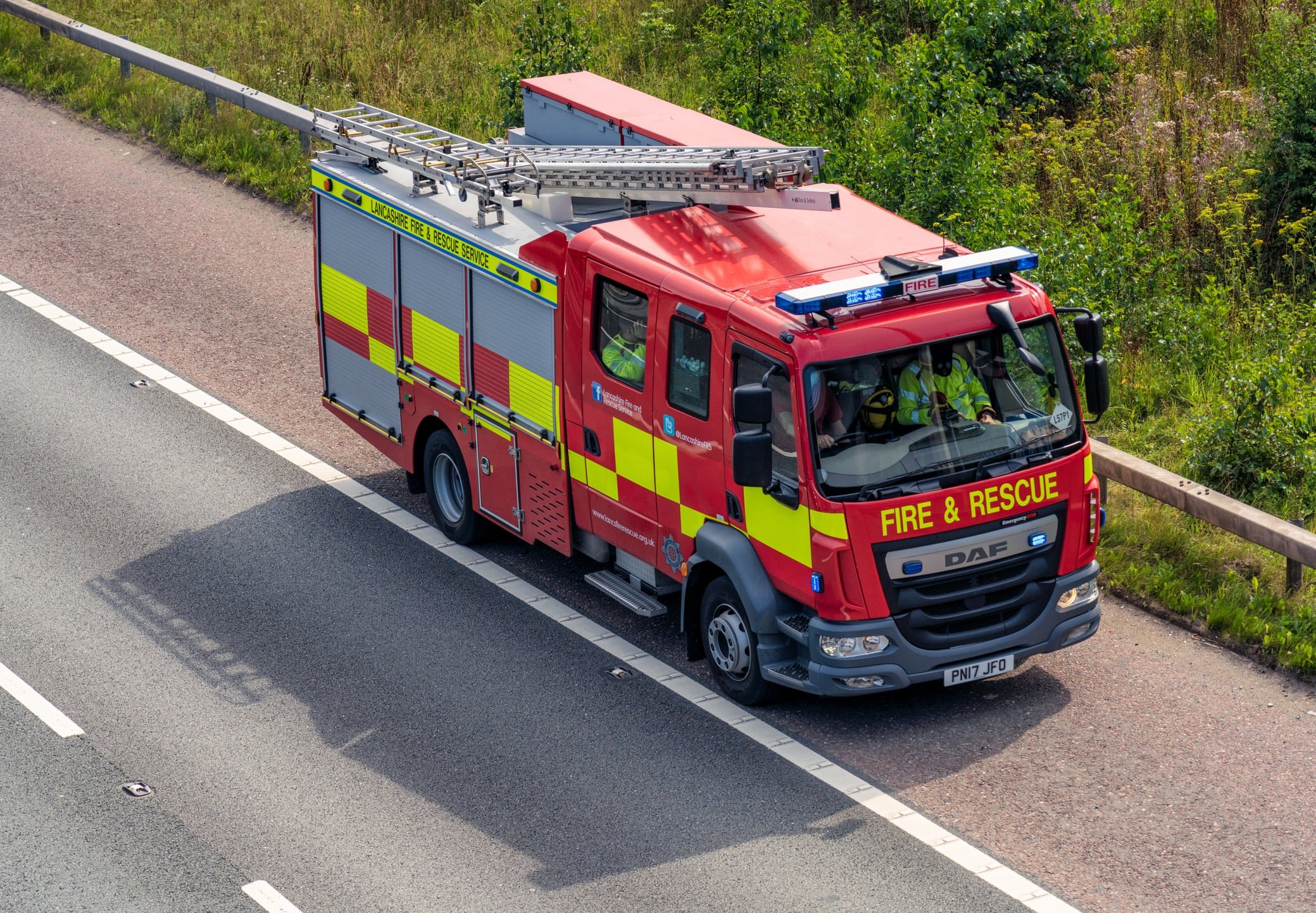
The fire was reported on 4 May at the company’s Billington Road site. Emergency services attended with multiple fire appliances and aerial units as smoke spread across the area. All staff were safely evacuated and no injuries were reported. The cause of the fire remains under investigation, and the full extent of the damage has not yet been confirmed.
The incident involved one of the site’s production lines and prompted a prolonged emergency response. Warburtons said contingency plans were in place, with production support available from other bakeries in the company’s national network. The business operates 12 bakeries across the UK and has continued baking at other sites while the Burnley situation is assessed.
Industrial bakery production leaves little room for extended interruption. High-volume lines run to tight schedules, fixed delivery windows, and product formats that cannot be paused indefinitely without affecting supply. A fire affecting one line can quickly become a network planning problem involving production transfer, labour scheduling, ingredient allocation, logistics, customer communication, and maintenance access.
Burnley carries particular weight because of its association with high-volume hot plate production, including crumpets. Warburtons has moved to reassure the market that production can be supported elsewhere, but the incident still underlines the vulnerability of concentrated category capacity. When one site produces a large share of a specific product type, continuity depends on whether other facilities have compatible equipment, available shifts, technical capability, and spare capacity.
The bakery sector is already managing labour availability, energy costs, ingredient volatility, and machinery investment requirements. Production is asset-heavy and time-sensitive, with ovens, proofing systems, mixers, depositors, hot plates, conveyors, cooling systems, slicers, baggers, and dispatch areas working as a continuous chain. Damage to one part of that chain can force changes far beyond the immediate fire zone.
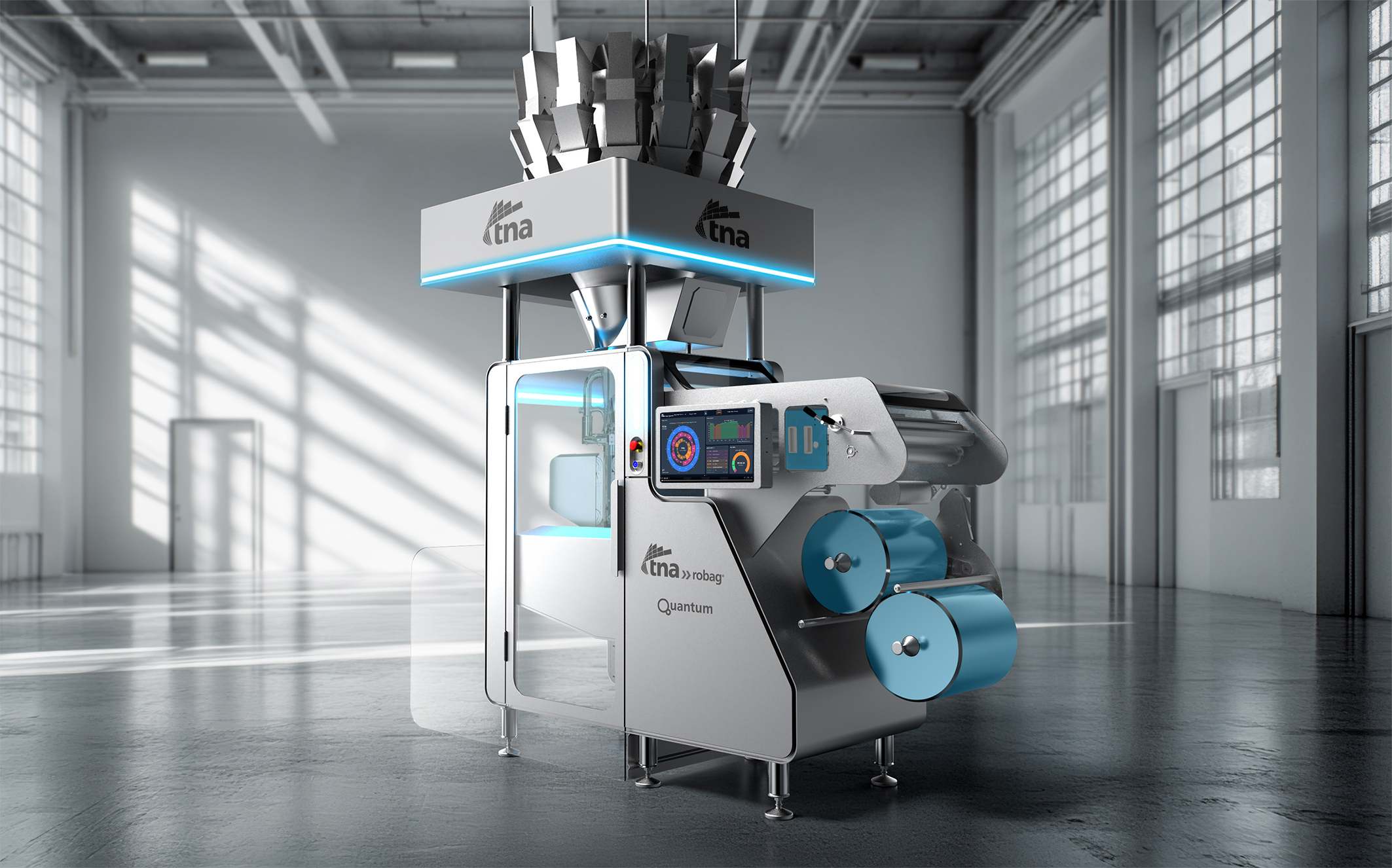
Recent IN Food coverage of high-throughput snack packaging investment showed a similar operational principle: faster individual equipment only delivers value when the wider line remains balanced and resilient. In bakery, resilience also depends on fire prevention, compartmentation, extraction systems, maintenance discipline, dust and grease management, emergency access, and the ability to isolate affected areas without losing the whole site.
Food factories present difficult fire-risk profiles. They combine heat, moving machinery, electrical systems, packaging materials, oils, dusts, cleaning chemicals, and often ageing building infrastructure. Bakeries add ovens, fryers, hot plates, flour handling, and combustible packaging to that mix. Monitoring and maintenance systems can reduce risk, but they still rely on disciplined housekeeping, inspection routines, and rapid incident response.
The Burnley incident also shows why multi-site networks retain strategic value even when manufacturers face pressure to consolidate. Large, specialised plants can deliver efficiency, but they can also create single points of failure. A distributed network may carry more complexity and cost, yet it gives manufacturers more options when a line, site, or region is disrupted.
Contingency planning has moved from administrative requirement to practical manufacturing discipline. Processors need to know which products can be transferred, what technical adjustments are required, how packaging specifications move between lines, which customers need priority supply, and how logistics flows change when production shifts. Those decisions become more reliable when they have been tested before an incident.
Warburtons’ next steps will include damage assessment, investigation, repair planning, and production balancing across the wider network. Across the bakery sector, the incident is a reminder that throughput only tells part of the production story. Recovery capability decides whether supply can hold when a major line stops.