IN Brief:
- Ingredion’s US and Canada Food & Industrial Ingredients operating income fell sharply in the first quarter.
- The decline was linked to production challenges at the Argo facility, softer volumes, and mix pressure.
- The disruption shows how process instability can move quickly into inventory, logistics, margins, and customer service.
Ingredion has reported a sharp first-quarter decline in its US and Canada Food & Industrial Ingredients business after production challenges at its Argo facility affected saleable inventory, costs, and operating performance.
The segment’s first-quarter operating income fell to $34m from $92m a year earlier, a decline of 63%. Net sales fell 9% to $475m, with the reduction linked to production challenges at Argo, softer volumes, and mix pressure.
Ingredion had expected $10m to $15m of additional costs as the facility recovered to normal grind rates. The actual first-quarter impact reached $40m, driven by higher maintenance spend, elevated rework, and additional logistics costs as products were sourced from other facilities in the network to meet customer commitments.
Downstream refinery production returned to normal levels by the end of the quarter, although recovery was complicated by an isolated thermal event on 10 April in Argo’s corn germ processing operations. The company expects corn germ processing at the site to return to normal within the second quarter.
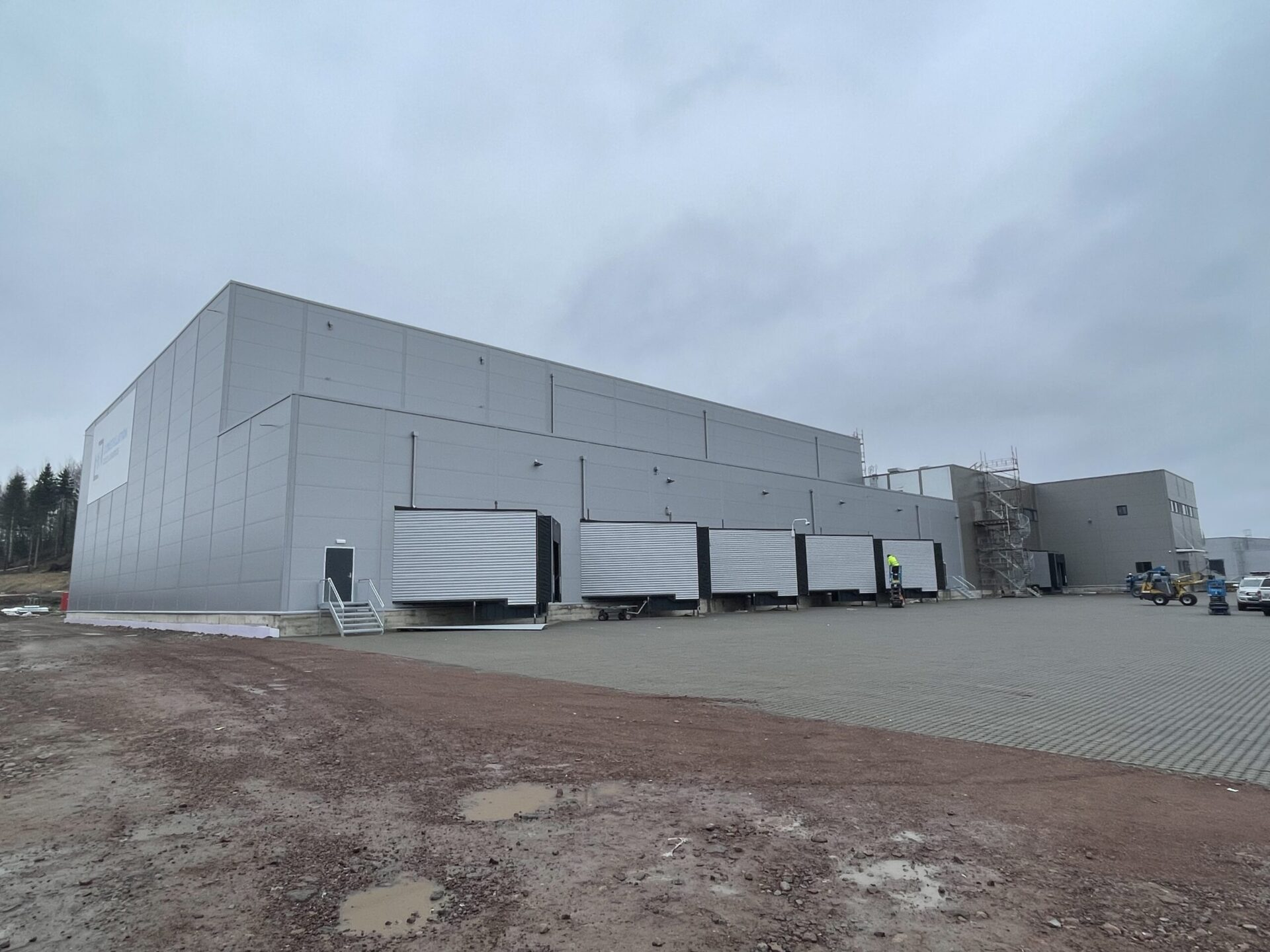
Argo is a critical manufacturing asset within Ingredion’s North American sweetener and starch operations. Process disruption at that kind of site does not remain confined to production. It can affect saleable inventory, customer allocations, freight planning, alternative sourcing, maintenance expenditure, yield, working capital, and customer confidence.
Ingredient supply chains are particularly exposed to reliability issues because many food manufacturers depend on consistent functionality from starches, sweeteners, texturisers, and related systems. A disruption can affect bakery, beverage, confectionery, dairy, sauces, prepared foods, and industrial ingredient applications, depending on the product mix involved.
The first-quarter setback also shows how a plant issue can overshadow positive demand signals elsewhere in an ingredients portfolio. Clean label remained a growth driver within Ingredion’s solutions offering, while pea protein isolate sales and stevia-based solutions also grew. Those areas reflect continuing demand for technical ingredients linked to health, sugar reduction, protein fortification, and reformulation. Even so, a processing issue at a major facility had a material effect on the quarter.
Regional ingredient capacity has been gaining strategic importance as manufacturers try to reduce exposure to long supply chains and improve technical support. ABF Ingredients’ planned Ohly facility in Wisconsin was framed around customer proximity, reliability, and local capability. Ingredion’s Argo disruption sits on the other side of the same manufacturing equation: capacity only protects customers when it can be run consistently and recovered quickly after a failure.
The disruption lands in a market where food manufacturers have little room for fragile ingredient supply. Brands are managing reformulation, cost pressure, clean-label expectations, protein claims, sugar reduction, packaging changes, and volatile consumer demand. Ingredients that once sat quietly in the background now carry more strategic weight because they influence texture, sweetness, processability, nutrition, shelf life, and label position.
A processing issue at a major ingredient plant can therefore ripple through multiple parts of a customer’s business. Reformulation teams may need to validate alternative sources. Procurement teams may face price or allocation pressure. Operations teams may have to adjust production schedules if material availability changes. Quality teams may need to approve substitutes or altered specifications.
Ingredion’s recovery at Argo will be watched for more than the immediate cost effect. It will test how quickly a major ingredient supplier can diagnose process failures, deploy technical support, restore normal production, and prevent similar disruption from recurring.
As food manufacturers rely more heavily on specialised, functional, and reformulation-critical ingredients, the resilience of the plants that make them becomes part of the product proposition. Supply security starts in the process unit.