IN Brief:
- France’s late-June heatwave killed an estimated 2.5m to 3m broiler chickens, with Brittany among the hardest-hit regions.
- Belgian livestock producers have reported heat stress affecting cattle and pigs, including reduced feed intake, lower milk production, and slower growth.
- The disruption sharpens focus on ventilation, cooling, emergency disposal capacity, welfare controls, and raw material continuity across livestock supply chains.
ANVOL and wider European livestock groups are facing renewed pressure over heat resilience after a late-June heatwave caused severe poultry losses in France and production stress across parts of Belgium.
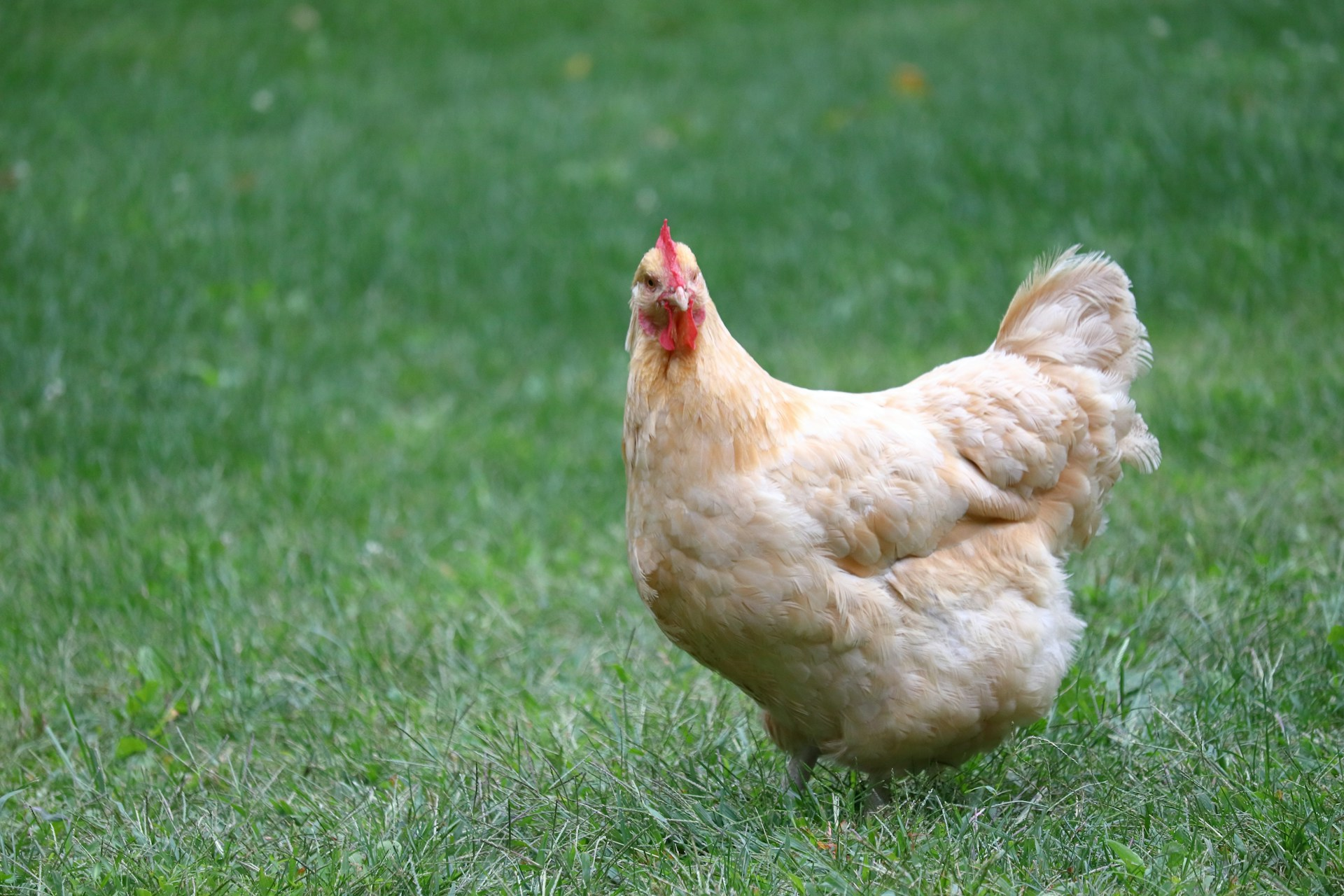
The French poultry sector lost an estimated 2.5m to 3m broiler chickens during the extreme temperatures, with Brittany among the regions most heavily affected. The scale of mortality placed strain on rendering and collection services, creating emergency disposal challenges alongside the immediate animal welfare losses.
Belgian livestock producers have also reported heat-related pressure across cattle and pig production. Animals under sustained heat stress tend to reduce feed intake, which can lower milk output in dairy herds and slow growth in pigs. Those effects can disturb processing schedules, raw material intake, animal movements, and factory planning even where direct mortality is avoided.
The disruption has moved the climate resilience debate from farm-level welfare management into the industrial food chain. Poultry plants depend on predictable bird flows that align slaughter capacity, chilling, packing, labour, transport, and customer programmes. A sharp mortality event before animals reach the plant removes volume from that system while creating a separate disposal and biosecurity burden.
Livestock heat stress also affects product consistency. Lower feed intake, altered growth rates, dehydration, transport restrictions, and welfare interventions can all change the pace and quality of supply. Dairy operations face their own production balance problems when milk volumes fall or milk composition changes during prolonged heat. Cheese yield, cream balance, powder production, and fresh milk scheduling all become harder to manage when intake shifts quickly.
The poultry losses in France exposed how lean biological supply chains can be when extreme weather arrives faster than infrastructure can adapt. Modern poultry systems are highly efficient, but efficiency assumes that ventilation, water systems, stocking densities, alarms, transport planning, and back-up energy capacity remain within manageable limits. Once temperatures move beyond those assumptions, welfare, productivity, and plant continuity become linked problems.
Farm investment will increasingly have to account for heat as a recurring production constraint rather than an exceptional event. Shed design, air movement, evaporative cooling, water availability, sensors, alarm systems, generator capacity, and lower-stress handling protocols all become part of livestock supply resilience. Those upgrades carry capital and energy costs, but the alternative is a higher risk of mortality, production loss, and emergency intervention.
The wider protein sector is already searching for ways to reduce exposure to volatile livestock economics. Hybrid meat development, explored through the growing technical interest in scalable lower-impact protein formats, will not displace conventional poultry, dairy, or pork production in the near term. It does, however, sit within the same risk landscape: raw material supply is becoming more variable, and manufacturers are trying to build more flexibility into product systems.
Rendering and carcass collection capacity will also need closer scrutiny. A mass poultry mortality event produces a surge in biological material that must be handled quickly and safely. If collection systems cannot absorb that surge, disposal decisions move into emergency territory, with potential consequences for biosecurity, environmental control, and public confidence.
Transport planning becomes equally sensitive in heatwave conditions. Moving animals during extreme temperatures can increase welfare risks, but delaying movement can disrupt slaughter schedules and create overcrowding or holding problems upstream. Processors, integrators, hauliers, and farms will need more precise heat-event protocols if similar conditions become more frequent.
The June event is a warning for livestock supply chains built around narrow operating windows. More cooling and ventilation will help, but the resilience question extends across farm design, energy security, logistics, rendering, processing schedules, and product planning. European livestock production is entering a period where climate adaptation has to be engineered into the system, rather than managed as a seasonal exception.