IN Brief:
- Nepra Foods has introduced Nepra Wellness as the common platform for its ingredients, manufacturing and consumer brand operations.
- A recently acquired Lewiston, Idaho operation adds domestic beverage manufacturing and third party packing capability.
- The company’s Colorado site provides approximately 31,000 square feet of warehousing, distribution, fulfilment and ingredient infrastructure.
Nepra Foods has brought its expanding ingredient, beverage manufacturing, fulfilment and consumer brand activities under the Nepra Wellness platform following a series of additions to its US operating infrastructure.
The change is presented as a new commercial identity rather than the creation of an entirely new business. Underneath it sits a broader manufacturing model than Nepra operated historically, with the company moving beyond specialist food ingredients and product development into beverage production, contract packing, warehousing and brand operations.
A central part of that expansion is the company’s recently acquired beverage manufacturing business in Lewiston, Idaho. Nepra completed the acquisition on 31 July, and the associated water permit transferred to the company on 9 September, giving it domestic beverage production infrastructure alongside its existing food activities.
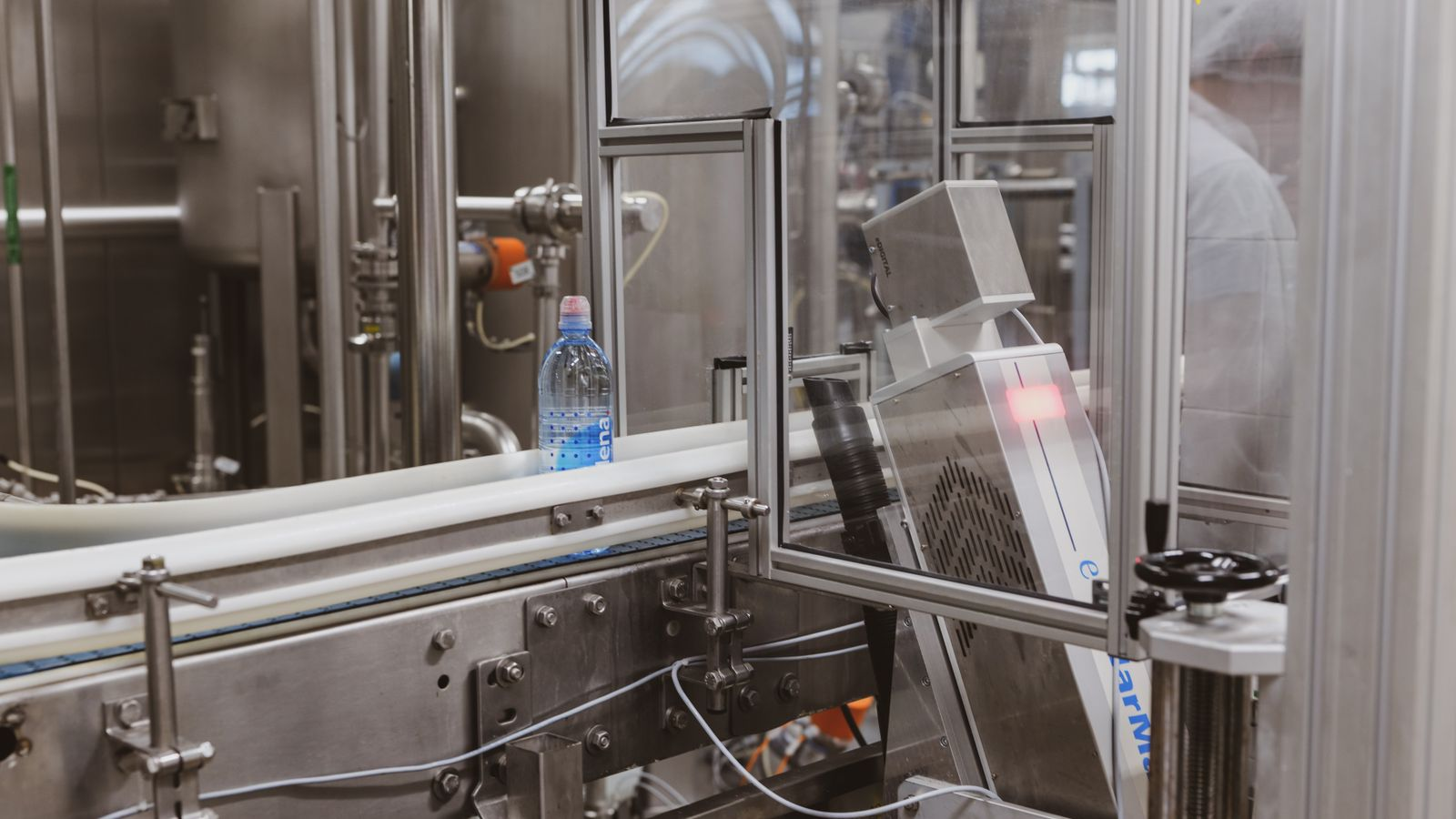
The Lewiston operation is intended to support both third party manufacturing and Nepra owned products. Purpose Water is among the first named internal applications, with the company developing the brand around alkaline water containing naturally occurring minerals and electrolytes and using recyclable aluminium packaging.
Third party production gives the plant a second commercial route. Rather than relying solely on volumes from Nepra’s own brands, the company can manufacture beverages for outside customers and spread fixed plant costs across a broader production base where contracts and line compatibility allow.
Nepra’s current contract packing proposition centres on water production while also connecting customers with a wider network of food manufacturers. The company describes a development route running from formulation and samples through approval and scale up, linking its product development origins with commercial manufacturing.
Moving a food or beverage formulation into production is rarely a straightforward enlargement of a laboratory recipe. Mixing behaviour, ingredient order, temperature, shear, filling speed and packaging interactions can all change once a formulation reaches industrial equipment.
Nepra retains an ingredient and application development operation alongside the beverage capability. Its portfolio includes gluten free and plant based ingredients, tapioca systems, protein ingredients and products intended to manage texture, hydration and processing performance.
The company also provides dry blending for manufacturers that want a standardised premix delivered to the production line rather than dosing numerous individual ingredients at the finished goods plant. That can simplify handling and protect proprietary formulations while reducing variation in small component additions.
At Centennial, Colorado, Nepra operates approximately 31,000 square feet of warehousing, distribution and fulfilment space. Those services support outside consumer goods businesses as well as the company’s own expanding portfolio.
Bringing those functions together creates a more integrated model than ingredient supply alone. A customer can potentially use Nepra for formulation work, ingredient sourcing or blending before moving into manufacturing, inventory management and fulfilment as a product reaches commercial scale.
The usefulness of that structure depends on how effectively the individual operations connect. Ingredient expertise does not automatically make a bottling plant suitable for every product, and warehouse capability cannot remove the technical qualification required before a formulation runs reliably on commercial equipment.
Nepra’s current materials address that transition through production trials and scale up support. Its technical team works on formula optimisation for commercial equipment, initial processing parameters, troubleshooting and operator guidance rather than simply handing a laboratory formulation to a manufacturer.
The Nepra Wellness identity now places those activities under one commercial umbrella alongside the company’s brands and partnerships. Existing products and operations include PROPASTA, Purpose Water, Naki Mānuka Honey distribution and additional baking products under development.
Nepra reported C$8.31 million in revenue for the year ended 31 March 2026 and has been using acquisitions and operating expansion to broaden the business beyond its historical ingredient base. The Lewiston transaction is particularly important because it adds owned beverage manufacturing infrastructure rather than another formulation or distribution service.
Owning a plant gives Nepra direct exposure to capacity utilisation, maintenance, utilities, packaging procurement and production scheduling. Third party manufacturing can help fill available capacity, while owned brands can provide direct control over part of the production pipeline.
Both routes still compete for plant time and require planning around format, changeover and inventory. The introduction of Nepra Wellness therefore matters less as a change of name than as a description of the manufacturing and supply chain capabilities now sitting beneath it.
With the Idaho acquisition completed and the Colorado infrastructure already operating, Nepra has physical manufacturing and fulfilment assets against which that wider strategy can now be measured.