IN Brief:
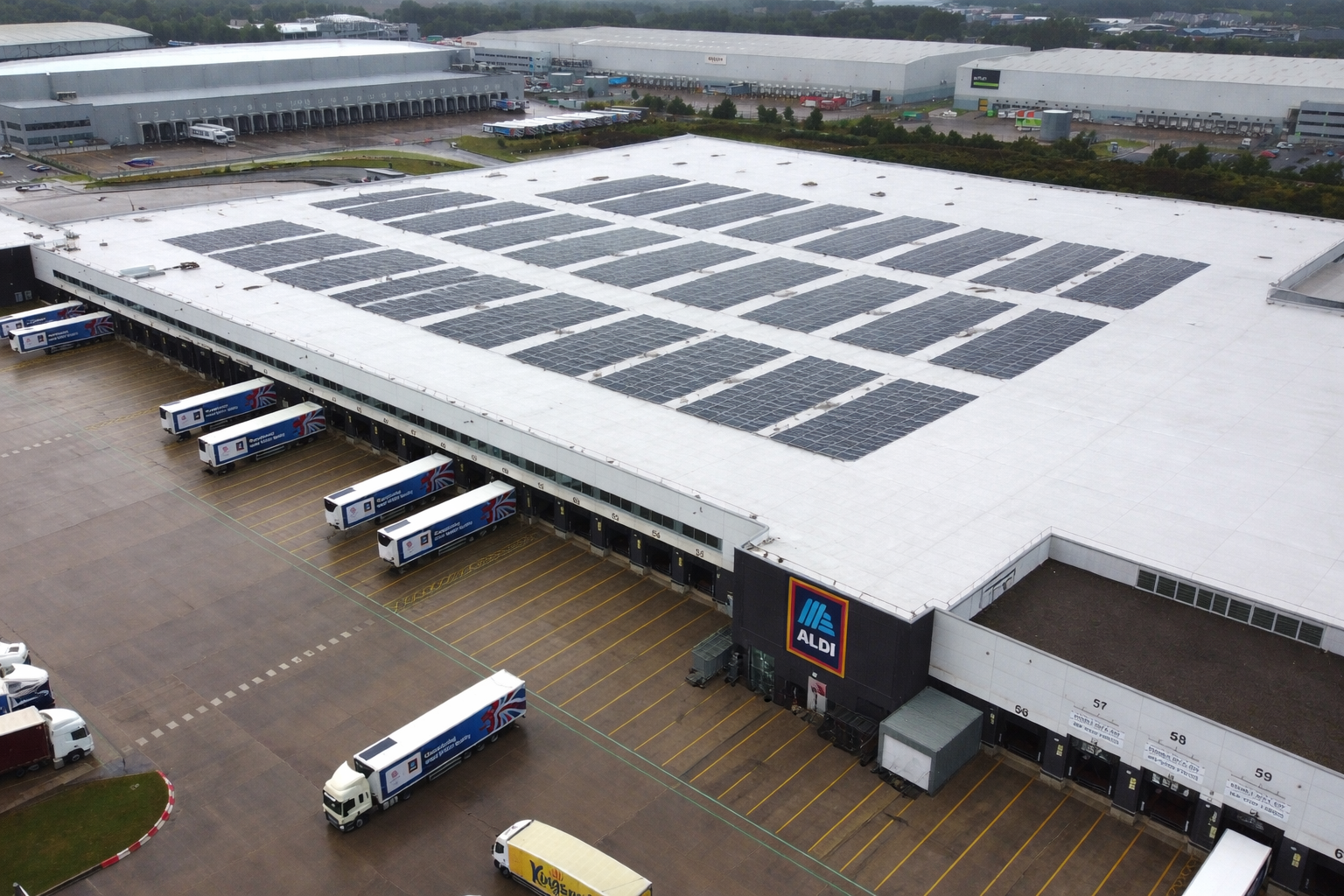
- Bega Group has installed a 1.23MW rooftop solar system across interconnected buildings at Wetherill Park.
- More than 2,400 panels were installed while manufacturing remained operational throughout the project.
- AGL estimates onsite generation will cut emissions associated with the site’s electricity use by 9% in the first year.
Bega Group has installed a 1.23MW rooftop solar system across its Wetherill Park manufacturing facility in Western Sydney, adding more than 2,400 panels without stopping production during the project.
The installation was delivered with Australian energy company AGL under a 15 year power purchase agreement. AGL owns and operates the solar equipment, while Bega buys the electricity generated by the system at an agreed rate rather than funding the array through an upfront capital purchase.
Wetherill Park is one of Bega Group’s largest manufacturing facilities and produces milk based beverages. The project is intended to reduce the amount of electricity the operation draws from the grid while supporting the group’s target of reducing Scope 1 and Scope 2 emissions by 40% by 2030.
AGL estimates that generation from the rooftop system will reduce carbon emissions associated with electricity consumption at the site by around 9% during its first year of operation. The figure relates specifically to electricity emissions at Wetherill Park rather than Bega Group’s entire carbon footprint.
Installing solar across an operating food factory required work to take place around several interconnected buildings while production continued below. Restricted crane access meant equipment and materials had to be moved to multiple roof areas without interfering with normal manufacturing activity.
The final layout spreads more than 2,400 panels across those rooftops. AGL describes the resulting installation as equivalent in scale to around 187 typical Australian household solar systems.
Milk based beverage production uses electricity across refrigeration, pumping, filling, compressed air, cleaning systems, warehousing and supporting services. Rooftop solar offsets part of that demand during daylight hours, while the site continues drawing from the grid whenever factory consumption exceeds onsite generation.
Large manufacturing plants can provide a strong load for solar because process equipment and refrigeration create substantial daytime electricity demand. That improves the proportion of generation consumed directly onsite instead of exported when factory demand remains above the instantaneous output from the roof.
The power purchase agreement also changes the investment model. Bega did not have to fund the installation through a large upfront capital project, leaving capital available for manufacturing, product development and other operating priorities.
Bega instead commits to purchasing electricity generated by the system over the 15 year term. AGL retains ownership and operating responsibility, keeping maintenance of the solar asset with the energy provider rather than adding another equipment system to the factory’s own maintenance programme.
The arrangement can also provide greater visibility over part of the site’s electricity cost because power from the array is purchased at the agreed rate. Grid electricity will still be required whenever solar generation falls short of plant demand, so the project does not isolate the factory from wider energy market movements.
Continuous food production also prevents energy demand from simply following available sunlight. Refrigeration, hygienic processing and filling schedules have to operate according to production requirements, making solar one part of the wider electricity supply rather than an independent source capable of running the plant alone.
Bega’s emissions target provides the longer term context. Cutting Scope 1 and 2 emissions by 40% by 2030 will require changes across purchased electricity and direct operational energy rather than relying on a single solar project.
Wetherill Park nevertheless provides a sizeable manufacturing application for onsite generation. Unlike a new factory where energy systems can be designed alongside the building, the installation had to be added across an established group of roofs while normal production continued.
Andrew Harris, Bega Group’s General Manager for Operations Milk Based Beverages, described the project as a source of local clean generation that can support the ongoing operation. The company also cited AGL’s experience with complex commercial projects as useful during installation where access and live site constraints had to be managed.
The completed system now moves from construction into operating performance. Its contribution will depend on solar yield, factory demand and long term equipment availability, but the project gives Wetherill Park a substantial new source of electricity without taking the manufacturing operation offline.