IN Brief:
- NRTC Group has opened a fresh food processing facility exceeding 60,000 sq ft in Dubai's Jebel Ali Industrial Area 1.
- The AED50m investment combines washing, sanitisation, cutting, juice processing and flexible packaging for different customer specifications.
- Taaza plans to expand into prepared meals, with a proposed kitchen designed for approximately 2,000 meals daily.
NRTC Group has opened an AED50m fresh food processing facility in Dubai, expanding its Taaza manufacturing business with semi-automated vegetable preparation, juice processing and flexible packaging operations.
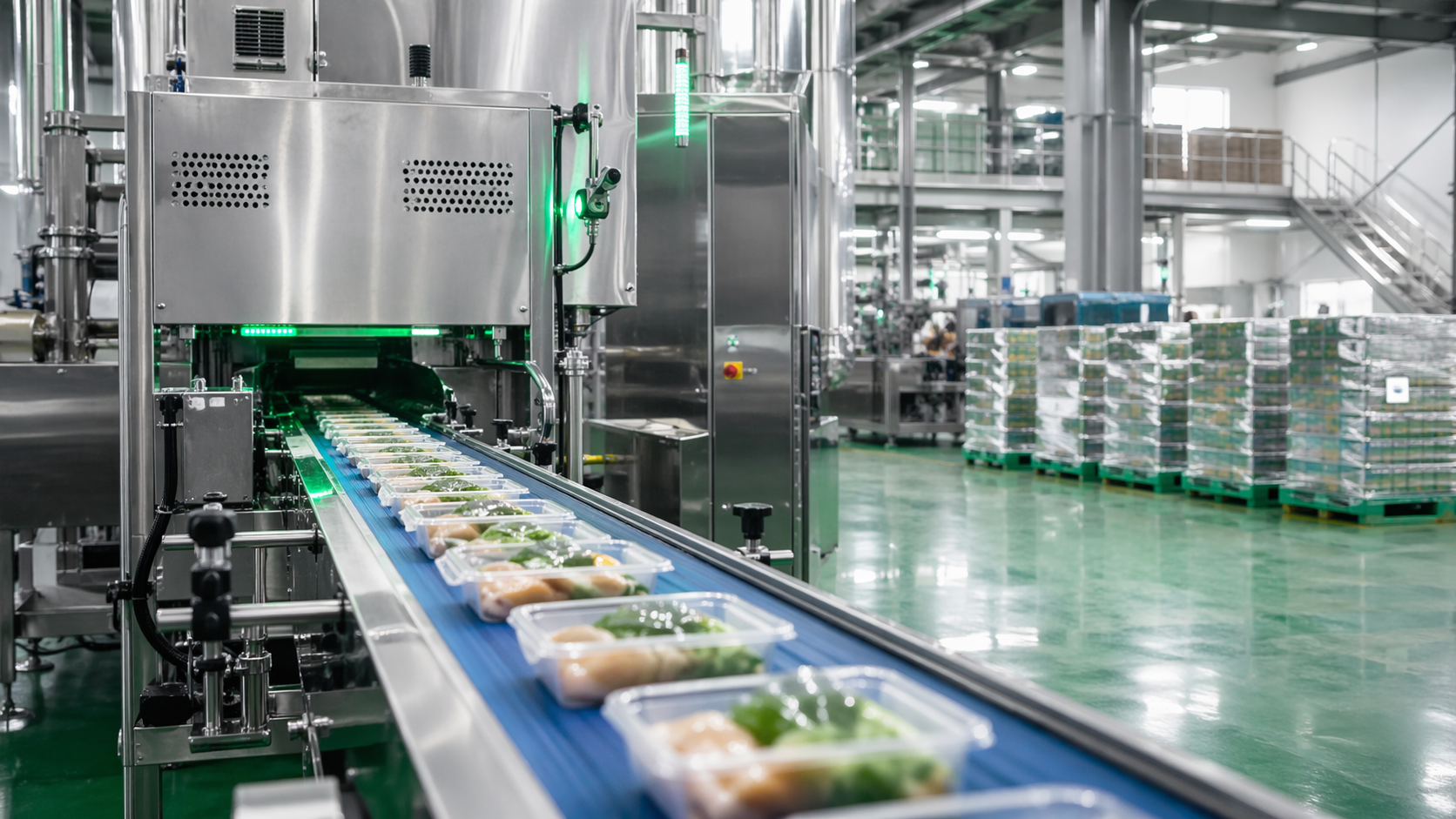
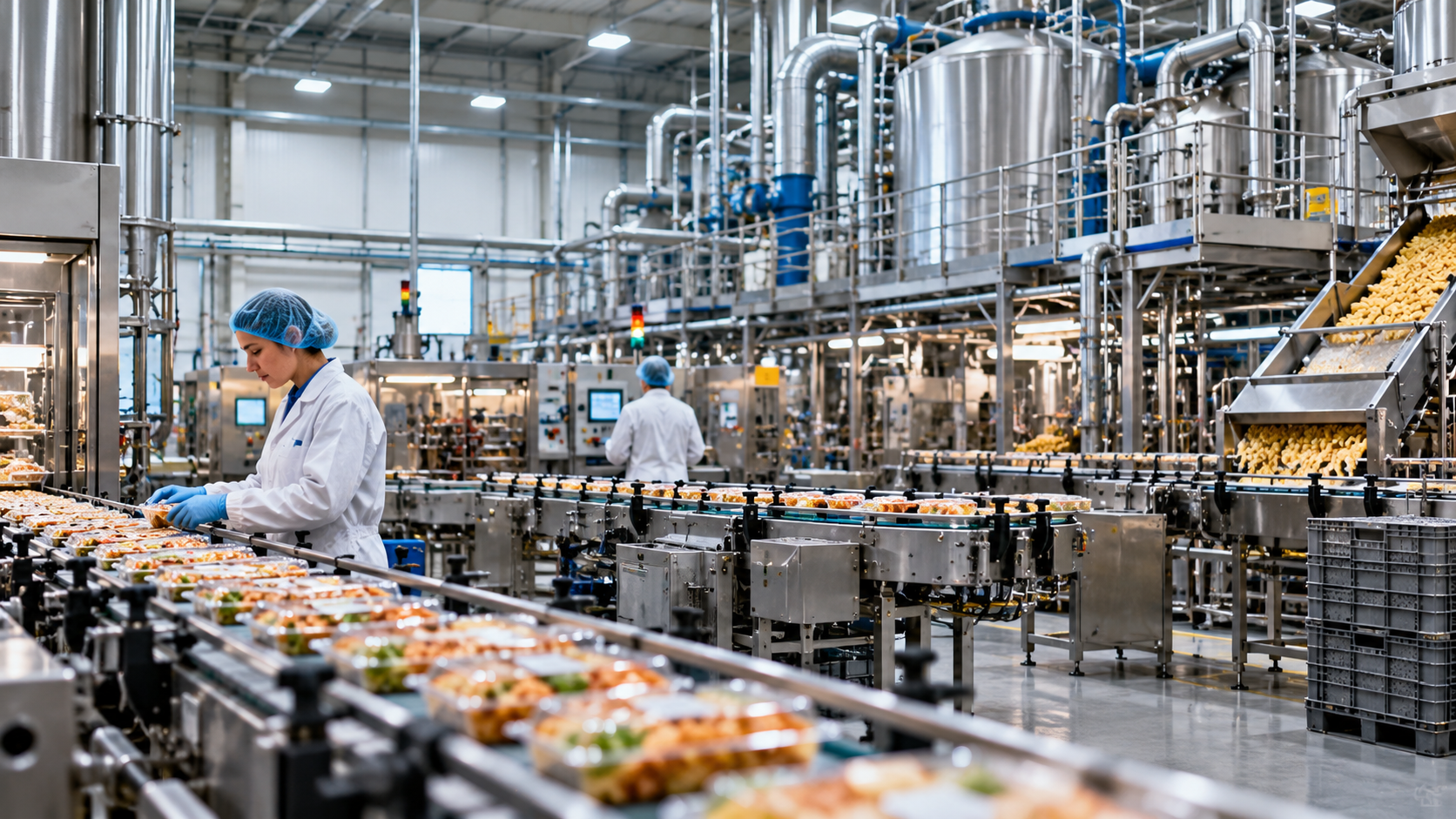
The plant occupies more than 60,000 sq ft in Jebel Ali Industrial Area 1 and will supply prepared produce and other fresh food products to restaurants, retailers, hospitality businesses and institutional foodservice operators across the United Arab Emirates.
Its manufacturing activities combine washing, sanitisation, cutting, portioning and packing within one operation. The investment extends NRTC’s established produce sourcing and distribution business into the preparation of ingredients and products ready for use by commercial customers.
The facility was introduced in early November 2026, with the company confirming that Taaza already supplies fresh-cut vegetables and juices. It plans to add further convenience food categories, although the proposed prepared-meals kitchen is a separate future development rather than capacity currently confirmed as operational.
Mohammed Alrifai, group chief executive of NRTC Group, has described the investment as a step towards connecting the company’s fresh produce sourcing and distribution activities with more extensive food processing capabilities.
Taaza’s new operation is designed around semi-automated production and the ability to manufacture different cuts, portion sizes and packaging formats. Products can be supplied in bulk for commercial kitchens or packed to specifications established by retail and private-label customers.
Those requirements affect several stages of manufacture. A restaurant chain ordering prepared vegetables may need consistent cut dimensions, portion weights and delivery quantities, while a retailer may specify individual packaging, labelling and presentation arrangements for products sold directly to consumers.
Production equipment must accommodate these differences without compromising hygiene or product quality. Cutting machinery, portioning arrangements and packaging operations require settings appropriate to each material, while changeovers between products introduce cleaning and verification requirements.
Vegetables arriving for processing also differ in size, shape, maturity and condition. These variations can influence trimming requirements and the proportion of incoming material converted into saleable prepared product, making raw material inspection and production planning important parts of the operation.
Fresh-cut produce presents particular handling challenges because cutting exposes additional tissue and increases the number of surfaces involved in manufacture. Appropriate washing, sanitisation, temperature management and hygienic handling help control the condition of the product as it moves through preparation and packaging.
NRTC has incorporated segregated processing zones and temperature-controlled environments into the plant, alongside defined operating procedures and product traceability arrangements. The company has not disclosed detailed hygiene validation results, individual processing-line capacities or the refrigeration equipment installed at the site.
Segregation allows different activities to be managed according to their processing and hygiene requirements. Raw material receiving, washing, cutting and finished-product handling each involve different sources of contamination risk, making the movement of products, personnel and equipment between zones an important operational consideration.
Traceability is particularly relevant where incoming produce from several suppliers is processed into multiple finished products. Production records need to connect raw material batches with the products manufactured from them, supporting investigations and targeted corrective action where a problem is identified.
The new facility also includes juice processing. This activity adds a different production route from the cutting and packing of vegetables, requiring appropriate control of raw material handling, extraction, product contact surfaces and the conditions under which finished juice is packaged.
Neither the installed juice capacity nor the range of processing treatments used has been specified. The published investment details establish that juice production forms part of the operation but do not support assumptions about particular pasteurisation technologies, filling systems or shelf-life performance.
Packaging flexibility is a significant part of the plant’s commercial arrangements. Taaza intends to supply products in different portion sizes and bulk formats, allowing customers to select specifications suited to their own storage, handling and preparation requirements.
Packaging selection must reflect the characteristics of the product and its intended distribution conditions. Fresh-cut produce may require different packaging arrangements from a prepared meal or juice product, while container dimensions, sealing performance and the available refrigeration arrangements influence how finished goods can be handled.
Locating these preparation and packaging functions within NRTC’s existing distribution business could reduce the amount of processing required at customers’ premises. However, the company has not disclosed quantified reductions in food waste, labour requirements or distribution costs arising from the new facility.
NRTC’s wider sourcing network extends across more than 50 countries and handles approximately one million tonnes of fresh produce annually, according to the group. That figure describes its broader procurement and distribution activities, not the annual throughput of the Taaza factory.
The distinction is important because the new plant’s production capacity has not been published. Its building area and investment value establish the physical and financial scale of the project, but neither provides a reliable measure of the tonnage it can process each year.
Taaza also intends to expand beyond its existing fresh-cut produce and juice ranges into sandwiches, wraps, dips, prepared dishes and ready-to-eat meals. A proposed kitchen operation has been described with a potential capacity of approximately 2,000 meals daily.
The planned kitchen would introduce additional manufacturing requirements, including recipe preparation, handling of multiple ingredients, assembly, packaging and controls appropriate to the finished products. Different recipes may also require distinct cooking, chilling or other preparation arrangements, although no specific equipment or commissioning date has been confirmed.
Quick-service restaurant customers form an important part of NRTC’s expansion plans. The group aims for that segment to account for approximately 20% of Taaza’s business in the first year, increasing to 40% over three years.
Those percentages are commercial targets rather than confirmed production commitments. The amount of additional manufacturing activity generated will depend on customer contracts, product specifications and how quickly the proposed expansion into convenience food categories proceeds.
The Jebel Ali investment establishes new industrial capacity for the preparation and packing of fresh food within NRTC’s existing distribution network. Its immediate operations cover produce preparation, juice processing and packaging, while the proposed kitchen and wider prepared-food range remain subject to future implementation.
Further operating information will be needed to establish the plant’s annual throughput, production yields and the contribution made by its different processing lines. Those measurements will determine how extensively the AED50m investment increases NRTC’s finished-product manufacturing capacity as Taaza develops its customer base.