IN Brief:
- Georgia-Pacific has announced approximately $20 million for two additional thermoforming lines in Paragould, Arkansas.
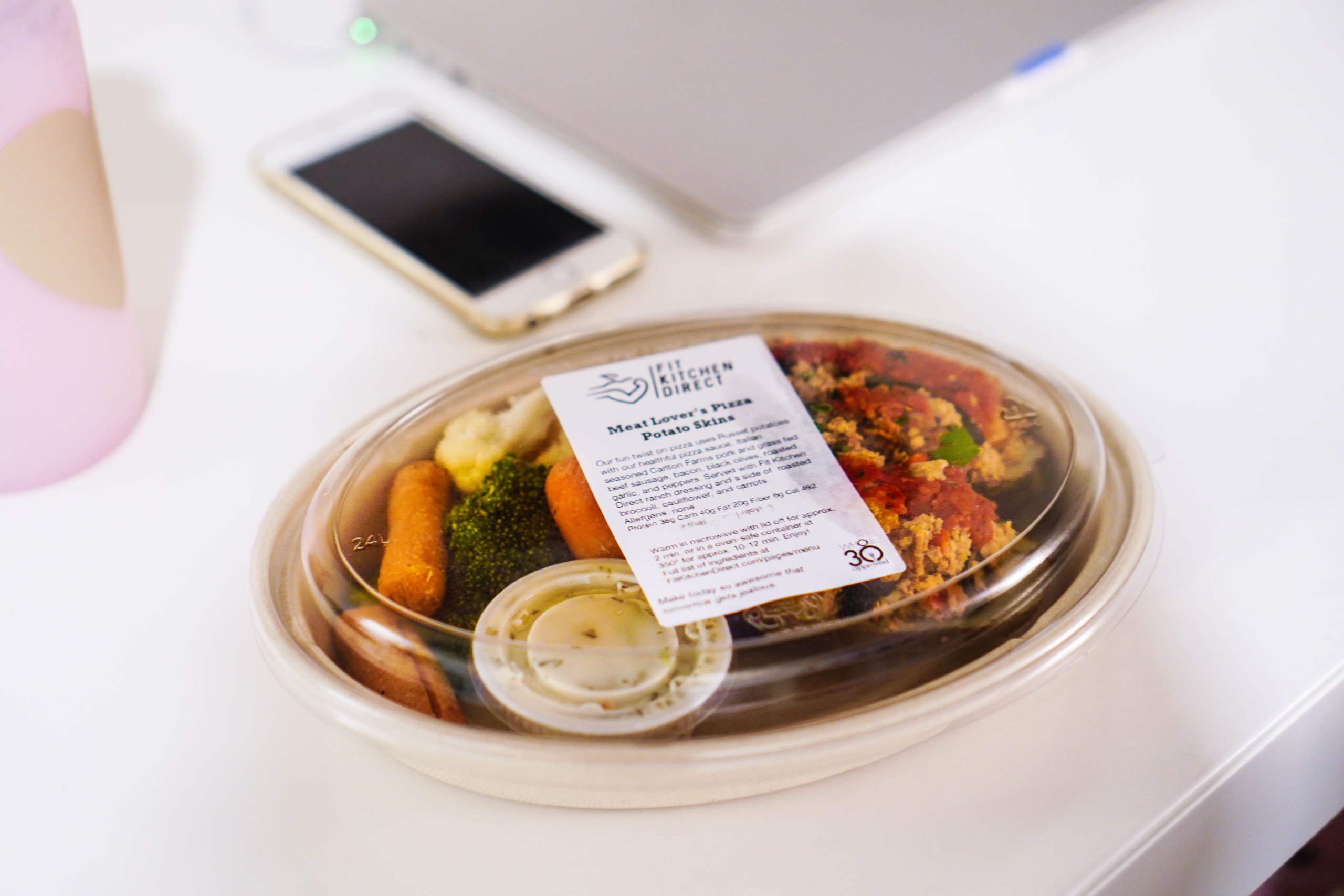
- The Anchor Packaging factory makes polypropylene and PET rigid containers for food packaging and foodservice uses.
- Equipment and infrastructure work has begun, with the new lines scheduled to start in late 2027.
Georgia-Pacific is investing approximately $20 million in its Anchor Packaging manufacturing facility in Paragould, Arkansas, to add two thermoforming lines for rigid food containers. The project was announced on 12 November and includes supporting equipment and infrastructure work within the existing factory. Construction and preparation have begun, while start-up of the new lines is scheduled for late 2027. The investment is intended to expand the company’s Foodservice Solutions capacity, rather than establish a new manufacturing site or introduce a separate packaging material.
The Paragould operation currently employs more than 600 people and makes containers using polypropylene and polyethylene terephthalate, commonly known as PET. Its products are supplied to customers in foodservice and food packaging, including the supermarket, restaurant and convenience sectors. These applications encompass different requirements for container geometry, sealing, presentation and handling. Georgia-Pacific has not identified the precise products or annual output that the additional lines will produce, and a capacity increase measured in units or tonnes has not been provided.
Thermoforming starts with a plastic sheet that is heated until it can be shaped against a mould, then cooled sufficiently to retain the intended container profile. Trimming and handling operations follow before the finished packs are inspected, stacked or otherwise prepared for downstream use. The technology can produce trays, tubs, lids and other rigid forms depending on tooling and material specifications. Adding lines expands the potential number of forming cycles a factory can run, but actual finished-pack throughput depends on cavity count, cycle time, sheet feed, product dimensions and stoppages.
Polypropylene and PET bring different operating characteristics to a food packaging line. Performance depends on the exact polymer grade, sheet construction, thickness and finished container design, as well as the temperatures and uses for which a pack is specified. A container for chilled food can have requirements different from one intended for prepared hot meals, while a design suitable for filling on an automated food line must maintain dimensional consistency at the sealing and packing stages. The company has not disclosed whether the new installation will change the present split between PET and polypropylene products.
Additional thermoforming lines will have to fit the existing production system, from sheet supply and material handling through trimming, quality inspection, stacking and dispatch. A high nominal forming speed creates little useful capacity if upstream sheet feed or downstream pack handling cannot sustain it. Georgia-Pacific includes associated equipment and infrastructure improvements within the $20 million programme, but has not detailed the machines, utility connections, mould systems or scrap processing arrangements. Output, rejects and energy use will become measurable once commissioning and operating trials establish the two lines’ performance with their intended products.
The business says the new capacity will support demand for food containers and allow it to develop custom solutions. Pranay Harsh, vice-president and general manager of Anchor Packaging, has linked the programme to the need for efficient customer operations and food protection. Those outcomes depend on the properties of the finished containers and their suitability for the customer’s packaging process. A thermoformed pack has to fit filling and sealing machinery consistently, preserve product integrity during handling and deliver the particular barrier or mechanical performance called for by the food producer’s specification.
Local reporting puts the potential employment gain at 10 to 20 positions on top of the factory’s existing workforce, although Georgia-Pacific’s main announcement does not set a definitive recruitment schedule. The staffing figure is an expectation rather than an independently confirmed recruitment commitment. Adding two production lines will require operating, maintenance and quality support, but the headcount alone cannot establish how automated the new equipment will be or what shift pattern the company plans. The company’s published milestone remains the intended commissioning of additional capacity in late 2027.
Georgia-Pacific acquired Anchor Packaging in October 2025, adding specialist rigid food containers to a broader foodservice packaging portfolio. Paragould has made blown-film and thermoformed products since 1985 and was expanded to a 365,000 sq ft footprint in 2021; blown-film production was subsequently consolidated at a separate site so the factory could concentrate on thermoforming. The planned investment therefore builds on a longstanding, specialised operation instead of starting a new one. Container manufacturers face continuing requirements for repeatable dimensions and food-contact suitability, but the company has not attributed this project to a particular new regulation or customer contract.
Work on the Paragould expansion is under way, with two lines expected to start in late 2027 after installation, commissioning and qualification. No annual container volume, final product mix or additional equipment specification has been released. Once the lines are operational, the measurable increase will depend on the container formats run, forming cycles, tool configurations and the capacity of the adjoining stages. Georgia-Pacific has committed funding for the machines and associated infrastructure; the eventual rate of saleable food-container output will be determined when the system enters regular production.