IN Brief:
- Reliance Consumer Products has started beverage manufacturing at Orvakal in Kurnool district, Andhra Pradesh.
- State officials report that the factory has ten production lines and was commissioned approximately 12 months after groundbreaking.
- Initial production includes Campa Cola, fruit juices, and packaged water, although the plant's rated bottling capacity has not been disclosed.
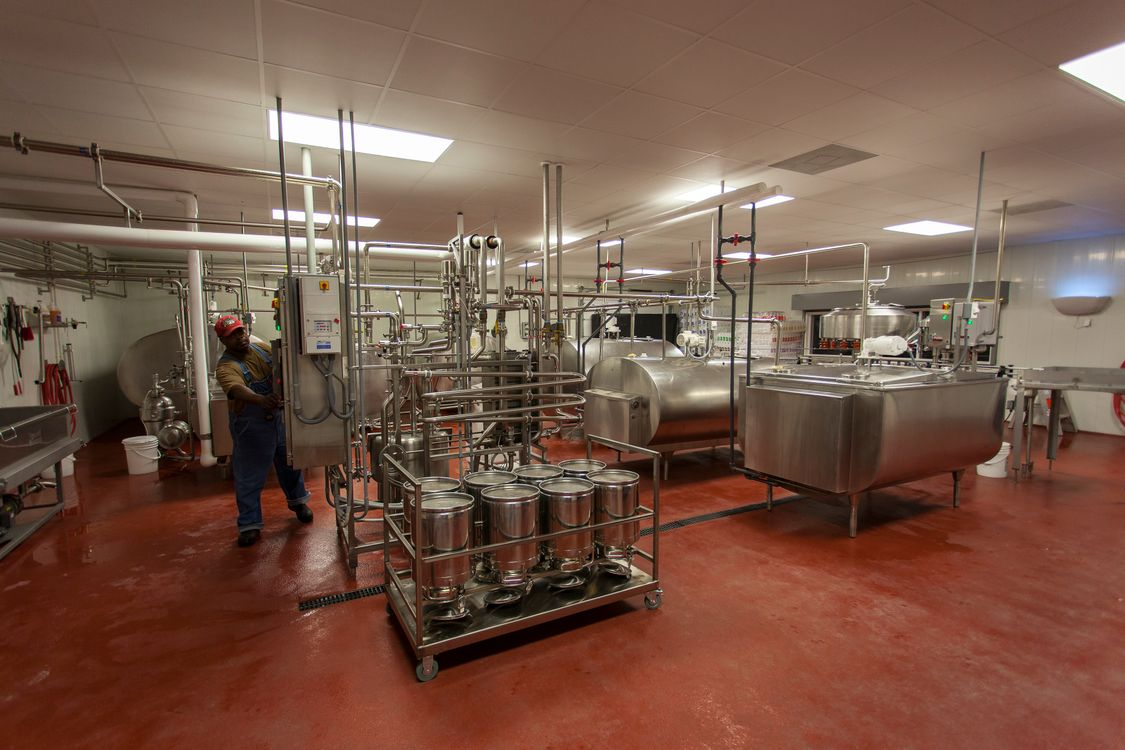
Reliance Consumer Products has commissioned a beverage manufacturing facility at Orvakal in Kurnool district, Andhra Pradesh, bringing production of Campa soft drinks, fruit juices, and packaged drinking water to a new industrial site in southern India. The opening was confirmed by state officials on 21 November 2026, approximately 12 months after construction began.
Andhra Pradesh’s minister for information technology and human resource development, Nara Lokesh, identified the facility as a major addition to the state’s manufacturing sector. He reported that it had ten production lines and described it as Asia’s largest beverage plant.
The scale claim has not been independently verified through published comparisons of manufacturing capacity. Reliance has not disclosed the facility’s rated annual output, individual line speeds, or a breakdown of installed production equipment.
The confirmed development is the start of manufacturing at Orvakal, where Campa-branded carbonated drinks, fruit juices, and packaged water are now being produced. The announcement establishes operational activity but does not demonstrate that every installed line has reached its design throughput.
Construction followed a groundbreaking ceremony in November 2025. The project forms part of Reliance Consumer Products’ expansion in the Indian beverage market, extending the production network supporting Campa and other packaged drinks.
The Orvakal facility is located within a developing industrial area of Kurnool district. The state has been supporting industrial investment in the region, including manufacturing projects intended to create employment and strengthen local supply chains.
Earlier government approvals established the framework for Reliance’s beverage investment. Those proposals concerned carbonated soft drinks, juices, drinking water, and associated products, although the final commissioned capacity and capital expenditure have not been reconciled in the November opening information.
Producing several beverage categories within one facility requires the coordination of manufacturing systems with different operating conditions. Carbonated soft drinks, fruit juices, and packaged drinking water may share utilities and supporting infrastructure, but their preparation, treatment, and filling requirements are not identical.
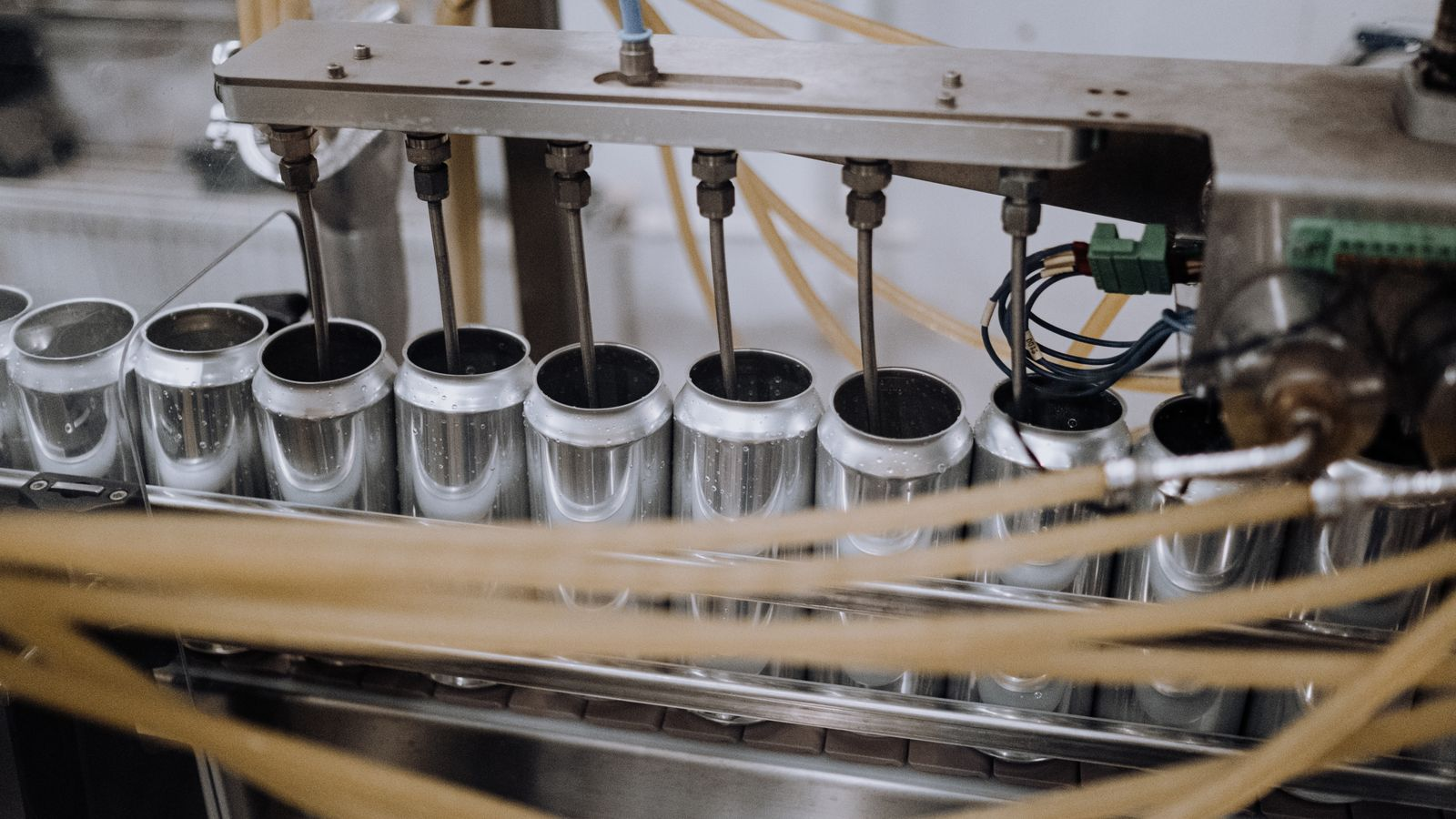
Carbonated beverage production involves preparing the water and drink formulation before introducing carbon dioxide under controlled conditions. The resulting product must be transferred to filling equipment while maintaining the required gas content and avoiding excessive foaming.
Carbon dioxide solubility is influenced by temperature and pressure. Changes in those conditions during handling or filling can affect carbonation retention, creating a need for suitable control of the product and the packaging operation.
The preparation of fruit juice products involves different variables. Composition, acidity, suspended solids, and the characteristics of the incoming ingredients influence the processing methods required to achieve the intended product quality and shelf life.
Depending on the formulation, juice manufacture may involve blending, filtration, heat treatment, and other operations before filling. Reliance has not disclosed the individual processing technologies installed for its juice products at Orvakal.
Packaged drinking water requires controls directed towards the quality of the source water, the effectiveness of treatment, hygienic handling, and the integrity of the completed package. Appropriate treatment stages depend on the water’s composition and the relevant product requirements.
These differences influence factory layout and production scheduling. A site manufacturing several beverage categories must provide suitable arrangements for ingredient handling, equipment cleaning, quality inspection, and product changeovers.
Cleaning procedures are particularly important where processing equipment encounters different formulations. Residual ingredients can affect product quality or introduce contamination risks, while cleaning systems must be compatible with the construction of the equipment and the materials used.
Many beverage factories use cleaning-in-place arrangements for suitable processing equipment. Their effectiveness depends on validated combinations of cleaning chemistry, temperature, concentration, flow, and contact time.
Reliance has not confirmed the detailed cleaning systems, filler specifications, or packaging materials used at Orvakal. The presence of ten reported production lines therefore provides an indication of the installation’s scale without establishing the precise machinery configuration.
The number of lines also cannot be converted directly into annual output. Effective capacity depends on factors including container size, filling speed, operating hours, product mix, maintenance, and the performance of downstream packaging equipment.
A high-speed filler may be constrained by bottle supply, closure application, labelling, inspection, or case packing. Production equipment must operate as a coordinated system, with suitable arrangements for managing interruptions and variations in material flow.
Packaging formats further influence output. Lines handling small containers can have different operating characteristics from systems producing larger bottles, while changes between formats may require adjustments to handling equipment and production settings.
The commissioning process must establish that these operations function together reliably. Machinery can be installed and tested before a factory achieves its planned commercial throughput, with further operational adjustments often required as production volumes increase.
Water treatment, electrical supply, refrigeration, compressed air, and other utilities must also support the installed equipment. Their reliability influences the ability of processing and filling lines to maintain the required production conditions.
Quality control provides another connection between the different manufacturing stages. Ingredient specifications, treatment records, fill levels, closure performance, and packaging integrity must be monitored through procedures appropriate to the product.
Manufacturing records can help trace problems back to particular materials, operating conditions, or production periods. This is especially important where a facility produces several beverage types and package formats.
The new factory also changes Reliance’s production and distribution arrangements in southern India. Locating beverage manufacture closer to regional customers may provide opportunities to reorganise finished-product transport, although the company has not disclosed verified freight savings or the distribution territories that will be served from Orvakal.
The operation will require continuing supplies of ingredients, packaging materials, maintenance components, and other production inputs. Manufacturing schedules must coordinate these deliveries with available equipment and the requirements of downstream customers.
Lokesh has said the project is expected to create approximately 1,200 direct jobs. That figure is an employment projection associated with the facility, rather than a verified count of employees already working across its production operations.
Production of Campa drinks, fruit juices, and packaged water has begun at Orvakal, establishing a new manufacturing location within Reliance’s beverage business. The next operating milestones will be confirmation of sustained production volumes, line specifications, and the extent to which the facility reaches its intended capacity.