IN Brief:
- The Delfzijl plant has moved from equipment commissioning into production, qualification, and operating ramp-up.
- Avantium's facility is designed to produce up to 5,000 tonnes of FDCA annually for PEF manufacture.
- Commercial sales remain planned for late 2026, with full design capacity expected after a 12 to 24-month ramp-up.
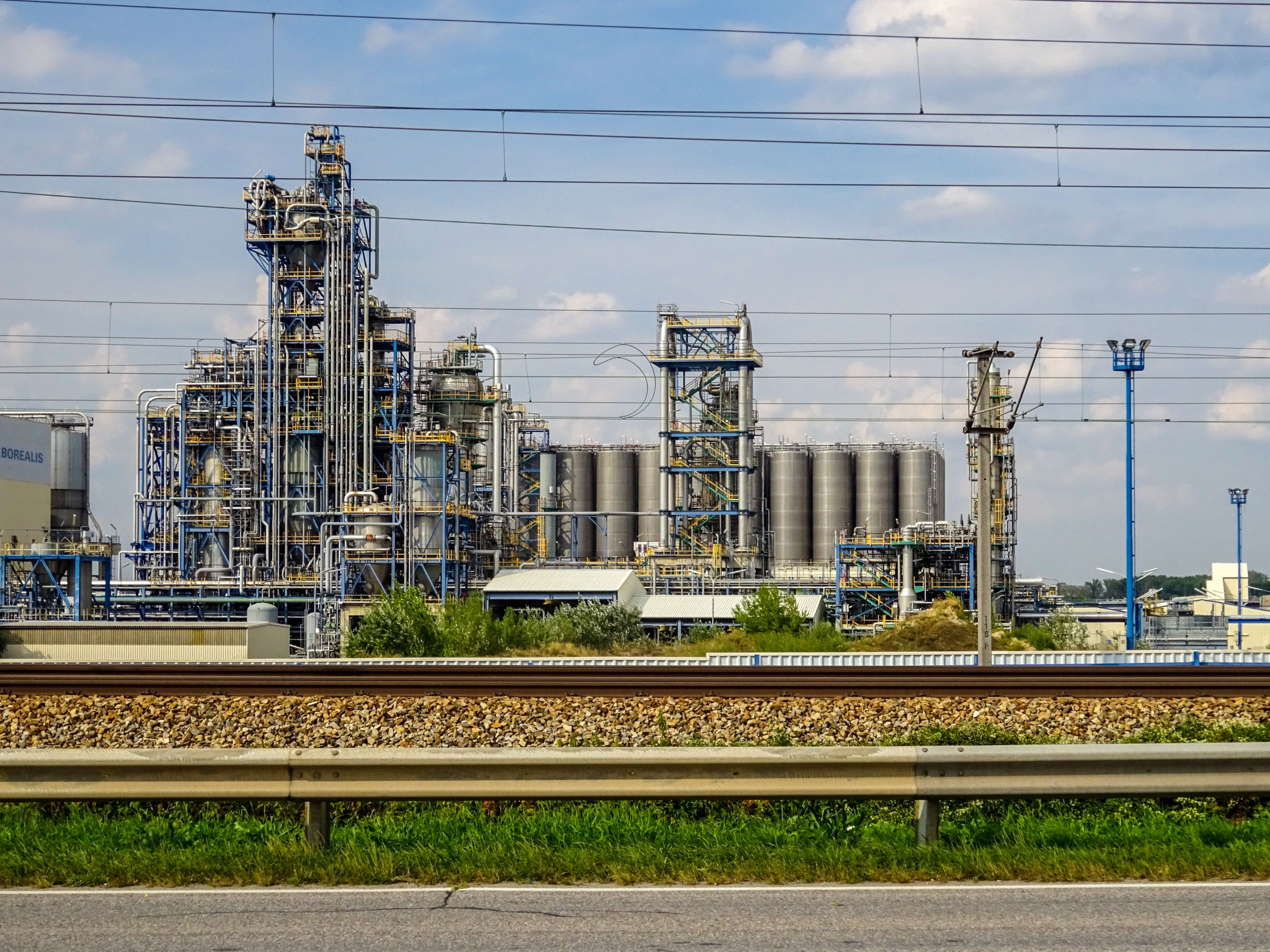
Avantium has produced the first batch of furandicarboxylic acid at its flagship plant in Delfzijl, moving the facility from commissioning into operational start-up and product qualification ahead of planned commercial sales.
The Dutch company said all major process units at the plant have now been commissioned, with the initial FDCA output to be followed by additional batches as operations move towards continuous production. The next phase will concentrate on operating stability, product quality, customer specifications, and the data needed to support commercial deliveries expected towards the end of 2026.
The Delfzijl plant is designed to produce up to 5,000 tonnes of FDCA a year. FDCA is the principal building block used by Avantium to make polyethylene furanoate, or PEF, which it markets under the Releaf brand. The polymer is derived from plant-based sugars through Avantium’s YXY process and is being developed for bottles, films, trays, and other packaging applications.
Producing material at Delfzijl moves Avantium beyond the equipment commissioning programme and into the stage where commercial-scale output can be tested by customers. Converters and brand owners have already carried out development work around barrier performance, recyclability, and processing, but qualification against material from a dedicated commercial plant is a separate step from trials using pilot volumes.
The production milestone follows a series of agreements intended to reserve future PEF capacity. Earlier in September, Klöckner Pentaplast agreed to reserve capacity for food packaging applications, adding to agreements covering bottles and other pack formats. Those arrangements ultimately depend on reliable material supply and repeatable conversion performance rather than reserved capacity alone.
Avantium completed commissioning of the purification section earlier this month, bringing utilities, sugar dehydration, oxidation, and purification through the commissioning programme. Actual FDCA production now begins the operating phase, although the plant remains well short of steady-state output.
Tom van Aken, chief executive officer of Avantium, said the company’s focus now shifts to “optimizing operations, producing additional FDCA, completing qualification activities and preparing for commercial sales”. The company expects production to progress from individual batches towards continuous operation as qualification work develops.
Resin consistency will be central to that process because variations can affect film extrusion, thermoforming, bottle production, sealing, printing, and downstream filling performance. Food packaging users also need evidence that agreed characteristics can be reproduced at scale and maintained through a commercial supply programme.
PEF is being positioned for applications currently dominated by established fossil-derived polymers. Wider use will depend on production economics, converter qualification, regulatory acceptance, recycling routes, and sufficient demand from brand owners to support manufacturing volumes. Delfzijl is modest beside conventional petrochemical polymer assets, but it gives Avantium a commercial reference plant for both direct sales and future technology licensing.
Construction of the facility was completed in October 2024, followed by staged commissioning of utilities and individual process sections. Stable integration between those units is particularly important at a first commercial plant, where the full process has to operate repeatedly rather than demonstrate isolated equipment performance.
Producing FDCA across the complete process chain will now generate operating data covering throughput, product consistency, energy use, maintenance, and purification performance. That information will influence both the economics of the Delfzijl operation and any larger projects developed through licensing arrangements.
The commercial programme also gives packaging customers a clearer route into qualification. Reserved capacity has limited practical value until converters can receive representative material, run it through production equipment, and confirm that finished packs meet agreed mechanical, barrier, and food contact requirements. The first batch does not complete that process, but it supplies the material needed to begin it at commercial scale.
Avantium expects successful start-up and qualification to provide commercial validation of its YXY technology and support discussions with prospective licensing partners. Delfzijl therefore has to perform two roles: supplying early customers while demonstrating that the process can provide a credible basis for larger industrial plants.
Full design capacity is expected to take 12 to 24 months to reach. Between the first batch and that point, the more immediate milestones will be repeat production, customer qualification, continuous operation, and the first commercial deliveries planned for late 2026.