IN Brief:
- Boparan Private Office has acquired Brace’s Bakery after the business faced administration.
- The deal preserves around 250 jobs and keeps the Welsh bakery brand in operation.
- The new owner plans investment across products, manufacturing, customer service, and route to market.
Boparan Private Office has acquired Brace’s Bakery in a rescue deal that secures the future of the Welsh bakery business and preserves around 250 jobs at its Newport manufacturing site.
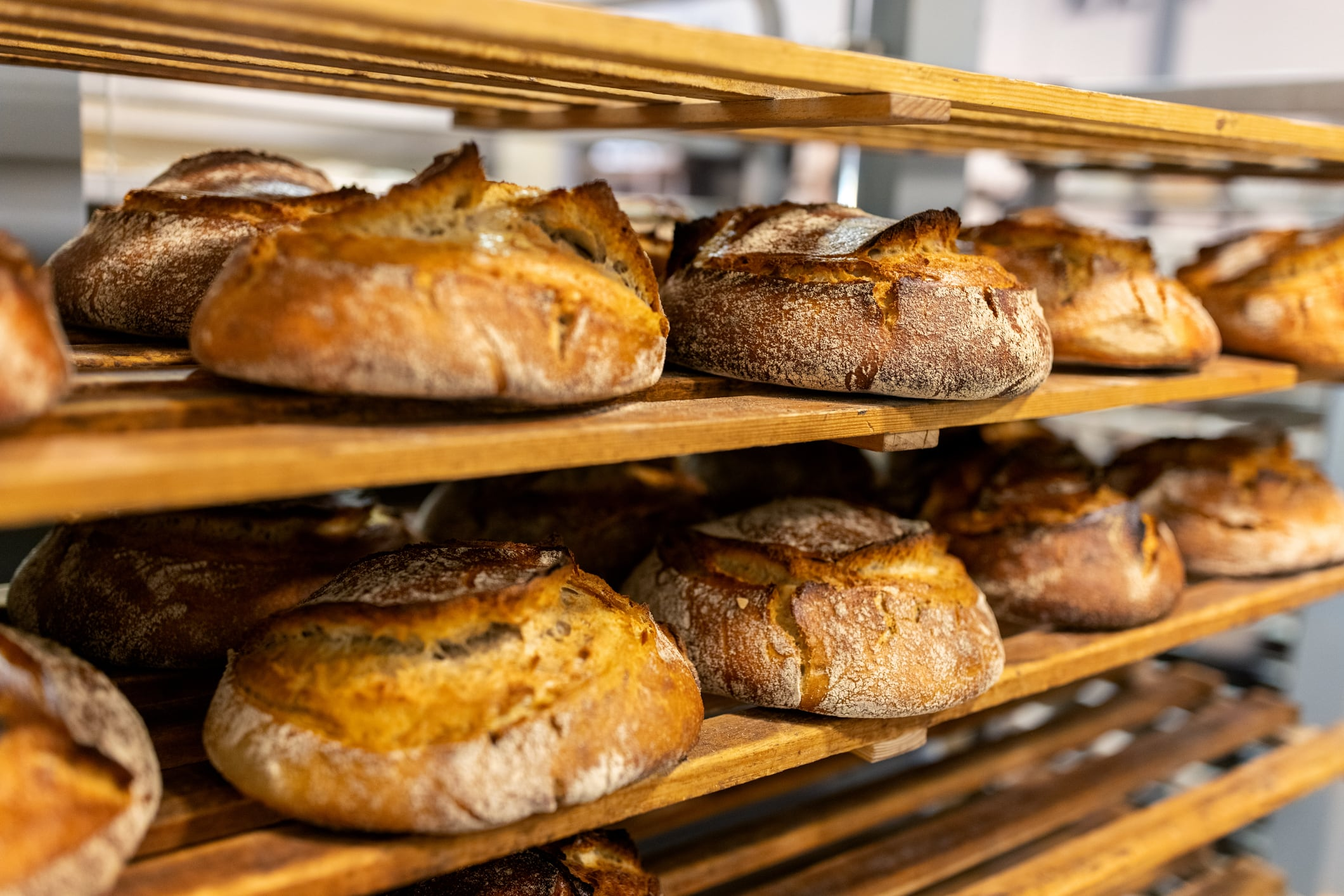
Brace’s Bakery, one of Wales’ best-known bakery brands, had been facing administration and closure before the acquisition was completed. The business has been operating for almost 125 years and supplies bread, rolls, Welsh cakes, and other bakery products across retail and independent channels.
The rescue follows a difficult period for the bakery, including pressure on wages and uncertainty over the future of the Newport site as the business sought a buyer. The deal gives Brace’s a new owner with food manufacturing experience and a stated plan to invest in the bakery’s product range, manufacturing operations, customer service, and route-to-market capability.
Boparan Private Office is the private investment arm associated with Ranjit Singh Boparan, the founder and owner of 2 Sisters Food Group. The business has already invested across food manufacturing, poultry, restaurants, and related assets, giving it operational exposure to high-volume, margin-sensitive food production environments.
For Brace’s, the immediate priority is continuity. Bakery production depends on short lead times, reliable distribution, and consistent customer service. Once a bread or morning goods supplier becomes unstable, retailers and wholesale customers can move quickly to protect availability. Preserving the Newport site and workforce gives the business a chance to retain commercial relationships while the new owner assesses investment needs.
The acquisition also protects manufacturing capacity in a category under sustained pressure. UK bakery manufacturers are dealing with ingredient inflation, energy costs, wage pressure, transport costs, retailer price tension, and changing consumer demand. Bread remains a high-volume category, but that does not make it an easy one. Margins can be thin, promotional pressure is persistent, and production plants require disciplined scheduling, high utilisation, and tight waste control.
Brace’s position as a regional heritage brand gives the business something valuable, though heritage alone cannot solve manufacturing economics. The new ownership will need to decide where investment can generate the strongest return. That may include line efficiency, maintenance, packaging, product development, logistics, customer systems, or a sharper focus on categories where the brand can hold value rather than chase volume at any cost.
The deal fits a wider pattern of food manufacturing consolidation and rescue acquisitions. Businesses with strong brands but strained balance sheets can become attractive where a buyer sees operational synergies, purchasing leverage, distribution routes, or underinvested assets. Saving a business from administration is only the first stage. Stabilisation has to be followed by practical improvements in production cost, supply reliability, product mix, and customer confidence.
Bakery production is especially exposed to raw material variation and process control. Flour quality, yeast performance, proving conditions, oven efficiency, slicing, cooling, wrapping, and shelf-life management all affect whether a product reaches customers consistently. The link between flour data and finished product performance is being pushed further through systems such as KPM Analytics’ baking lab, reflecting the same shift toward tighter measurement and manufacturing discipline across bakery operations.
For employees and suppliers, the acquisition removes the immediate uncertainty around closure, while starting a new phase of operational scrutiny. Suppliers will want clarity on payment, volumes, and future terms. Customers will want assurance that service levels can be maintained. Employees will want to see whether long-term manufacturing stability follows the initial rescue.
The transaction gives Brace’s a route out of crisis, but the commercial test will be whether the business can be modernised without losing the regional identity that made it valuable. In bakery, local trust and production discipline have to work together. A familiar brand can earn shelf space, but only a reliable manufacturing base can keep it there.