IN Brief:
- The 2026 “No. 1 document” sets a grain-and-oil output and resilience agenda.
- Soybeans, oilseeds, and “vegetable basket” supply are tied to yield and quality.
- Livestock capacity management and import diversification feature alongside food safety enforcement.
China’s annual rural policy blueprint — the “No. 1 central document” — has set out a 2026 food-security programme that leans harder on yield improvement, crop quality, and technology deployment than on headline acreage expansion, with soybeans positioned as a strategic lever for both feed and edible-oil supply.
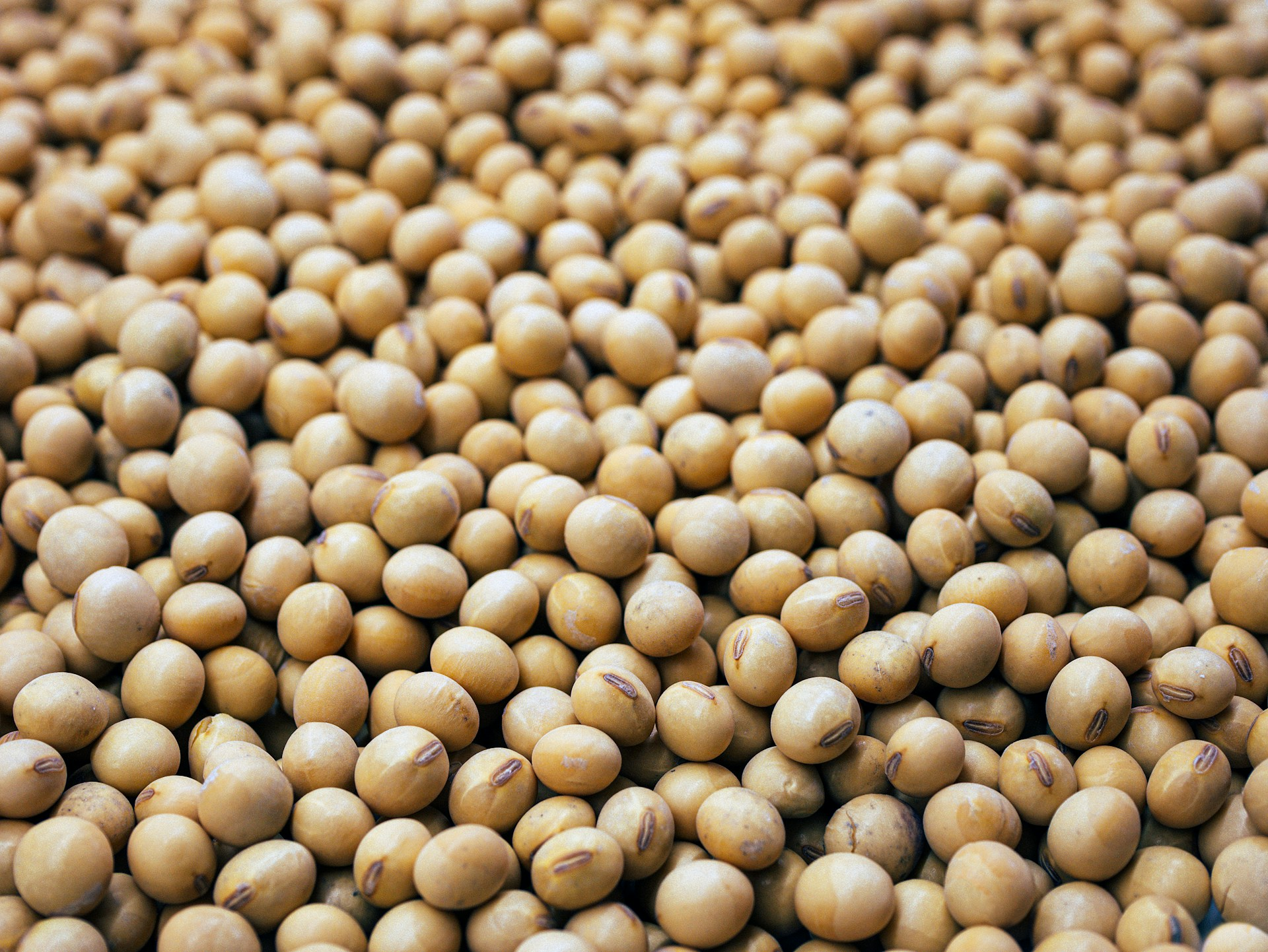
The document targets grain output of around 1.4 trillion jin (about 700 million tonnes) and calls for “large-area” yield improvement across grain and oil crops, using integrated packages that combine land, seed, machinery, and agronomy. Within that, it explicitly calls for consolidating and improving soybean production capacity and strengthening links between production and sales, while expanding the supply base for other oil crops such as rapeseed, peanuts, and camellia oil.
For food manufacturers and ingredient buyers, the emphasis is less about a single crop and more about tightening domestic supply optionality. Soybeans sit at the centre of China’s animal feed and crushing complex, but the policy language frames soy as part of a broader edible-oil and protein strategy, paired with varietal optimisation and quality uplift across staple crops. The same section also stresses improvements in grain circulation and efficiency, and a push towards “premium varieties” and better product quality, reinforcing the direction of travel towards higher-value, specification-driven outputs rather than simply “more hectares.”
Alongside crops, the document’s “vegetable basket” agenda brings the livestock sector into the same stabilisation frame. It calls for strengthened “comprehensive regulation” of hog production capacity, while continuing measures to relieve pressure in beef-cattle and dairy sectors, and promoting supply–demand balance. It also links livestock resilience to upstream inputs, including support for forage production such as silage corn and alfalfa.
The agenda is also overtly industrial in its risk management. It calls for improved prevention and mitigation of agricultural disasters, and it reinforces enforcement against illegal additives and excessive pesticide and veterinary drug residues, signalling continued scrutiny across the farm-to-factory chain.
On trade, the document frames imports as a managed tool rather than a default solution, calling for diversified agricultural imports and better coordination between trade flows and domestic production. For global commodity markets, that is not a near-term import switch on its own, but it does outline a policy posture that prioritises domestic yield lift, quality consistency, and supply-chain resilience — the ingredients that, over time, shape demand for imported feedstocks and oils.