IN Brief:
- The European Commission wants the EU-sourced share of protein from oilseeds and protein crops used as animal feed to rise to 35% by 2035.
- The plan links crop production, livestock resilience, dependency monitoring, and processing infrastructure.
- Ingredient, feed, livestock, and plant protein supply planning will face a longer term strategic shift.
European Commission has published a Protein Action Plan and Livestock Strategy intended to increase domestic protein production, reduce import dependency, and strengthen the resilience of Europe’s agri-food sector.
The plan sets an ambition to raise the share of protein from oilseeds and protein crops produced in the EU and used as animal feed from 25.8% to 35% by 2035. Alongside the crop plan, the livestock strategy covers competitiveness, animal health risks, emissions monitoring, cage-free transition support, and the development of circular technologies.
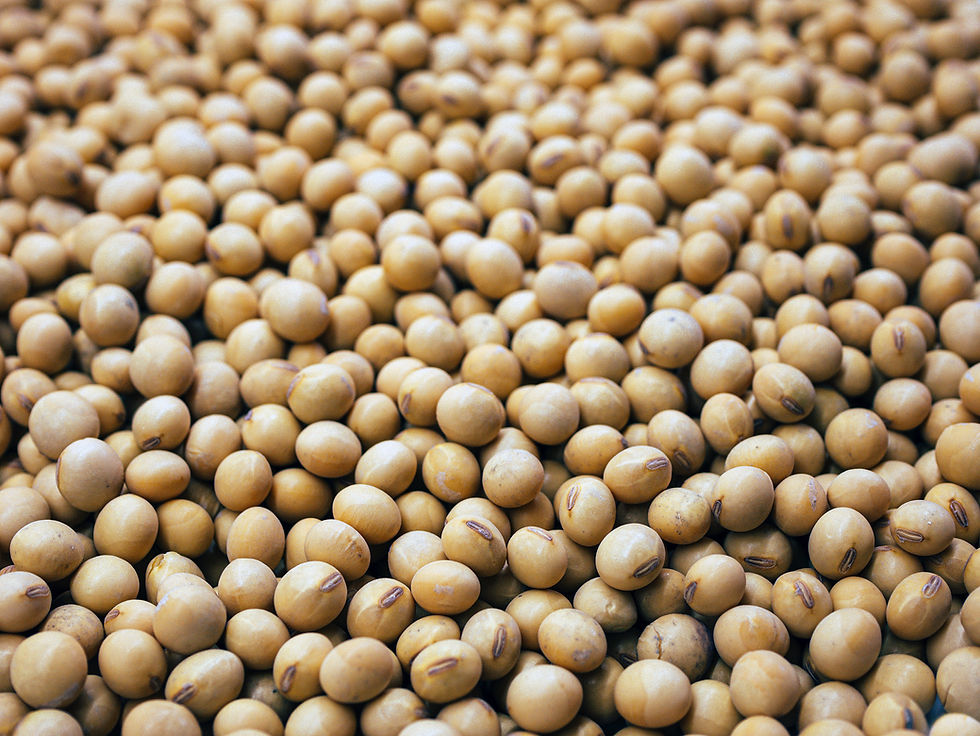
Europe’s protein dependency has become a strategic industrial issue as climate disruption, geopolitical pressure, and concentrated global supply routes continue to expose food and feed systems to volatility. The EU imported 13.4 million tonnes of soya bean and soya meal protein in 2024-25, with Brazil, Argentina, and the US supplying most of that volume.
The Commission wants to support European protein crop production through farmer incentives, stronger value chain collaboration, improved dependency monitoring, innovation, investment, and more diversified diets. Ukraine is also identified as a potential contributor to European plant protein autonomy, with the country producing 13.5 million tonnes of plant based protein annually.
Livestock production remains closely tied to that calculation because feed supply, animal health, and meat and dairy output cannot be separated. Feed price volatility, disease risk, welfare transition costs, heat stress, emissions scrutiny, and market access pressures continue to shape production economics. A larger domestic crop protein base could reduce external exposure, although it will require processing capacity, storage, logistics, and predictable buyer demand to become a functioning industrial system.
Ingredient buyers, meat processors, dairy businesses, feed suppliers, and alternative protein developers all depend on the availability, specification, price, and consistency of protein inputs. A higher EU-grown share could alter procurement patterns, but those crops still need cleaning, milling, fractionation, extrusion, fermentation, and other processing steps before they become usable feed materials or food ingredients.
The same pressure has been visible in livestock production, where recent heatwave conditions exposed animal welfare, feed, water, and productivity risks across European systems. Protein policy now sits within that wider resilience agenda, with food security increasingly treated as an operating structure rather than a political aspiration.
The practical test will be whether farmers and processors are given enough confidence to commit capital. Protein crops can support rotations and reduce import exposure, but growers need stable demand, suitable varieties, workable agronomy, and viable returns. Processors need reliable supply, technical consistency, and price competitiveness before new crop streams can compete with established global protein flows.
Plant based food production adds another layer. Much of the plan focuses on feed materials, while food ingredient businesses need crop and processing routes capable of meeting higher specifications for texture, taste, solubility, protein concentration, allergen control, and functionality. Human food applications often require more demanding quality systems than bulk feed markets, and those requirements influence everything from variety selection to final processing technology.
Europe’s protein transition will only become meaningful if agronomy, aggregation, storage, transport, processing, formulation, and market demand align. A pea, bean, soya, or oilseed crop does not become strategically useful at harvest alone; it becomes useful when it can move through a dependable chain and arrive at the factory as an input with known performance.
The Commission has set a clear direction, but delivery will depend on infrastructure, incentives, and coordination across agriculture and manufacturing. The next decade of protein sourcing is likely to be shaped by domestic crop development, livestock transition, ingredient innovation, and stronger evidence that Europe’s protein base can withstand a less predictable trading environment.