IN Brief:
- Ferrero has recalled selected frozen Nutella Croissant and Nutella Muffin batches across Europe and the UK.
- The recall relates to a possible metal-fragment contamination risk in specific batches only.
- The incident underlines the importance of foreign-body controls across frozen bakery and filled pastry production.
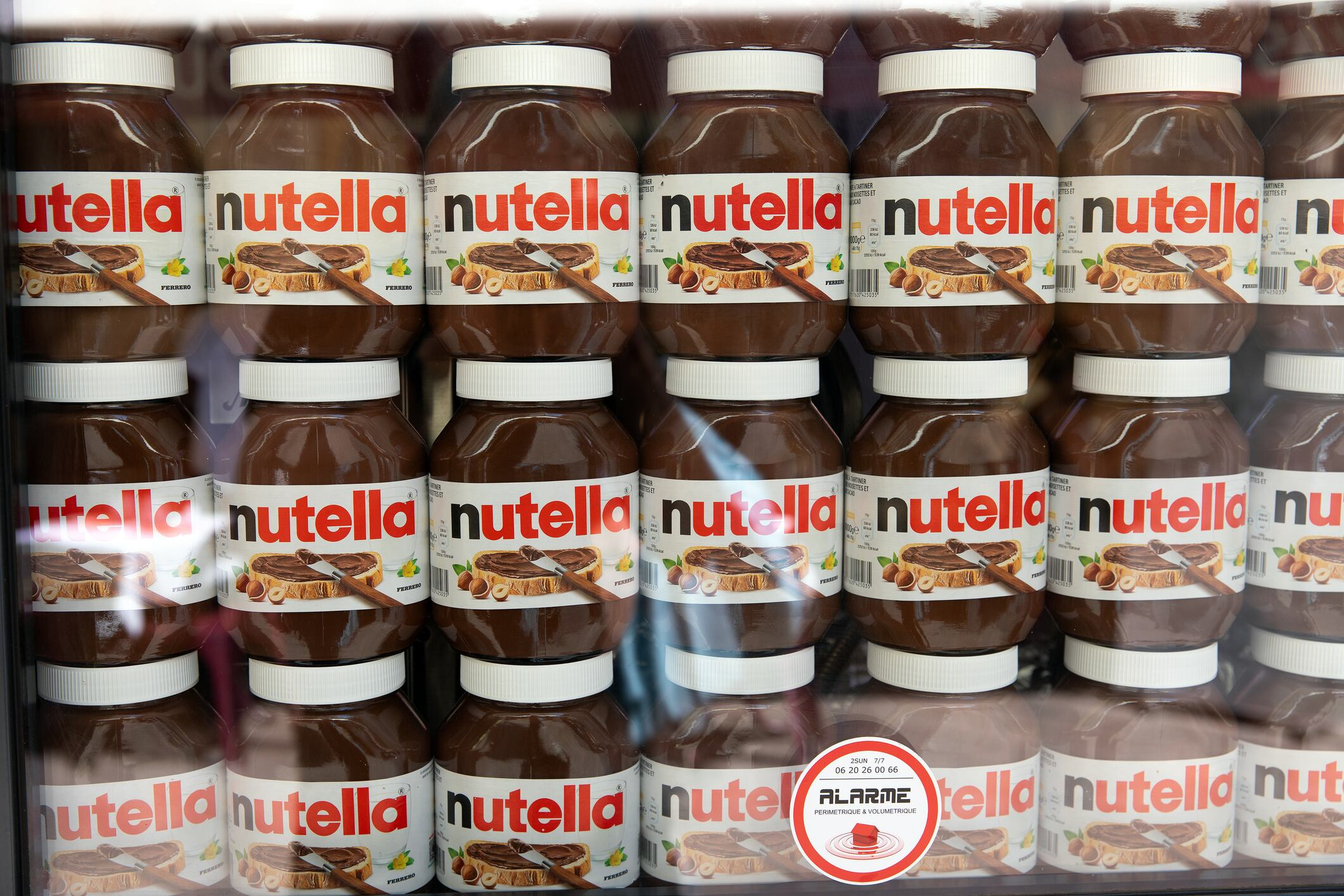
Ferrero has recalled selected frozen bakery products across Europe and the UK after identifying a possible risk that specific batches may contain metal fragments.
The recall covers defined batches of Nutella Croissant and Nutella Muffin products distributed in Belgium, Germany, Hungary, Italy, Romania, Spain, and the United Kingdom. The issue is limited to specific batches, with no other Ferrero products affected.
Foreign-body contamination remains one of the most visible food safety risks in bakery and confectionery manufacturing. A single contamination signal can trigger recall action, retailer notification, customer service pressure, and a detailed production investigation, especially when products have already moved into several national markets.
Filled frozen bakery products create a broad control challenge. Dough preparation, filling systems, depositors, cutting equipment, freezers, conveyors, packaging machinery, and end-of-line handling all need to be assessed when metal contamination is suspected. Equipment wear, damaged components, engineering work, ingredient ingress, or rework can all form part of the investigation.
The formats involved also carry distribution complexity. Frozen croissants and muffins must survive industrial production, freezing, storage, transport, retail handling, and final preparation while maintaining structure, filling stability, and sensory quality. Any recall across frozen categories can remain live for longer because products may be held in customer or consumer freezers well beyond the initial sale period.
Inspection technology is only one part of the control system. Metal detection, X-ray inspection, sieving, magnets, equipment checks, reject verification, and line clearance procedures all need to be integrated with preventive maintenance and production records. Stronger inspection strategies can also reduce waste, a link explored in recent work on contaminant detection and manufacturing losses.
Recall precision depends heavily on traceability. Once affected goods enter multiple markets, batch coding, warehouse records, customer distribution data, and regulatory contact processes determine whether the response can remain narrowly targeted. Poor data can widen the recall and increase avoidable waste, while accurate records help isolate product quickly.
High-profile branded products add a further layer of pressure. A recall involving a recognised brand can attract attention beyond the volume of affected stock, making clear batch identification and consistent communication essential. Products tied to familiar consumer brands also place greater weight on rapid reassurance that unaffected ranges remain safe.
From a factory perspective, metal contamination investigations usually move quickly through machinery condition, recent maintenance, changeovers, damaged sieves, broken blades, worn conveyor parts, mixer integrity, and packaging equipment. Investigators also need to establish whether the material could have entered through ingredients or auxiliary systems, rather than through the main processing line.
Retailer and regulator expectations around foreign-body control continue to rise. Conventional metal detection may be insufficient where product effect, pack format, frozen density variation, or foil-containing materials affect sensitivity. Manufacturers are increasingly combining multiple inspection technologies with stronger preventive maintenance and more detailed analysis of rejects and near misses.
The cost of recall stretches beyond returned product. Downtime, investigation work, waste disposal, replacement stock, retailer penalties, logistics, customer service, and additional verification can all follow. In frozen bakery, where inventory can be distributed widely and stored for extended periods, those costs can build quickly.
The recall places renewed attention on the full process route for filled bakery. Complex products with multiple ingredients and mechanical handling stages leave little room for weak points in inspection, maintenance, or traceability. Once finished goods leave the factory, the strength of those systems determines how contained the response can be.