IN Brief:
- The Chancery Lane Project and WRAP have updated Runa’s Clause for food supply-chain contracts.
- The clause covers food waste measurement, reporting, rejected goods, reduction targets, and continuous improvement.
- Contract-level waste controls are becoming more relevant as manufacturers manage cost, reporting, and operational efficiency.
The Chancery Lane Project and WRAP have updated Runa’s Clause, a contractual tool designed to help food businesses reduce waste across supply chains.
The clause is intended for use in commercial agreements between suppliers and customers, setting out obligations around food waste measurement, reporting, reduction planning, rejected goods, data sharing, and continuous improvement. WRAP will advise partners to incorporate the clause as part of wider food loss and waste reduction work.
By placing waste obligations into supply contracts, the updated clause moves reduction activity closer to procurement, supplier management, and commercial planning. Food waste is often treated as a factory or logistics problem, but ordering practices, rejection processes, quality expectations, forecasting accuracy, and customer communication can all determine whether product is used, redirected, or lost.
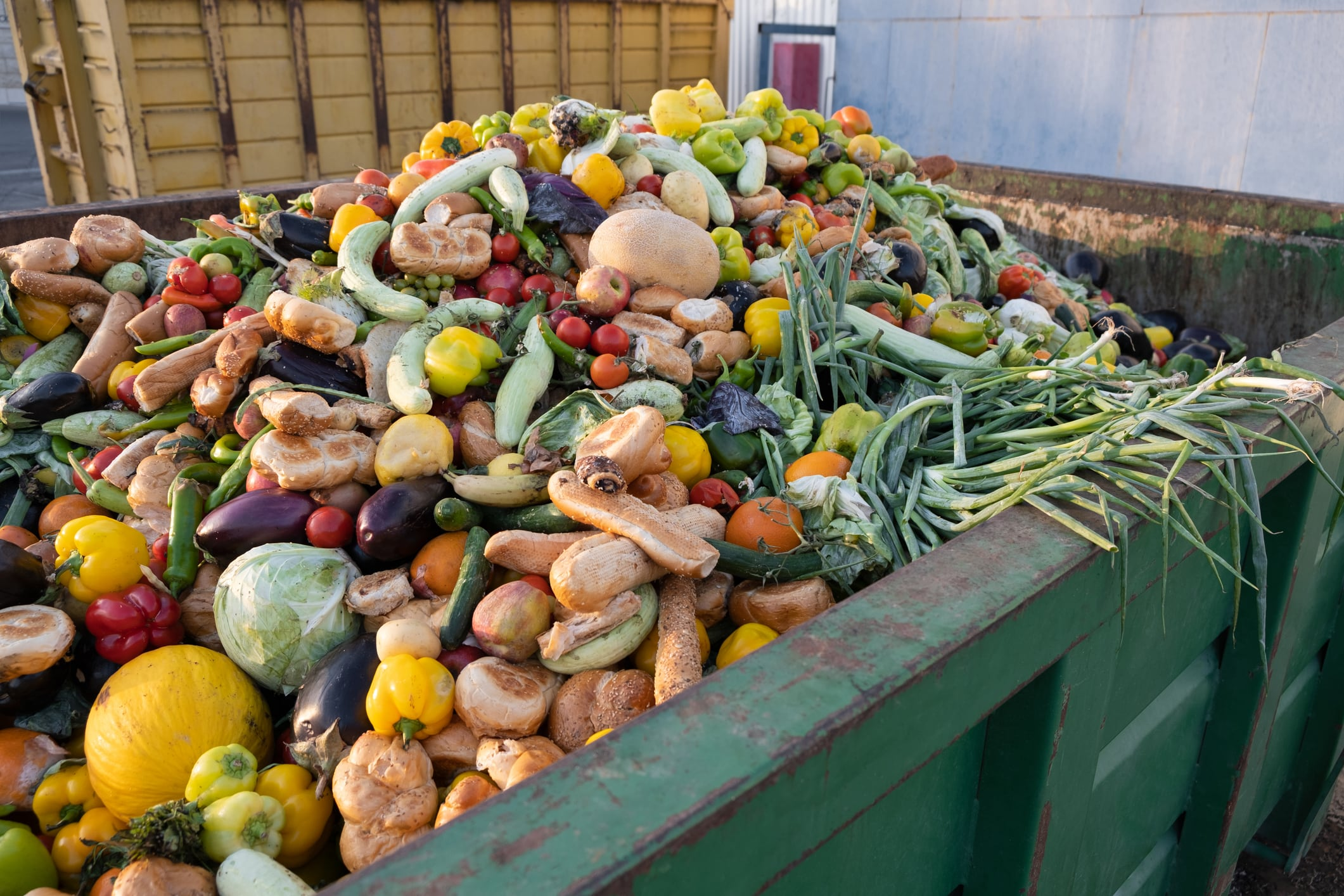
WRAP has put the average cost incurred by a company for every tonne of food waste generated at between £1,638 and more than £4,200 across different sectors. Each tonne of food waste avoided also prevents nearly four tonnes of CO2e from being produced, making waste prevention a cost, carbon, and operational performance issue at the same time.
The updated clause requires parties to measure and record the tonnage of food waste generated in relation to an agreement, describe its extent, and state the cause where known. It also includes record-keeping requirements for reduction activity and associated data, including tonnage and percentage reduction. Suppliers and customers can be required to meet regularly to discuss plans and progress against agreed targets.
Rejected goods are handled directly in the clause. The wording is designed to ensure rejection decisions are made in a timely manner, giving suppliers a better chance of resale, redistribution, or alternative use before product becomes waste. That detail is practical because waste frequently occurs at the junction between customer specification, transport timing, product shelf life, and operational decision-making.
A major UK-based food manufacturer has already received board approval to adopt the clause, with The English Provender Company signing up to waste reduction targets. The business produces sauces, dressings, marinades, condiments, chutneys, and cooking ingredients, placing the clause in a manufacturing environment where ingredient use, batch planning, packaging formats, shelf life, and customer requirements have to be managed together.
The commercial approach complements the factory-level controls explored in Stop the manufacturing food waste cycle, where inspection, checkweighing, metal detection, automated testing, and connected data were examined as tools for reducing false rejects, giveaway, contamination risk, and downtime. Contractual wording will not replace those technologies, but it can shape the conditions under which products are ordered, accepted, rejected, and recovered.
That connection is important because food waste rarely sits in one function. Production lines can reduce waste through tighter filling, fewer false rejects, better detection, cleaner data, and more stable processes. Contracts can reduce waste by changing forecasting behaviour, customer response times, rejection handling, measurement expectations, and redistribution routes.
The clause also reflects broader movement toward data-led food loss reporting. Waste targets are difficult to manage without consistent measurement, and commercial relationships can become strained when one party’s behaviour creates waste for another. Clearer contractual obligations can create earlier conversations around root causes, rather than leaving suppliers to absorb the cost after product has already been rejected or expired.
Adoption will determine the real value. If the clause becomes another reporting burden, its practical effect will be limited. If it drives better forecasting, faster decision-making, fewer avoidable rejections, and shared waste data, it could reduce both cost and emissions across food supply chains.
Food waste prevention is moving upstream. The updated clause places it where commercial terms, production planning, quality expectations, and supply-chain behaviour are set, rather than leaving it to be solved once product is already at risk.