IN Brief:
- Boparan Private Office has committed £500,000 to Little Treats Bakery in Winsford for a new production line.
- The funding will enable chocolate and protein cluster manufacture alongside the site’s established biscuit operation.
- The bakery is recruiting for approximately 50 roles, including production, engineering and operations positions.
Little Treats Bakery, part of the Roberts Bakery business, has secured £500,000 from Boparan Private Office to expand manufacturing at its Winsford site in Cheshire. The investment is intended to support a new production line for chocolate and protein clusters, adding categories to the company’s established biscuit manufacturing operation. Recruitment is under way for approximately 50 production, engineering and operational roles as the bakery prepares to extend its range beyond decorated biscuits. A commissioning date and rated output for the new line have not been set out.
The project follows a serious fire in 2023 that caused substantial damage to the manufacturing site. Boparan Private Office took control of the Roberts Bakery business through an administration rescue in October 2024, and the new funding will help rebuild manufacturing capability and create additional revenue streams. The existing biscuit operation has continued at substantial scale: site director James Rostron puts production at about 100 million baked and decorated biscuits annually. The proposed cluster line will sit alongside that established manufacturing activity.
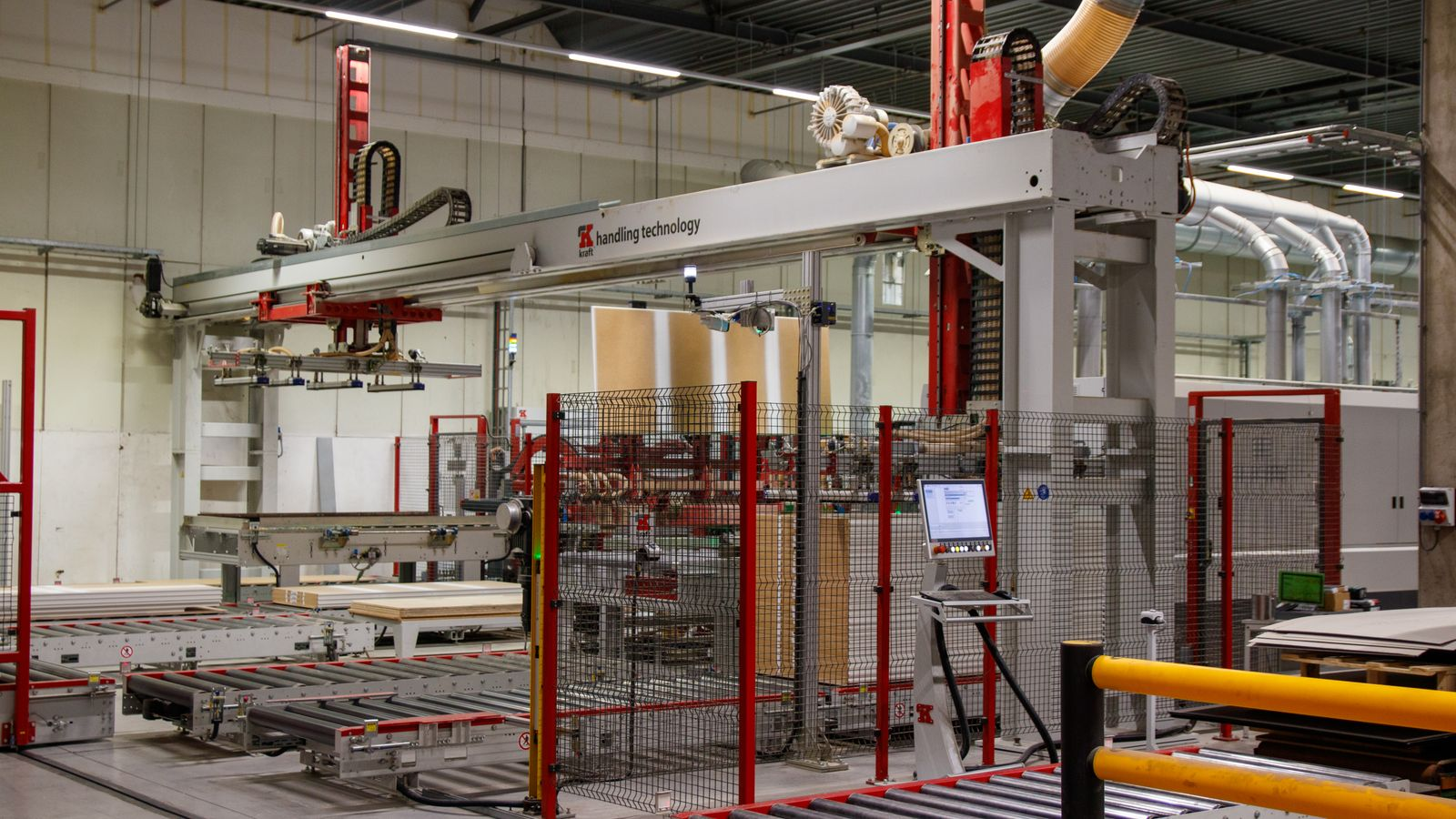
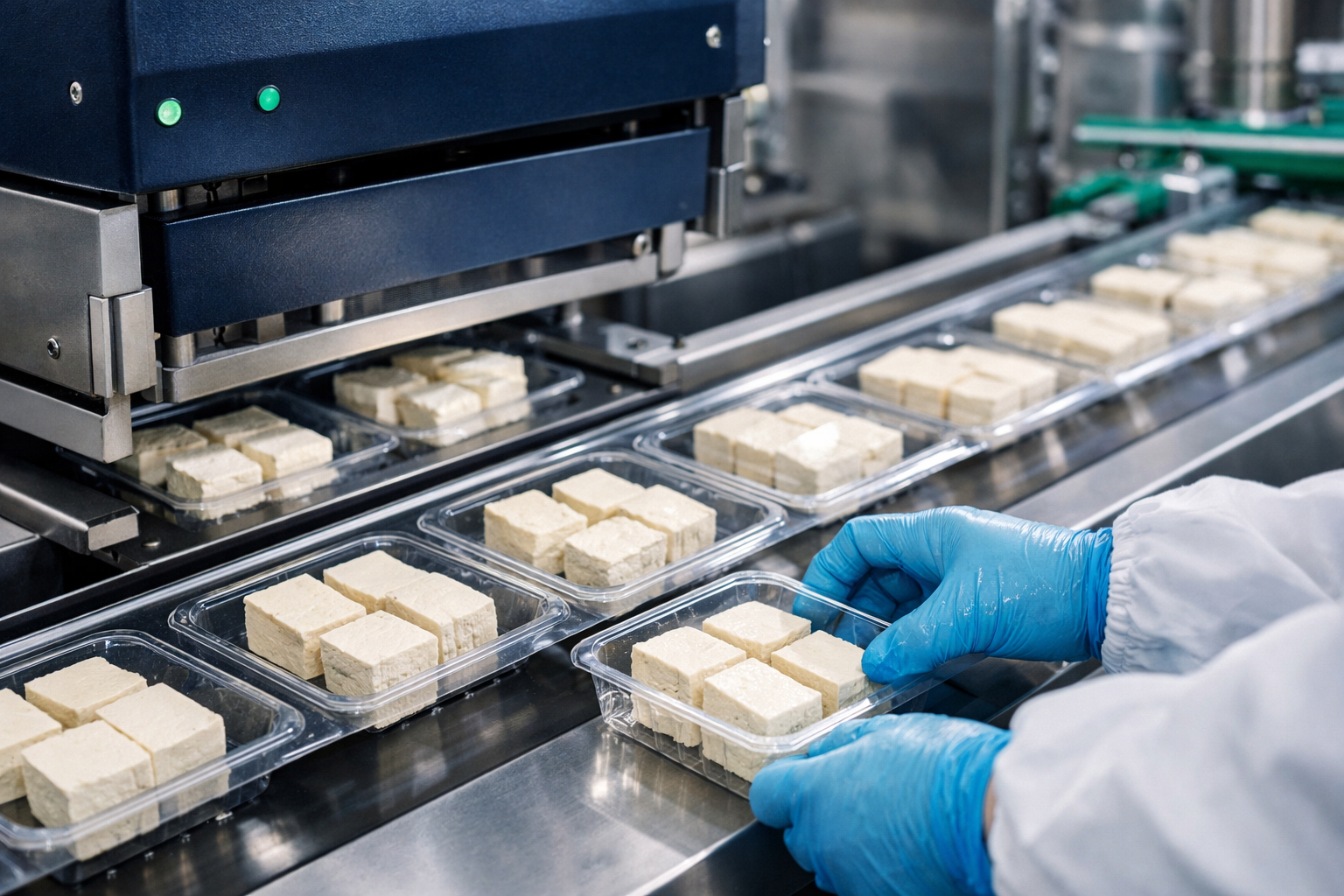
Chocolate and protein clusters require a different production sequence from the decorated biscuits currently made at Winsford. Biscuit manufacture brings together dough preparation, baking, cooling and decoration, whereas cluster products can involve mixing inclusions with a coating or binder before portioning and setting. In cluster manufacture, a consistent ratio between inclusions and coating helps control portion weight and prevents separation during transfer. Temperature management during coating and setting is important to maintaining shape before the product is packed. The line design and individual equipment suppliers have not been disclosed. The investment establishes a new product category and funding for a line, rather than a confirmed list of machines or a measured increase in throughput.
The site will need to incorporate the new recipes into its existing hygiene and allergen controls. Chocolate, protein ingredients and cereal inclusions can require separate handling of allergens, different storage temperatures and cleaning procedures from those used for decorated biscuits. The relevant measures depend on the precise recipes and whether any handling or packaging areas are shared. Introducing a product line consequently involves validating changeovers and labelling as well as installing equipment. The layout and hygiene arrangements for the cluster production area are still unspecified, including how shared facilities will be divided between biscuits and the additional products.
The planned recruitment reflects the operational work involved in bringing additional manufacturing activity into a site that already produces at scale. The business has identified production operatives, engineers and other operational positions among the vacancies, suggesting the expansion will require both line staffing and maintenance support. It has not allocated a number of employees to each function, nor said that every vacancy will arise from the new line. The approximately 50 roles represent planned recruitment rather than a completed increase in staffing.
The manufacturer expects the cluster category to create opportunities with products and customers beyond its existing biscuit portfolio. Adding clusters to the schedule introduces new ingredient requirements and may alter batch sizes, packaging specifications and the frequency of line changeovers. Output and unit costs will be affected by the number of individual products, their run lengths and the handling needed between recipes. No sales target, contract win or timetable for first commercial output has been disclosed. Likewise, the £500,000 is a committed investment figure rather than a breakdown of capital spending on each item of equipment.
Little Treats also participates in the wider group’s food redistribution activity, using surplus goods to support community organisations. The group reports that its businesses provided 7.9 million biscuits to charity during 2025 as part of a broader donation programme involving 162 tonnes of food, equivalent to approximately 901,000 servings. That redistribution programme covers existing group activity, not measured savings from the proposed cluster line. It nonetheless provides an established route for surplus products that remain suitable for donation.
At Winsford, the next milestones are equipment installation, commissioning and the recruitment of people to operate and maintain the expanded factory. The company has not set a date for first cluster production or a rated capacity for the line. Site director James Rostron has described the investment as a means of extending the business beyond its biscuit portfolio following the 2023 fire. The investment will be realised in a new cluster production line and a recruitment programme, while the increase in saleable output will depend on successful commissioning and sustained runs alongside the existing biscuit operation.