IN Brief:
- Mettler Toledo will demonstrate metal detection, x-ray, checkweighing, and data-management technology at PPMA Show.
- The M50 R-Series and X12 x-ray system will make their UK exhibition debuts.
- Connected inspection records can support line control, traceability, audits, and faster investigation of rejects.
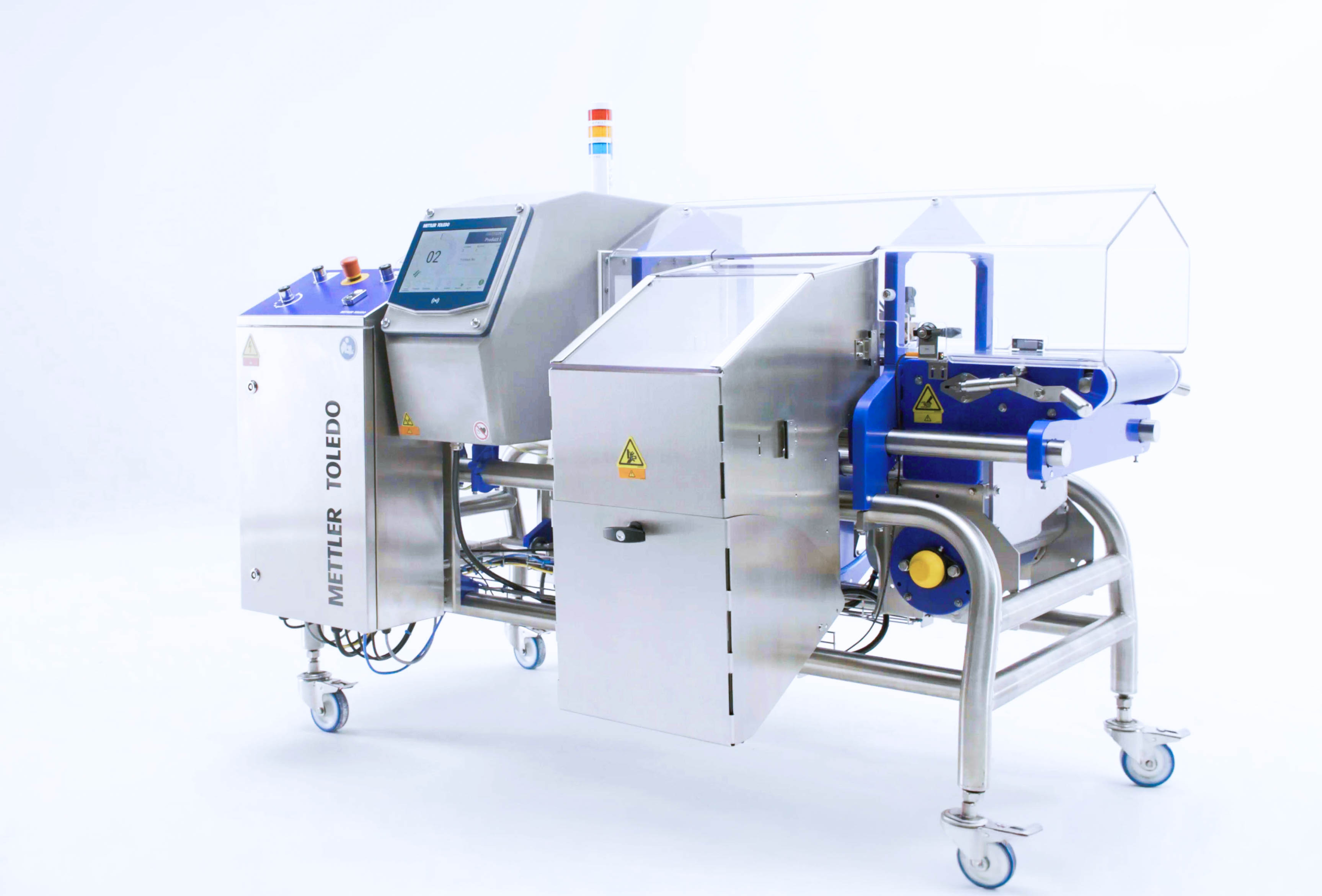
Mettler Toledo will present an integrated product-inspection system at PPMA Show 2026, bringing together metal detection, x-ray inspection, checkweighing, and centralised production data.
The company will exhibit at stand D84 during the event at Birmingham’s NEC from 22 to 24 September. Its “Inspect. Protect. Comply.” display will include the first UK exhibition appearances of the M50 R-Series AdvancedLine metal detector and the X12 x-ray inspection system.
A C23 PlusLine checkweigher and ProdX data-management software will complete the stand, allowing visitors to examine how different inspection duties can operate within a connected line-control and reporting structure.
The M50 R-Series is designed for unpackaged and packaged food in wet, dry, and bulk applications. A 10.1-inch capacitive touchscreen can be operated while gloves are worn or when the screen is wet, supporting use in washdown and high-care environments.
Routine performance checks can be automated through the INFINITY Electronic Test System, reducing manual intervention during scheduled testing. Radio-frequency identification provides individual user access, while multilingual settings, secure connectivity, and electronic records support traceability and controlled changes to machine parameters.
Metal-detection sensitivity varies with product conductivity, moisture, salt, temperature, aperture size, orientation, line speed, and packaging. Wet or saline products can produce a strong product effect, making stable signal processing and validated test routines essential to achieving useful sensitivity without excessive false rejects.
The X12 is a single-lane x-ray system for small and medium packaged products. Its HiGain detector can identify dense contaminants including metal, glass, mineral stone, calcified bone, and some high-density plastics, depending on the product, pack, contaminant size, and position.
X-ray images can also support quality and integrity checks, including missing components, damaged products, incomplete packs, and some weight or shape deviations. Combining several controls within one inspection point can reduce the number of separate stations required on a constrained line.
The C23 PlusLine checkweigher can handle loads up to 80kg, extending weight and completeness control to larger packs, cartons, and end-of-line applications. It can identify underfilled and overfilled units, monitor fill trends, and verify that a case contains the specified quantity before dispatch.
Inspection data moves beyond individual machines
Product-inspection equipment has traditionally operated as a series of discrete controls. A metal detector rejects contamination, a checkweigher removes an off-weight pack, and each machine stores a local record that may later be transcribed or exported.
ProdX connects compatible inspection devices into a central data-management environment, collecting monitoring, test, and reject information in real time. Standardised electronic records can reduce paperwork and provide time-stamped evidence for retailer, certification, and regulatory audits.
The same data can expose process drift. A growing number of underweight packs may indicate filler instability, while repeated metal detections could point to equipment wear or upstream contamination. Missing-component rejects may coincide with a particular feeder, shift, or changeover.
Investment in AI-based food quality control and automated inspection analysis is extending the connection between detection and process adjustment. Mettler Toledo’s system begins with established inspection technologies, then brings their records together for wider analysis.
Reliable data does not remove the need for validated controls. Sites must still define critical limits, test pieces, challenge frequencies, reject checks, escalation procedures, and corrective actions for each product and hazard.
Automated testing can improve repeatability, although manufacturers remain responsible for demonstrating that the detector, conveyor, reject device, alarm, and record system operate correctly as a complete control.
False rejects require equal attention because an inspection setting that cannot accommodate normal product variation creates waste and undermines operator confidence. Sensitivity must be high enough to control the identified hazard without treating acceptable changes in moisture, density, temperature, or presentation as failures.
Data integrity will become more important as records move away from paper. User permissions, configuration changes, time synchronisation, backups, audit trails, and cybersecurity all need to be controlled if electronic evidence is expected to withstand a customer or regulatory review.
Live demonstrations at PPMA will allow manufacturers to test products and packaging under more realistic conditions. Detector and x-ray performance cannot be assessed reliably from a specification sheet because product effect, density, orientation, and packaging can alter the achievable result.
Checkweighing trials are similarly influenced by conveyor stability, vibration, air movement, pack spacing, centre of gravity, and line speed. A system suitable for one pack may require different handling and weighing arrangements for another.
Connecting the equipment creates an opportunity to review those variables across production rather than only after an audit or complaint. Reject trends, test performance, and downtime can be examined together, supporting earlier intervention and more targeted maintenance.
Mettler Toledo’s PPMA display reflects a move from standalone detection toward coordinated inspection and evidence. The individual machines control different hazards and quality failures, while their combined data provides a broader account of line performance and due diligence.