IN Brief:
- Newon Food has invested €3.5m in its Lithuanian production site, taking annual protein bar capacity to 50 million units.
- The expansion adds capability for softer textures, layered formats, no-added-sugar fillings, and protein-fortified toppings.
- Protein snack production is becoming more technically demanding as functional nutrition moves further into mainstream retail.
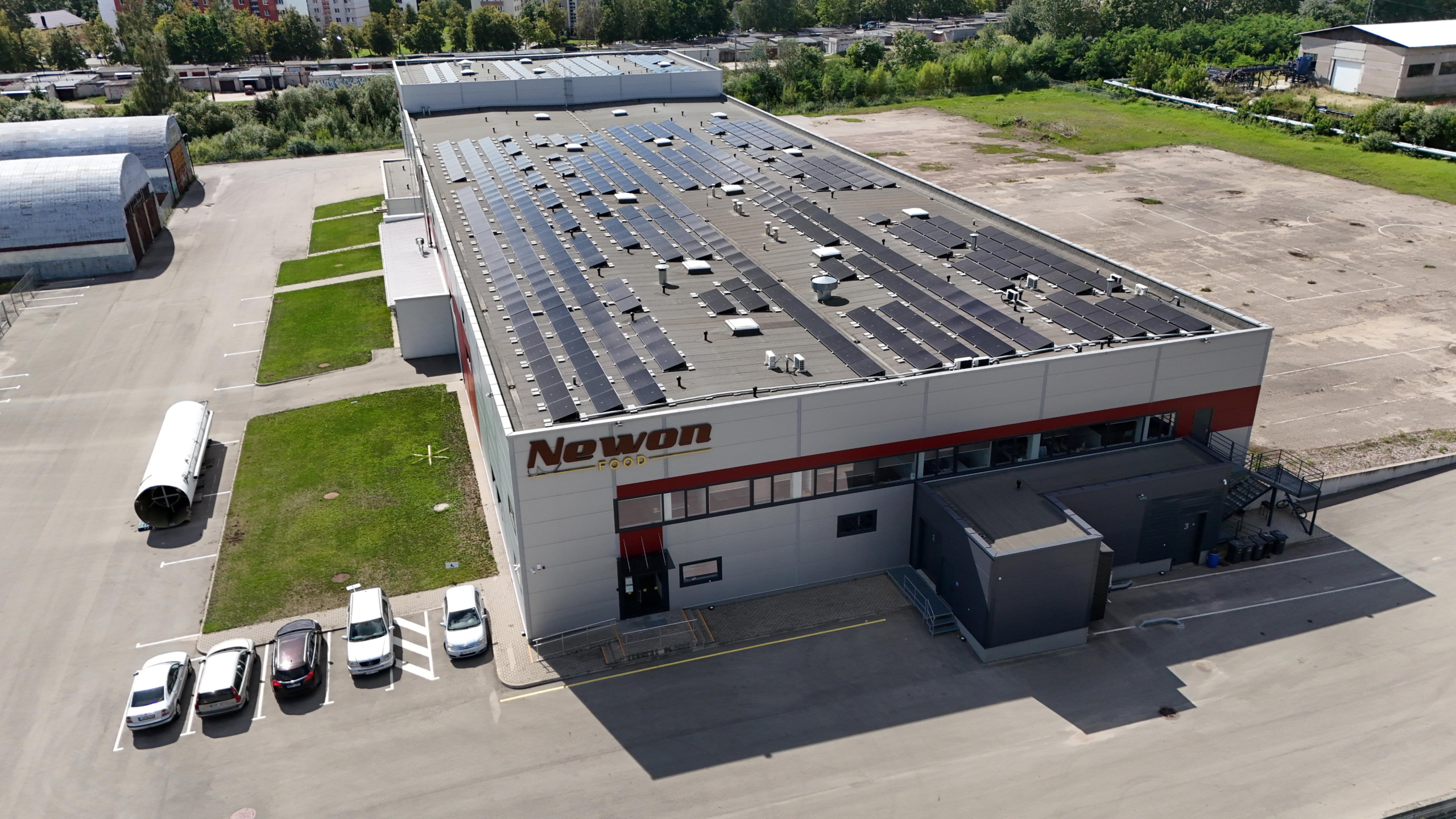
Newon Food has invested €3.5m in its Lithuanian manufacturing facility, expanding protein bar production capacity and adding new capability for more complex snack formats.
The investment increases annual output to 50 million bars and supports production of softer textures, airy bar structures, no-added-sugar layers, and crispy protein-fortified toppings. It strengthens Newon’s position in European private-label and contract manufacturing for brands looking to scale high-protein snack ranges without building dedicated bar facilities of their own.
Newon operates as a private-label protein bar manufacturer, covering product development, production, packaging, and logistics support. Its platform includes automated production, climate-controlled manufacturing, gluten-free operations, in-house recipe development, and food certification for international supply.
Protein bars have moved well beyond dense slabbed formats aimed mainly at sports-nutrition users. Retail ranges now lean heavily into softer eating quality, indulgent layers, fibre fortification, reduced sugar, and hybrid snack positioning. That shift has made the category more attractive commercially, but also more difficult to manufacture reliably at scale.
Softer bars require careful control of moisture, fat systems, protein selection, binding, and cooling. Layered formats add further complexity because each component must remain stable through forming, cutting, coating, wrapping, storage, and transport. Crisp inclusions and protein toppings introduce their own handling challenges, particularly where manufacturers are trying to protect texture while maintaining clean bar geometry on high-speed packing lines.
Capacity is only useful in this part of the market when it comes with formulation and process flexibility. A high-protein bar that performs well in the lab can behave very differently once it is run through a commercial line, where dough rheology, cooling time, blade behaviour, coating viscosity, pack sealing, and storage stability all have to align. Recipe changes made to reduce sugar or improve mouthfeel can affect machinability, shelf life, sweetness, and texture retention.
Whey and dairy protein markets are also placing more pressure on formulation strategy. Rising whey costs have already pushed protein manufacturers to review blend structures, protein sources, and margin exposure, particularly in products that rely heavily on premium dairy-derived inputs. Bar producers with stronger development capability are better placed to manage those shifts without losing the texture and nutritional profile that retailers expect.
Co-manufacturing is increasingly important because product launches are becoming more fragmented. Brands want multiple flavours, formats, claim sets, and pack sizes, often with relatively short development cycles. Specialist bar plants can spread the investment in equipment, technical teams, and validation across several customers, while brand owners retain speed to market and category flexibility.
Private label is also becoming more ambitious. Retailers are no longer treating protein bars as niche sports products; they are using them across breakfast, convenience, snacking, weight management, and everyday nutrition. That broadening role increases pressure on manufacturers to deliver mainstream eating quality with functional credentials, rather than relying on protein content alone.
Newon’s expansion gives European brands additional production capacity at a point where the category is competing on texture, claims, price, and reliability. The strongest manufacturers in protein snacks will not be those that simply add more line speed, but those that can keep complex recipes stable, attractive, and commercially viable through repeated high-volume runs.