IN Brief:
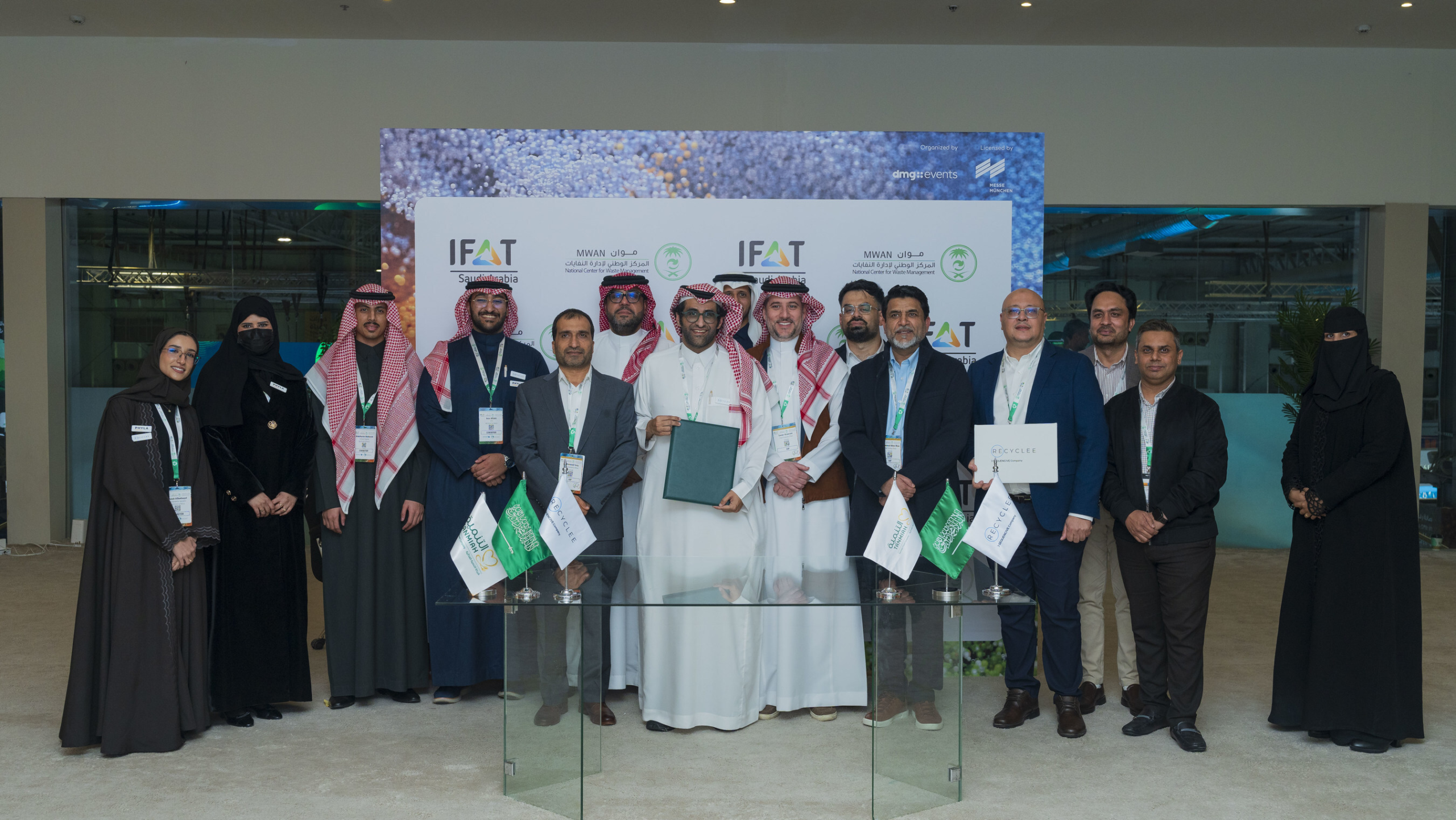
- Tanmiah signed MoUs with PHYLA and RECYCLEE at IFAT Saudi Arabia.
- Work includes black soldier fly larvae R&D to convert organic waste into animal feed.
- A waste-tracking platform is intended to quantify and monetise byproducts across operations.
Tanmiah Food Company has signed two memorandums of understanding with PHYLA and RECYCLEE, positioning alternative feed inputs and waste data as supply-chain tools rather than side projects. The agreements were signed during IFAT Saudi Arabia, with Tanmiah tying the work to a “waste-to-value” roadmap that spans biological conversion and digital traceability.
Under the MoU with PHYLA, Tanmiah will lead R&D into using black soldier fly larvae to bio-convert organic waste into high-protein animal feed. For a vertically integrated poultry producer, feed is the largest cost and risk line item, and any credible pathway to localise protein inputs is strategically material. Tanmiah has also flagged the work as complementary to its moringa-based feed initiatives, suggesting a wider attempt to diversify away from conventional imported ingredients.
“At Tanmiah, our commitment to sustainability goes beyond reducing impact; it is focused on creating a resilient, innovative food system for the future,” said Zulfiqar Hamadani, CEO of Tanmiah Food Company. “Through our partnerships with RECYCLEE and PHYLA, we are leveraging technology and biological innovation to improve resource efficiency, strengthen food security, and support national priorities with practical, scalable solutions.”
The second MoU, with RECYCLEE, focuses on digitising Tanmiah’s waste management systems through a tracking platform intended to monitor, manage, and monetise industrial byproducts. For food processors, waste data often exists as compliance paperwork rather than an operational input; Tanmiah’s stated intent is to treat byproducts as measurable streams that can be separated, valued, and routed more efficiently.
Tanmiah’s operating footprint gives the project scale potential if pilots graduate into procurement and production routines. The company says it operates 149 farms, seven hatcheries, four feed mills, and four primary processing plants, alongside further processing capacity via joint ventures. Any shift in feed formulation, or improved visibility over byproduct flows, would land directly in production economics, not just ESG reporting.
The immediate deliverables are R&D and platform deployment rather than guaranteed volumes. The industrial test will be whether Tanmiah can translate organic waste availability, larvae conversion efficiency, and feed performance into repeatable specifications that fit mill operations, bird performance targets, and regulatory acceptance.