IN Brief:
- Testo Saveris will exhibit at EuroShop 2026, marking the event’s 60th anniversary in Düsseldorf.
- The company will demonstrate its testo Saveris Food platform for automated HACCP monitoring in food retail.
- Focus areas include real-time temperature tracking, configurable workflows, and reduced manual documentation.
Testo Saveris will use EuroShop 2026 to push its food safety proposition for retailers wrestling with proving chilled and frozen goods stayed within limits, all day, every day. The company will exhibit in Düsseldorf from 22–26 February, positioning its showcase (Hall 5, stand B27) in the show’s refrigeration and energy management orbit.
EuroShop’s organisers say the 60th-anniversary edition will draw more than 80,000 trade visitors, alongside around 1,900 exhibitors, underlining the event’s continued role as a bellwether for what retail actually buys rather than what it applauds on stage.
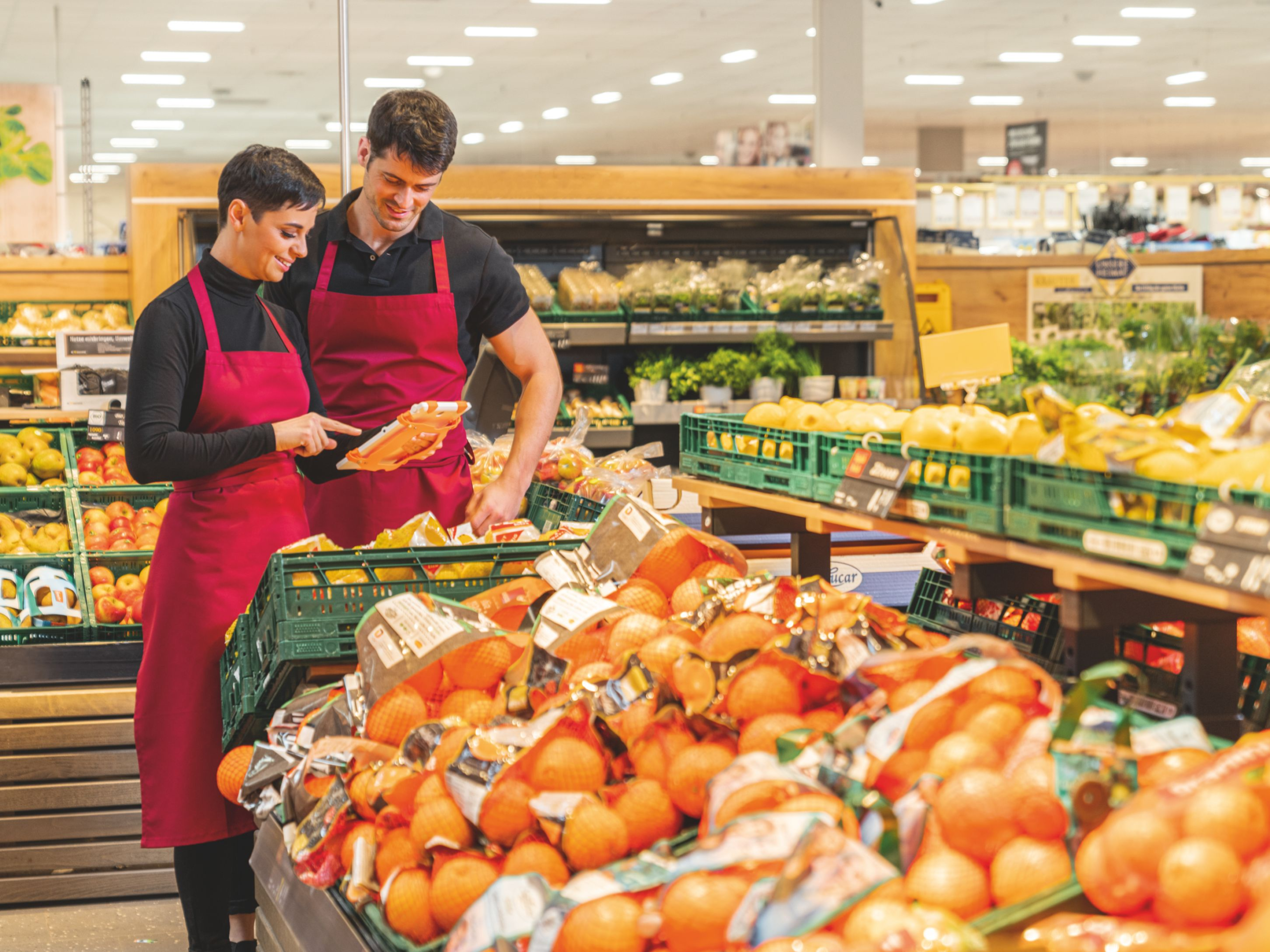
On the stand, the company plans live demonstrations of the cloud-based testo Saveris Food platform, which combines measurement hardware with software to automate documentation of HACCP-relevant data. The system is designed to record temperatures and other defined parameters across goods-in, warehousing, and the store estate, including refrigeration cabinets and freezers, with checklists and workflows configurable by site and responsibility.
The technology mix is split between connected handheld instruments and continuous monitoring via wireless data loggers, with results transferred directly into the software rather than written onto clipboards that later go missing. “With testo Saveris Food, retailers can structure and standardise their quality processes,” said Maximilian Weiß, Head of Global Retail at Testo Saveris. “Product temperatures are checked with connected instruments that transfer the results directly into the software, while wireless dataloggers provide continuous monitoring of storage conditions. If predefined limit values are exceeded, alarms are triggered so that staff can respond quickly.
Interchangeable probes on the handheld devices are positioned as a practical concession to real retail tasks — core and surface checks, for example, and frying oil assessment — without having to run multiple instruments. Testo Saveris says alarms, checks, workflows, and corrective actions can be set by the retailer to match local processes, while centralised data management reduces manual recording and paper-based documentation.
EU food hygiene rules require food business operators to put in place, implement, and maintain procedures based on HACCP principles, which in practice means keeping controls, records, and corrective actions tidy enough to withstand scrutiny. In that context, automated monitoring is a helpful way to stop temperature logging becoming a second job.
Weiß is also scheduled to speak in the EuroShop seminar programme on Sunday 22 February 2026 at 15:20, presenting on temperature monitoring in food retail and the use of digital approaches to support faster HACCP compliance while reducing food waste with minimal disruption to store operations.