IN Brief:
- The US is lifting 2026 in-quota access for Argentine lean beef trimmings by 80,000 metric tons.
- The change targets lean inputs used by grinders to standardise fat content in ground beef.
- The quota is split into quarterly tranches, with USDA monitoring supply conditions.
A White House proclamation has temporarily increased the 2026 tariff-rate quota for lean beef trimmings from Argentina by 80,000 metric tons, allocating the additional volume entirely to Argentine shipments. The measure is structured as four first-come, first-served tranches of 20,000 metric tons each, with the first opening on 13 February and running through the end of March, followed by standard quarter windows through 31 December.
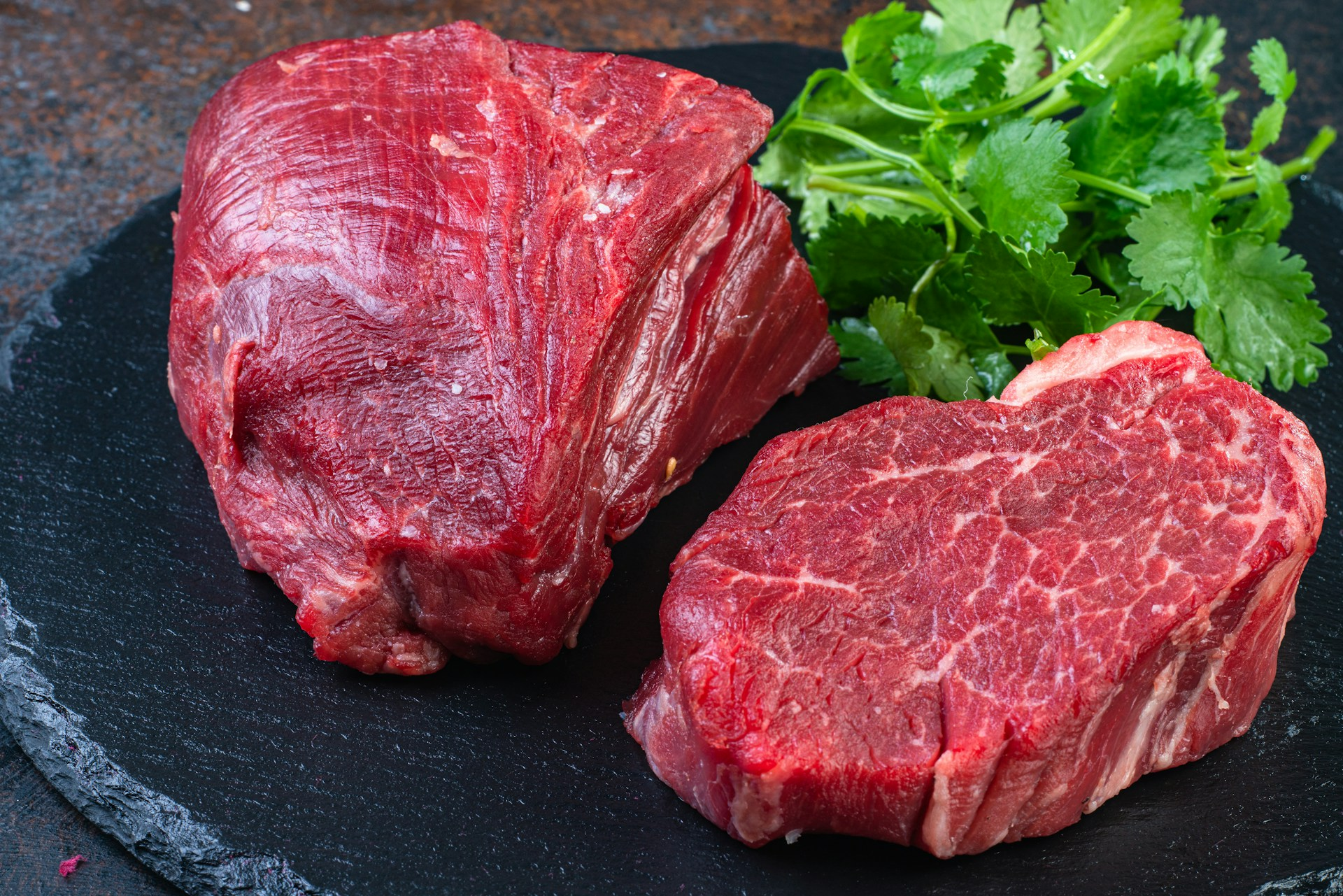
For food processors, the focus on lean trimmings is the point. Lean imported material is typically blended with higher-fat domestic trimmings to hit consistent specifications for ground beef sold at retail and into food service. When domestic lean supply tightens, grinders are forced into less flexible formulations, or higher-cost procurement, which then works its way through contract pricing for burgers, meatballs, taco fillings, and prepared foods.
The administration is framing the move as a response to record ground beef prices and reduced cattle availability, with the national herd at 86.2 million head as of January 2026. December 2025 ground beef prices averaged $6.69 per pound, according to the White House, with supply pressure linked to drought-driven herd liquidation and disruptions to regional cattle flows.
Producer groups, meanwhile, are pushing back on both economics and risk. Industry opposition has centred on the impact of additional imported lean material on cattle price signals at a point when domestic producers are trying to rebuild herds, alongside longstanding concerns over animal health controls and the broader precedent of using import access as a retail price lever.
For processors and retailers, the practical question is how quickly additional in-quota volume translates into delivered product, and whether it changes the negotiating balance for 2026 ground beef programmes. The quota design is explicit about timing, but the wider market is still anchored by herd size, domestic slaughter dynamics, and competition for lean material across burger chains, further processors, and private-label retail.