IN Brief:
- M&S has restructured its food leadership team with new senior commercial appointments.
- John Farrell joins as commercial director, ambient, while Jeni Blackett becomes commercial director, fish.
- Head of supply chain Susan Massicot is also moving into the food leadership team.
Marks & Spencer has reshaped its food leadership team, appointing John Farrell as commercial director, ambient, and promoting Jeni Blackett to commercial director, fish.
The appointments replace the previous chief commercial officer structure with more direct leadership around key food categories. Farrell joins with senior experience from Amazon and Tesco, while Blackett moves from her role as fresh foods trading director after joining M&S in 2022.
Susan Massicot, head of supply chain, is also moving into the M&S food leadership team. Farrell, Blackett, and Massicot will report to food managing director Alex Freudmann as the retailer continues to strengthen its food operation.
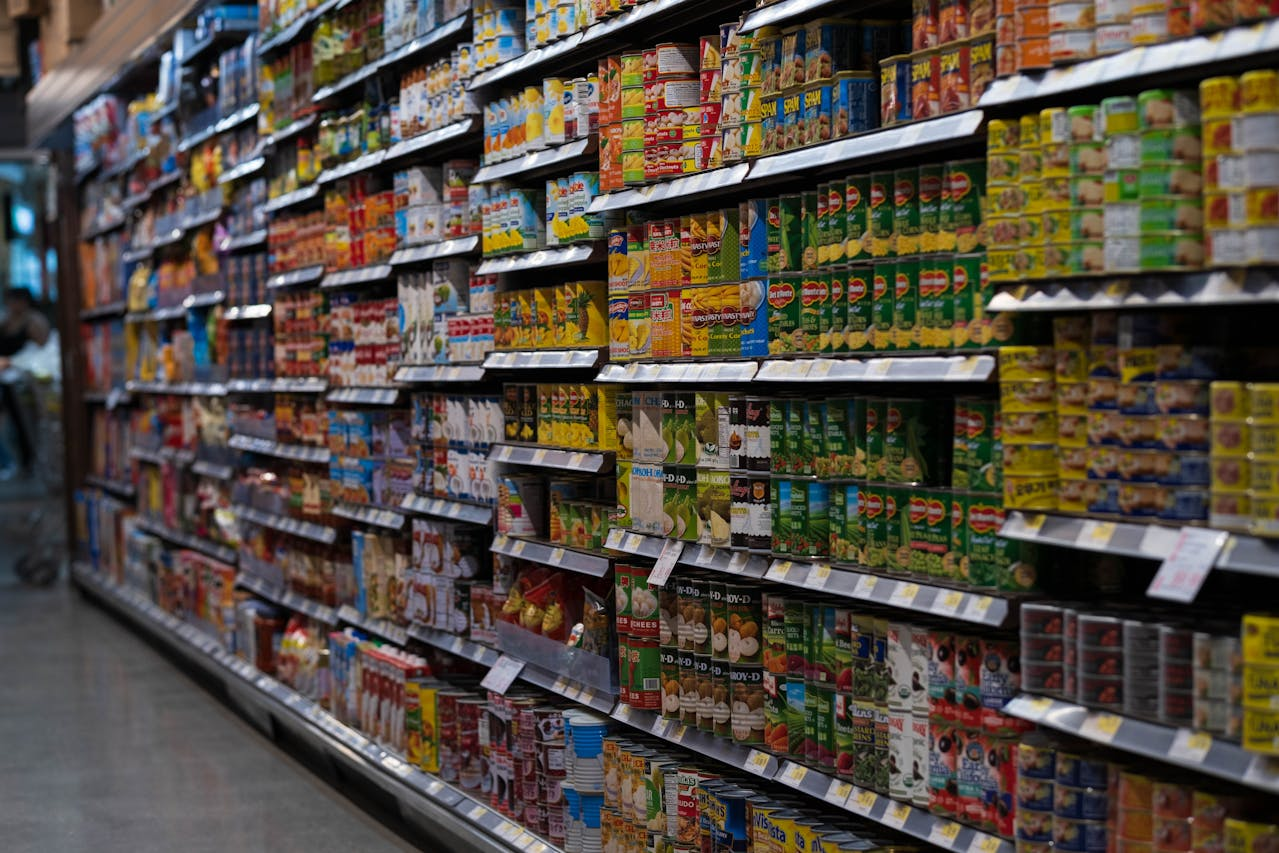
The ambient appointment places dedicated commercial leadership around a category that shapes basket value, availability, packaging efficiency, supplier planning, and store execution. Ambient ranges may avoid chilled-chain exposure, but they still depend on forecasting discipline, shelf-life management, packaging consistency, promotions, and supplier reliability.
The fish role carries a different operating profile. Fish and seafood procurement involves wild catch, aquaculture, certification, import controls, chilled handling, processing capacity, food safety, labour, and sustainability scrutiny. Retailers need close supplier relationships and strong technical assurance if they are to maintain quality and availability without building excessive cost into the category.
Bringing supply-chain leadership into the food leadership team puts logistics and supplier execution closer to commercial decision-making. M&S Food competes on quality, availability, innovation, and value, all of which depend on forecasting, chilled distribution, inbound supplier performance, and the ability to recover quickly from disruption.
Food businesses have been investing more heavily in the systems behind customer-facing growth. Domino’s Avonmouth supply-chain centre showed that regional capacity, automation, and ingredient availability are now core parts of foodservice expansion. Retail food operates differently, but the same link between supply-chain reliability and commercial performance is becoming harder to separate.
For manufacturers supplying M&S, the leadership changes could alter the rhythm of category planning. Ambient suppliers may face sharper scrutiny around value, innovation pace, packaging formats, service levels, and promotional performance. Fish suppliers are likely to remain under close focus on sourcing assurance, chilled-chain reliability, specification control, and processing standards.
Retailers are asking more from food suppliers while still applying price pressure. Cost competitiveness now sits alongside sustainability requirements, data expectations, packaging transition, quality controls, availability targets, and faster innovation cycles. Manufacturers serving premium and mid-market retailers need to provide technical assurance as well as reliable volume.
M&S has been working to broaden food from a convenience and occasion-led proposition into a stronger full-shop offer. That strategy depends on supplier networks that can deliver consistent quality across ambient grocery, ready meals, bakery, meat, fish, dairy, drinks, and food-to-go. Each category carries different production and logistics requirements, but all must arrive in stores with credible value and availability.
The move towards more specialised category leadership reflects how technically complex retail food has become. Buying and margin control remain important, but senior leaders also need to understand sourcing risk, manufacturing constraints, packaging changes, regulatory exposure, and the limits of supplier capacity.
For food manufacturers, the practical message is that retail leadership is moving closer to the factory, the packhouse, the cold store, and the distribution network. Category access and innovation approval will increasingly depend on evidence, responsiveness, production stability, and supply-chain discipline as much as product appeal.