IN Brief:
- ULMA Packaging UK will debut at Ireland’s FoodTech event as part of its market growth strategy.
- The company will highlight thermoforming, flow wrapping, tray sealing, and automated packaging systems.
- The move follows increased attention on Ireland’s food manufacturing and packaging equipment base.
ULMA Packaging UK will make its first appearance at FoodTech: Food & Beverage Conference & Exhibition in Ireland as it strengthens its focus on Irish food manufacturers and processors.
The company is using the event to present packaging machinery for meat, poultry, snacks, bakery, fresh produce, and wider prepared food applications. Its focus includes thermoforming, flow wrapping, tray sealing, vertical form fill seal, and automation technologies, with the Irish market identified as a growth area for food manufacturing equipment support.
ULMA’s Irish activity follows the appointment of Rob McKenna as regional sales manager for Ireland, giving the company closer technical and commercial support for local manufacturers. Once a packaging system moves from purchase decision to commissioning, training, maintenance, format change, and line optimisation, supplier proximity becomes part of line performance.
Ireland’s food production base is heavily export-oriented, with dairy, meat, bakery, prepared foods, and chilled categories all exposed to demanding retail, foodservice, and international market requirements. Packaging machinery has to serve several priorities at once: product protection, shelf life, hygiene, throughput, labour efficiency, pack presentation, traceability, and material reduction.
Thermoforming remains central to meat, poultry, seafood, cheese, and ready-meal applications because it combines pack integrity with product presentation and line efficiency. Flow wrapping is widely used in bakery, snacks, produce, confectionery, and portioned food formats where speed, cost control, and flexible pack sizing are important. Tray sealing continues to support chilled and prepared food categories where modified atmosphere packaging, leak prevention, and retailer-ready presentation are critical.
Manufacturers are being asked to extract more from packaging lines that already carry heavy operational pressure. Labour availability remains constrained across food manufacturing, while retailers continue to demand consistent pack appearance, longer shelf life, lower packaging weight, clearer labelling, and fewer supply disruptions. Automation has become part of maintaining output with a smaller and more variable workforce.
ULMA’s Irish push reflects a wider shift in supplier strategy. Packaging machinery companies are moving closer to regional customers through sales specialists, demonstration capability, service networks, and sector-specific events. Large international exhibitions still have a role, but many manufacturers prefer direct access to machinery suppliers where practical applications can be discussed around line conditions, product behaviour, and service needs.
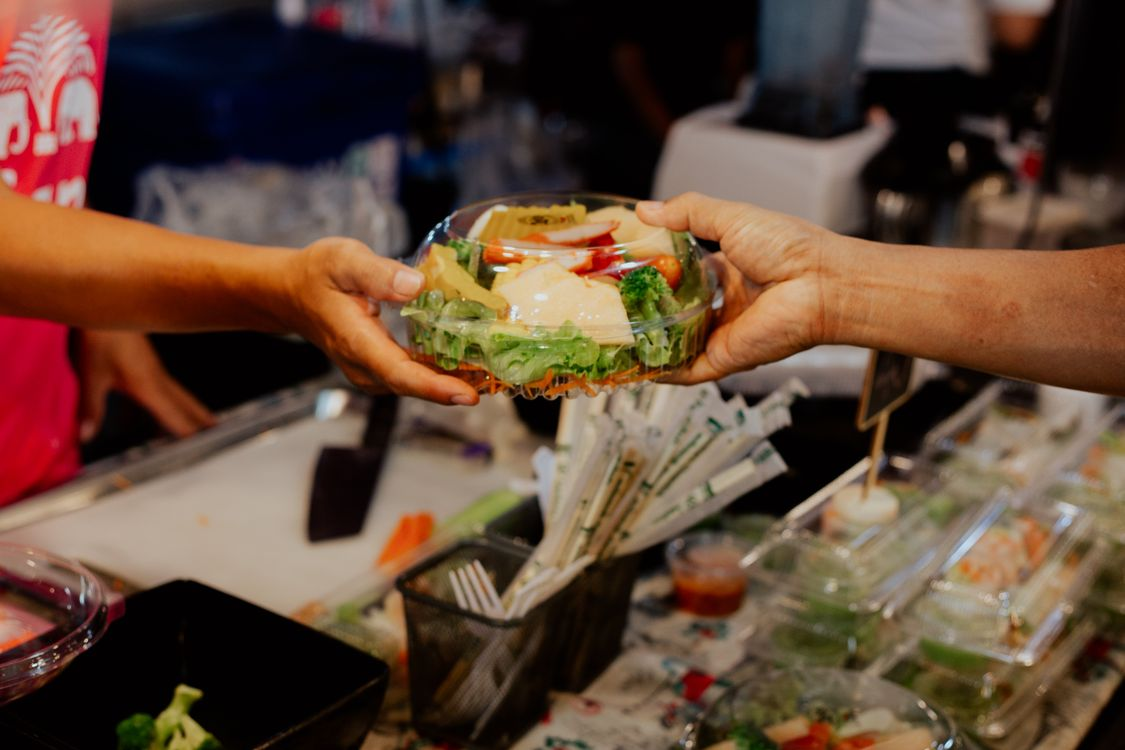
The company’s fresh produce activity has also been visible through its Venturi-based VFFS system for salad packaging, where pack length reduction, product protection, and rework reduction were brought together in one application. The FoodTech Ireland debut broadens that activity from one fresh produce system to a wider regional strategy across food packaging formats.
For Irish manufacturers, machinery support will be judged by line performance rather than catalogue range. A packaging system has to handle real product variation: moisture, fat, crumb, irregular shape, delicate structure, temperature, and fluctuating supply. Meat and poultry packs need seal integrity and shelf-life control. Bakery products need gentle handling and consistent wrapping. Snacks need speed, portion control, and pack appearance. Fresh produce needs minimal damage and breathable or controlled packaging conditions.
Material change adds another layer. Food producers are testing thinner films, recyclable structures, paper-based formats, mono-material options, and reduced-plastic specifications. Those materials do not always behave like legacy plastics. Seal windows can narrow, stiffness can change, forming performance can shift, and machinability can become less forgiving. Machinery suppliers that can support materials testing, settings optimisation, and format adaptation are likely to gain importance as packaging legislation and retailer requirements tighten.
ULMA’s FoodTech debut positions the company in a market where food producers need practical packaging engineering support as much as equipment choice. Ireland’s food sector has strong export potential, but it faces the same cost, labour, sustainability, and reliability pressures as the wider European food industry. Packaging machinery that can reduce downtime, protect product quality, and handle future material shifts is becoming part of manufacturing competitiveness, not simply an end-of-line purchase.