IN Brief:
- I.T.S has launched natural flavour systems for creamy and dessert-inspired RTD beverages.
- The range is positioned for soda, coffee-shop-inspired, functional, and dairy-style drink applications.
- The launch reflects rising demand for indulgent beverage profiles that still meet formulation and labelling expectations.
I.T.S has introduced a range of natural flavour solutions for creamy ready-to-drink beverages, targeting cream sodas, dessert-inspired drinks, functional beverages, and dairy-style cold formats.
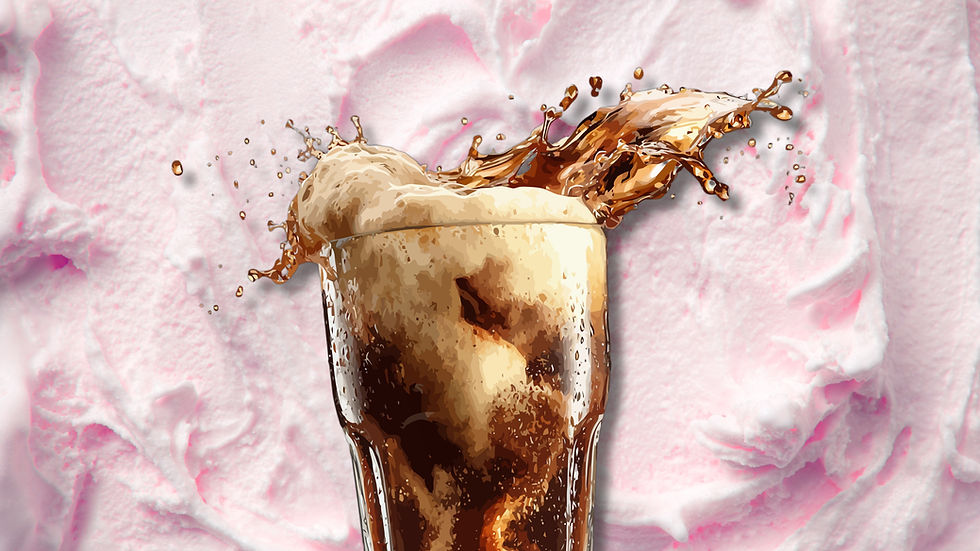
The UK flavour house has developed the range for beverage applications where creaminess, dessert cues, and smoother flavour profiles are becoming more prominent. Flavours in the range include ice cream vanilla, creamy coconut, cream soda, clotted cream, creamy vanilla, and strawberries and cream.
Creamy flavour is a deceptively technical area. A beverage can carry a vanilla, caramel, malt, custard, cream, whipped, or dessert note, but the finished drink still has to maintain stability, mouthfeel, sweetness balance, acidity control, and shelf life. In carbonated drinks, creamy perception has to work alongside fizz, acidity, and sweetness. In functional drinks, it may need to sit with proteins, fibres, vitamins, minerals, botanicals, or sweeteners. In dairy alternatives, it has to compensate for bases that can bring cereal, nut, pea, or soy notes.
The RTD category has become one of the more active spaces for flavour development because it sits across several consumer behaviours at once. Shoppers are looking for indulgence, but also moderation. They want coffee-shop style flavour cues in convenient chilled or ambient formats, while functional drinks are being pushed to taste less medicinal and less overtly engineered. Creamy flavours give manufacturers a way to soften functional formats and create a more familiar sensory experience.
The US market has helped push the idea forward through cream soda variants, dirty soda formats, cold coffee customisation, and dessert-inspired beverage builds. Those concepts are now influencing European beverage development, where brands are testing flavours that feel more indulgent while still fitting soft drink, no-alcohol, lower-sugar, and functional drink growth areas.
For manufacturers, the opportunity comes with formulation constraints. A creamy profile cannot simply be added as an isolated top note. It has to sit within a complete beverage architecture that includes sweetness, acidity, aroma release, aftertaste, colour, carbonation, body, and process conditions. Heat treatment, aseptic filling, pasteurisation, UHT, carbonation, or chilled distribution can all change how flavours perform over time.
Natural flavour systems also need to meet clean-label expectations without creating instability or cost issues. Beverage brands often want recognisable positioning, but they still require industrial repeatability. A flavour that works in a bench sample may shift after processing, storage, or interaction with proteins, emulsions, sweeteners, acids, or preservatives. Supplier application support becomes especially important where product developers are moving quickly to catch emerging drink trends.
The launch reflects the wider convergence of beverage and dessert categories. Drinks increasingly borrow from bakery, confectionery, café, and ice cream cues. Vanilla cream, cookie, custard, caramel, cheesecake, cereal milk, whipped cream, and malted notes can all carry indulgence without necessarily requiring a high-fat formulation. That gives manufacturers more flexibility, while increasing the burden on sensory development.
In functional beverages, creamy flavour can perform a masking role as well as an indulgence role. Protein, fibre, plant extracts, minerals, and some sweeteners can bring bitterness, astringency, chalkiness, or lingering notes. A well-built creamy flavour system can help round those edges, although it cannot compensate for poor base formulation on its own.
The development is relevant to dairy and plant-based beverage manufacturers as well as soft drink producers. Dairy-style flavours can help plant-based drinks achieve more familiar profiles, while dairy drinks can use dessert cues to extend into premium snacking or treat occasions. In both cases, the manufacturing challenge is to balance sensory richness with nutritional, cost, and processing requirements.
Flavour is carrying more of the commercial work in RTD beverages. Packaging, function, and branding may bring a product to shelf, but repeat purchase depends heavily on taste. Creamy RTD formats give developers a way to build comfort and indulgence into drinks that might otherwise feel too sharp, too functional, or too familiar. The strongest products will deliver that sensory cue cleanly, consistently, and at production scale.