IN Brief:
- Robert Berge has joined Theegarten-Pactec’s management team ahead of Dr Egbert Röhm’s planned 2028 retirement.
- The appointment brings production, drive technology, ERP, and operational transformation experience into the business.
- Flexible wrapping, digital control, and service reliability remain central pressures in confectionery and snack packaging machinery.
Theegarten-Pactec has appointed Robert Berge to its management team as the Dresden-based packaging machinery manufacturer prepares for a planned leadership transition across its confectionery, snacks, and wider food equipment business.
Berge joined the company on 1 June and will gradually take on responsibilities from long-standing Managing Director Dr Egbert Röhm, who is due to retire at the end of 2028. The extended handover gives the business more than two years to transfer operational knowledge, customer relationships, and strategic responsibility without compressing succession into a short transition window.
The appointment brings senior production and transformation experience into a business built around specialist wrapping systems. Berge has worked in drive technology and has led large production divisions, site strategies, competitiveness programmes, value-chain changes, make-or-buy structures, and the introduction of production, control, and ERP systems.
Packaging machinery suppliers are being asked to deliver more than mechanical throughput. Food manufacturers now expect systems that combine speed, hygienic access, format flexibility, automation, data capture, maintenance support, and controlled lifecycle cost. In confectionery and snacks, frequent product changes make those requirements more difficult to meet without slowing production.
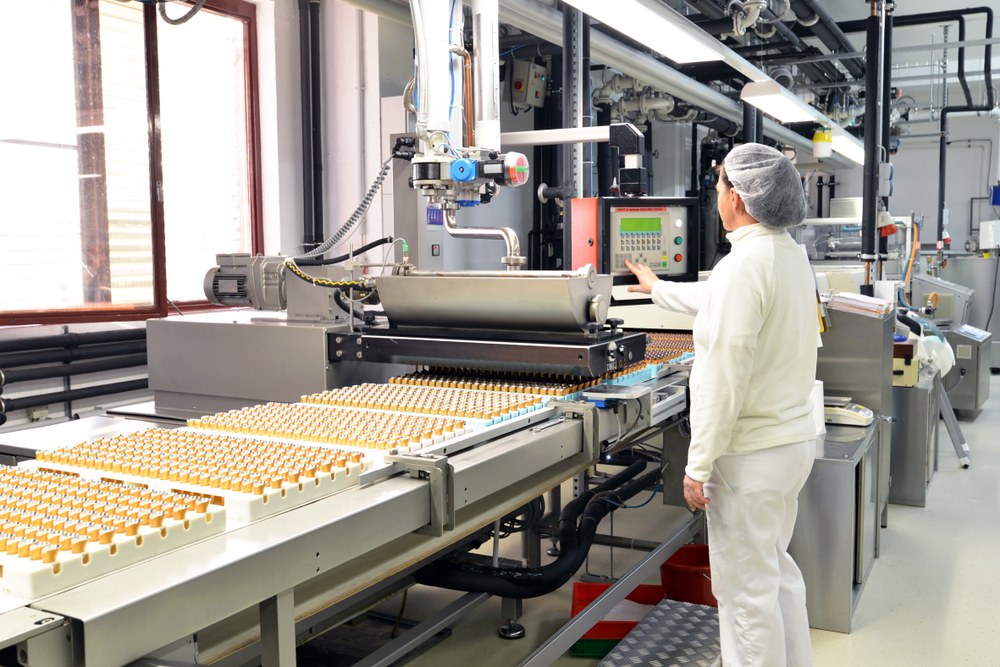
Theegarten-Pactec’s recent equipment activity has included the FPC6 flow-wrapping line for chocolate, cereal, protein bar, confectionery, and snack applications. That spread of end markets shows how traditional confectionery equipment is being drawn into broader food manufacturing requirements, particularly where bars, filled products, portioned treats, and hybrid snack formats need precise wrapping performance.
Shorter runs, seasonal formats, retailer-specific requirements, and material trials are changing how wrapping machinery is specified. A line built only for a narrow product range can become a constraint when commercial teams push more variants into the factory. The ability to move between formats with controlled changeover time is becoming as important as maximum rated speed.
Digitalisation is also moving from optional enhancement to operating requirement. Recipe management, changeover support, performance monitoring, remote diagnostics, maintenance scheduling, and audit-ready production data all depend on stronger control systems. Machinery builders with deep mechanical expertise now need software, service, and data capabilities that match the reliability of the core equipment.
Similar pressures are visible across food packaging machinery. Flexible thermoforming systems for mid-range manufacturers and produce-specific packaging equipment using Venturi airflow both show how equipment is being designed around product behaviour, material use, changeover, and line stability. Theegarten-Pactec operates in a different application area, but the commercial demand is the same: machinery has to absorb complexity without turning every change into lost production time.
Operational performance inside machinery suppliers also affects customers directly. Build quality, delivery reliability, commissioning support, spare-parts availability, documentation, and service responsiveness all influence the effective value of a packaging line. A technically strong system that is difficult to integrate, maintain, or support can become a production liability after installation.
European equipment manufacturers face their own industrial constraints. Skilled labour, component availability, energy costs, engineering capacity, export competition, and customer demands for digital support all shape the ability to deliver specialist machinery profitably. Leadership experience in production systems and operational transformation is therefore closely tied to product competitiveness.
Confectionery and snacks remain particularly sensitive to packaging presentation. Wrap integrity, product alignment, film handling, seal quality, and visible finish all influence brand value and shelf performance. At the same time, manufacturers are under pressure to reduce waste, test new substrates, improve labour efficiency, and maintain output across varied formats.
A planned succession also gives customers confidence. Packaging equipment is bought for long service lives, and manufacturers need assurance that technical support, product development, and leadership direction will remain stable beyond the next trade show cycle. Berge’s early appointment gives Theegarten-Pactec room to align its production systems, digital priorities, and customer support model before the 2028 transition completes.
The machinery sector is moving into a period where mechanical precision, digital control, and operational reliability are increasingly inseparable. Theegarten-Pactec’s succession plan positions the company to carry its wrapping expertise into that environment, where the competitiveness of a packaging line will depend as much on changeover, data, service, and integration as on the speed of the wrapper itself.