IN Brief:
- Flexible plastic food packaging is facing stronger regulation across Europe and the UK.
- Recycled-content rules, collection requirements, and recyclability tests will reshape packaging decisions.
- Manufacturers must balance barrier performance, shelf life, cost, line speed, and end-of-life compliance.
European packaging regulation is pushing flexible plastics into a tougher compliance phase, with food manufacturers facing new pressure on bags, wraps, pouches, sachets, and multilayer films.
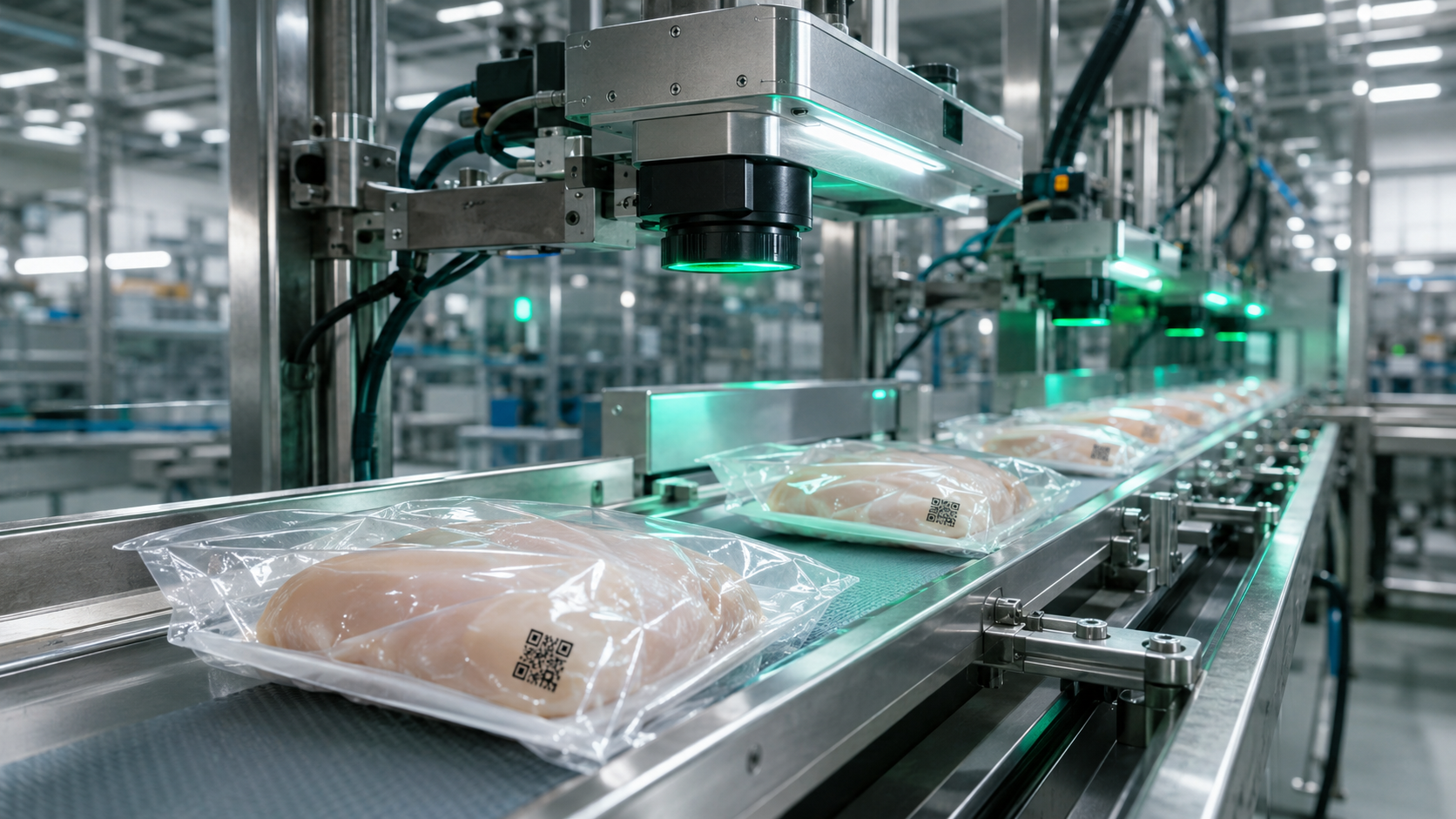
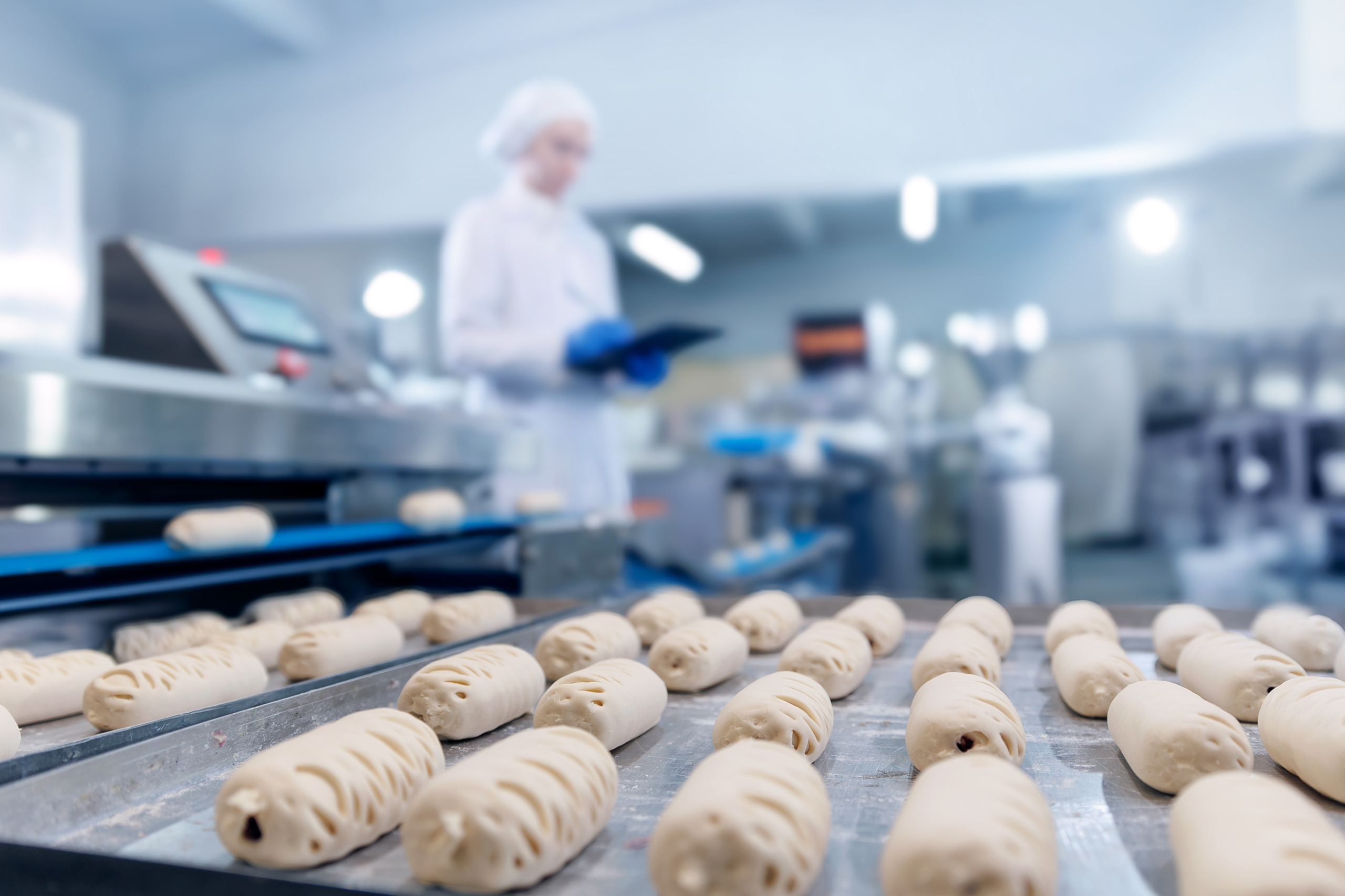
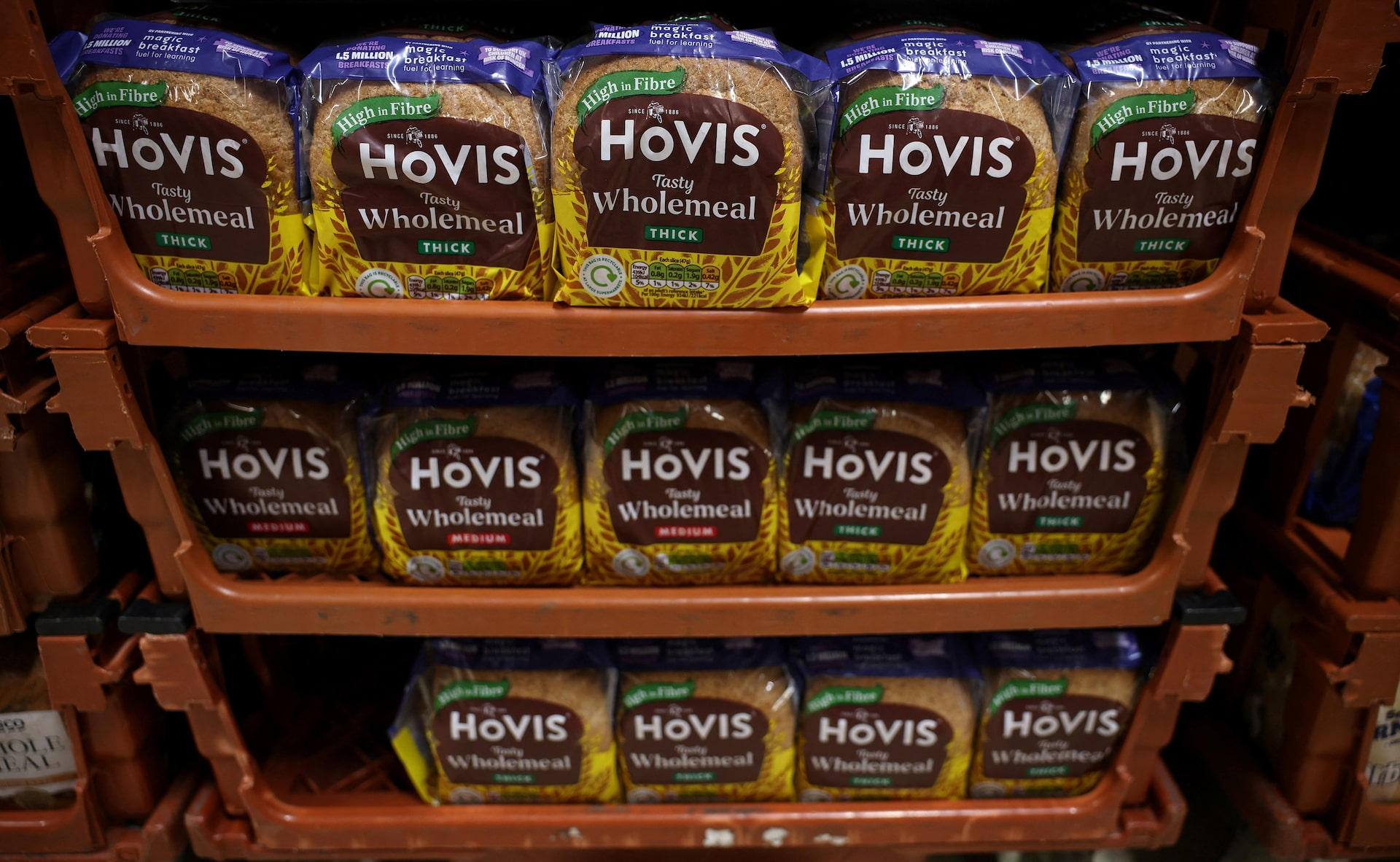
Flexible packaging remains central to modern food production because it is lightweight, efficient, and adaptable. It protects snacks, bakery, confectionery, dairy, frozen foods, ready meals, pet food, and ambient products while supporting high-speed filling, sealing, packing, and distribution.
The same structures that make flexibles valuable on the line often make them difficult to recycle. Multilayer materials can combine polymers, inks, adhesives, coatings, barriers, and metallised layers to control oxygen, moisture, grease, aroma, and light. That performance protects food quality and shelf life, but it can reduce the value of recovered material and complicate sorting.
Regulation is now tightening the economics of those trade-offs. From 2030, many plastic packaging formats in Europe will need minimum recycled content, while recyclability requirements will place greater scrutiny on whether packs can be collected, sorted, and reprocessed at scale. In England, councils are due to collect plastic films and bags from household recycling bins from March 2027, increasing the amount of flexible plastic entering local systems.
The pressure is already visible in the Packaging and Packaging Waste Regulation debate, where retailers have pushed for workable transition arrangements amid concern over cost, timing, and implementation complexity. Flexible plastics sit near the centre of that challenge because infrastructure development has not kept pace with the regulatory direction.
Alternative materials are developing quickly, but none provides a universal replacement. Coated paper can reduce fossil plastic use in some dry-food applications, although barrier coatings can complicate recyclability and may not protect all products adequately. Compostable materials need suitable collection and treatment routes. Mono-material plastics can improve recycling potential, but may require revised barrier layers, sealants, and shelf-life validation.
Packaging trials therefore need to account for production performance as well as end-of-life claims. Films must form, fill, seal, code, inspect, case pack, and palletise without excessive tearing, curling, scuffing, blocking, poor seal integrity, or reduced line speed. A more recyclable structure can still fail commercially if it creates higher rejects or shortens shelf life.
Recent developments in paper flowpack conversion show how converters are trying to give food producers lower-plastic formats that can run on existing lines. Adoption will still depend on product moisture, fat content, oxygen sensitivity, shelf-life targets, pack geometry, retailer requirements, and machinery compatibility.
Recycling technology will influence the pace of change. Mechanical recycling can work where flexible polyethylene and polypropylene streams are sufficiently clean and well sorted. Chemical recycling and dissolution technologies may offer routes for more complex materials, but food-contact approval, energy use, cost, and capacity remain unresolved for many applications.
Food manufacturers are likely to face more packaging procurement work before the formal deadlines arrive. Material trials, secondary supplier qualification, recyclability data, recycled-content availability, EPR fee exposure, and retailer scorecards will need to be addressed earlier in the development process. Packaging compliance is becoming a design parameter rather than a final-stage check.
There is also a food waste risk. If new materials reduce barrier performance or damage resistance, the environmental gains from using less problematic packaging can be offset by product loss. Shelf-life testing, transport simulation, and pack integrity validation will therefore remain central to any transition away from difficult-to-recycle flexibles.
Flexible packaging will remain embedded in food manufacturing because its functional advantages are too significant to remove quickly. The next phase will be defined by redesign rather than abandonment, with material science, recycling infrastructure, and regulatory deadlines forcing faster decisions on formats that have long been optimised primarily for cost and performance.