IN Brief:
- The UK government has stepped back from a pledge to ban foie gras imports.
- Domestic production remains banned, while importing and selling foie gras remains legal.
- The decision highlights the tension between animal welfare policy, EU trade alignment, and food import rules.
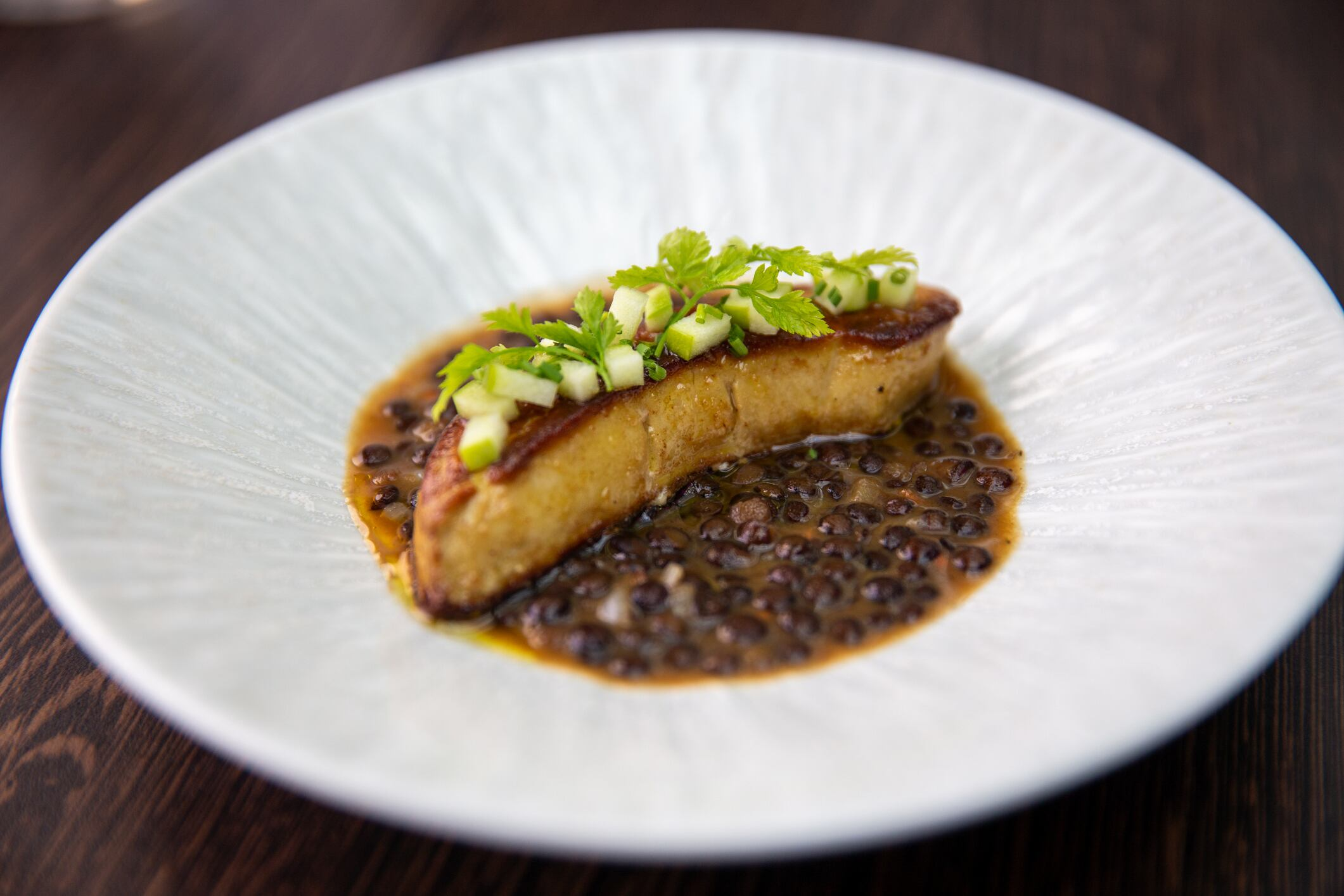
Defra is facing scrutiny after the UK government stepped back from a pledge to ban foie gras imports while pursuing closer trade arrangements with the European Union.
Foie gras production has been banned in the UK since 2007, but imports and sales remain legal. Labour had pledged before the 2024 general election to ban products made by force-feeding ducks or geese from entering the UK market, but the commitment has now met the constraints of food and agricultural trade negotiations.
The decision sits within a wider debate over how far the UK can diverge from EU food standards while seeking lower-friction trade. Animal welfare rules are particularly difficult because they sit between domestic production standards, import controls, market access, and competition between producers operating under different regulatory conditions.
Food and agricultural trade policy rarely allows clean separation between values and market access. A government can ban a domestic production method, but restricting imports of products legally produced elsewhere becomes more complicated when negotiations depend on reducing barriers and avoiding selective trade restrictions.
Meat and animal-origin supply chains are already under pressure from cost, demand, and structural change, with recent consultation activity in the red meat sector reflecting the strain on parts of the UK processing base. The foie gras decision adds another layer to the same operating environment: the unresolved question of whether the UK will prioritise divergence or alignment when food standards and market access collide.
Sanitary and phytosanitary alignment remains central to that debate. Food manufacturers, importers, exporters, and agricultural businesses have repeatedly pushed for reduced border friction with the EU, particularly for chilled, fresh, short shelf-life, and animal-origin products. Greater alignment could reduce paperwork and checks, but it can also limit the UK’s ability to impose separate product restrictions.
For importers and distributors, the immediate effect is continuity. Foie gras can remain available through existing trade routes, subject to normal legal and food safety requirements. For campaigners and businesses advocating stricter welfare standards, the decision represents a retreat from a more restrictive sourcing policy.
The precedent is wider than one niche product. If the UK prioritises EU trade alignment over some import bans, businesses will need to judge which animal welfare, sustainability, and production-method standards are likely to become law and which may be constrained by trade negotiations. That affects sourcing decisions, supplier standards, retailer commitments, and customer-facing claims.
Competition concerns will remain sensitive. UK producers operating under higher domestic welfare rules often argue that imports should meet equivalent standards. Where domestic production is banned but imports remain legal, the market can appear inconsistent. Similar tensions can arise across eggs, pork, poultry, beef, cages, antibiotic use, live exports, and other production standards.
Policy predictability is important for manufacturers using animal-derived ingredients or sourcing from European suppliers. Procurement contracts, product development, labelling decisions, and customer agreements all depend on knowing whether standards will tighten, align, or remain unchanged. Political reversals in niche categories can still signal how larger food-standard decisions may be handled.
The foie gras decision shows how UK food policy is being reshaped by the practical demands of post-Brexit trade. Higher welfare standards may still advance in some areas, but each divergence will be tested against its effect on market access. Processors and suppliers will need to monitor not only the policy itself, but the trade settlement that determines whether it can be enforced.