IN Brief:
- Kraft Heinz factories in the UK, Netherlands, France, Poland, and Spain now use 100% renewable electricity.
- The sites produce sauces, condiments, and canned goods for major European brands.
- Factory decarbonisation is moving from electricity procurement into heat, utilities, and process redesign.
Kraft Heinz has reached a renewable electricity milestone across its European manufacturing network, with factories in the UK, Netherlands, France, Poland, and Spain now operating on 100% renewable electricity.
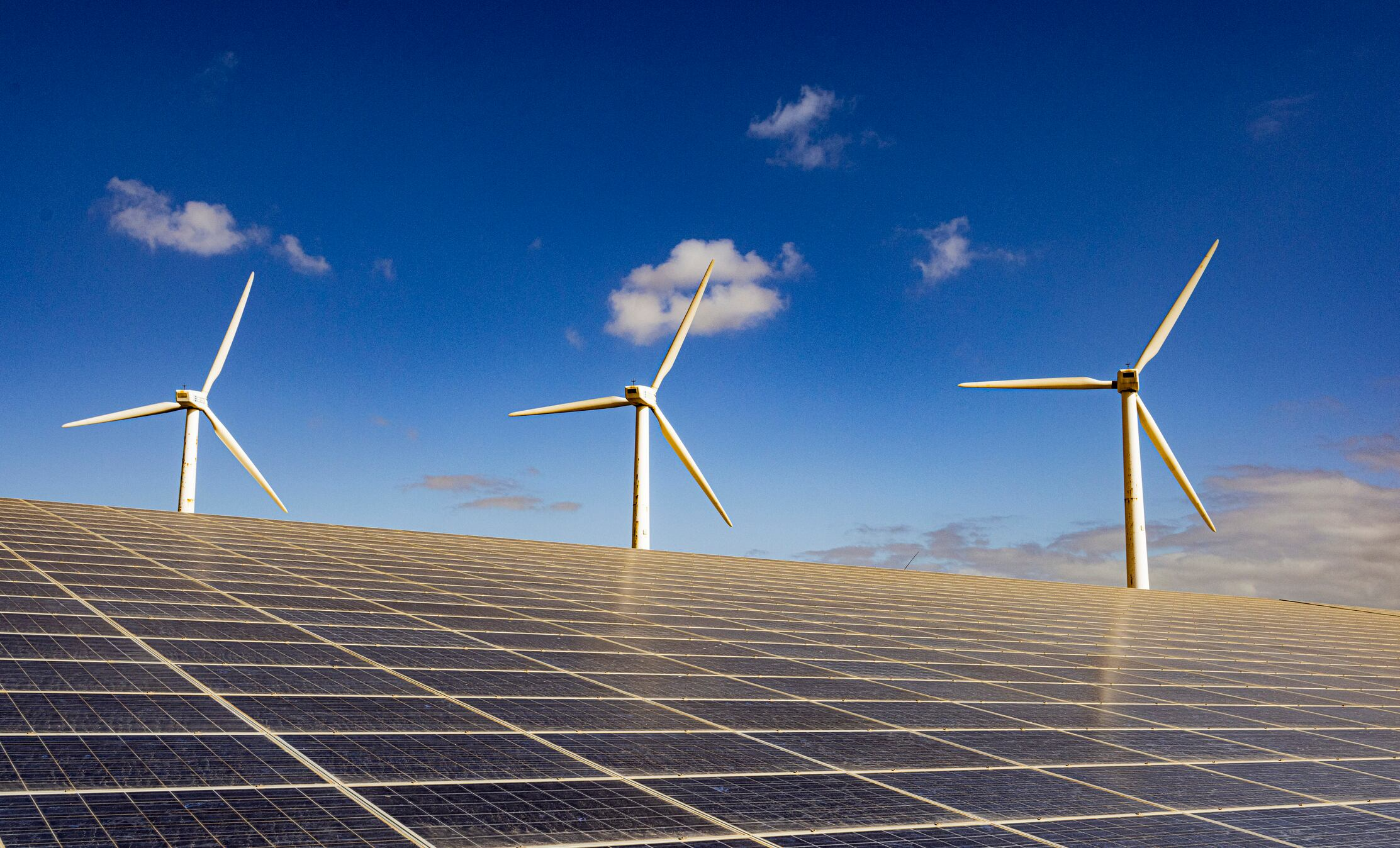
The sites produce sauces, condiments, and canned goods across major European brands including Heinz and Lea & Perrins. Renewable electricity is being sourced from wind and solar power, reducing Scope 2 emissions across a network that includes large-scale ketchup, sauce, soup, bean, and canned food operations.
Food plants have become a central battleground for decarbonisation because they combine constant utility demand with strict process and safety constraints. A sauce or canned goods factory cannot reduce energy use by weakening pasteurisation, sterilisation, cleaning, or product control. Every change has to preserve food safety, shelf life, line speed, hygiene validation, and product consistency.
Kraft Heinz’s Kitt Green facility in Wigan has already been associated with wider low-carbon energy work, including heat pump and renewable hydrogen activity. Those technologies point to the next phase of the transition. Renewable electricity reduces purchased-power emissions, but many food factories still rely heavily on thermal systems, steam generation, hot water, clean-in-place cycles, and process heat.
Electrifying heat is more complicated than switching power contracts. Heat pumps can recover and upgrade lower-grade thermal energy, but they need careful integration with production schedules, cleaning requirements, site utilities, and existing pipework. Hydrogen may support some high-temperature uses, but cost, availability, storage, safety, and infrastructure remain significant barriers. As a result, most large food factories will decarbonise through a blend of renewable electricity, heat recovery, process optimisation, demand reduction, and selective fuel switching.
The same operational discipline is visible in wider food-sector work on ingredient and supply risk, where climate, cost, and resilience are increasingly treated as production issues rather than peripheral sustainability topics. Recent coverage of ingredient risk and sustainability at the Sustainable Foods Summit showed how manufacturers are being pushed to connect sourcing, emissions, and commercial exposure. Factory energy belongs in that same risk framework.
Large ambient food sites also face a specific capital-planning challenge. Many were built around long-lived boilers, steam networks, process vessels, and packaging lines. Retrofitting lower-carbon systems into those plants can be more complex than designing new facilities. Engineers have to work around space constraints, production continuity, maintenance windows, and equipment that may still have years of useful life remaining.
Energy procurement can still create immediate value. Renewable electricity contracts can reduce exposure to fossil-power volatility, support retailer and customer reporting, and provide a clearer platform for future electrification. As more equipment becomes digitally controlled, automated, and sensor-rich, reliable low-carbon power becomes part of the operating model. Motors, pumps, drives, refrigeration, compressed air, robotics, and data systems all benefit from a more efficient electricity strategy.
The commercial pressure is also rising. Retailers are scrutinising supplier emissions, packaging footprints, responsible sourcing, and waste performance. Large branded manufacturers need site-level evidence that progress is being made, and power procurement is one of the more measurable levers available. It is easier to audit than many agricultural emissions and more immediate than major process redesign.
Yet the harder work remains inside the factory. Sauces, condiments, and canned foods are heavy users of heat, water, cleaning systems, packaging, and logistics. Cutting emissions across those categories will require utility mapping, process control upgrades, boiler strategy, refrigeration efficiency, heat recovery, maintenance discipline, and waste reduction. Renewable electricity is a foundation rather than the final structure.
Kraft Heinz’s European milestone shows that large food groups are now moving plant energy from target-setting into implementation. The next wave will be more technical, more capital-intensive, and more closely tied to engineering decisions made on individual sites. Factories that can reduce energy intensity without disrupting product quality will have a stronger cost and carbon position as regulation, retailer pressure, and energy volatility continue to converge.