IN Brief:
- Drinks, packaging, retail, hospitality, glass, and waste groups oppose including glass in the Welsh deposit return scheme.
- Wales plans to diverge from the PET bottle and metal can system being introduced elsewhere in the UK.
- Separate labels, inventories, collection arrangements, reporting, and reverse logistics could raise producer costs.
The Wine and Spirit Trade Association and a coalition of drinks, hospitality, retail, glass, and waste organisations have renewed their opposition to including glass in Wales’s deposit return scheme.
The dispute centres on Wales adopting a different material scope from the system planned for England, Scotland, and Northern Ireland. PET bottles and metal cans are intended to sit within a broadly harmonised model, while the Welsh scheme will also encompass glass containers.
Separate rules would require dedicated labels, product registrations, stock keeping units, data, collection arrangements, and reverse logistics for products sold in Wales. Smaller producers and imported brands could face the choice between creating a distinct Welsh pack and withdrawing lower volume lines from the market.
Glass already moves through household recycling, although the Welsh Government wants to improve the capture of drinks containers consumed away from home while developing a stronger reuse system. Implementation is expected to take place in stages, with glass potentially following a different timetable from PET and metal.
One production and distribution network would therefore have to serve several national rule sets. A bottle containing the same drink could require a different label, barcode, deposit marking, registration, fee, and reporting route according to destination.
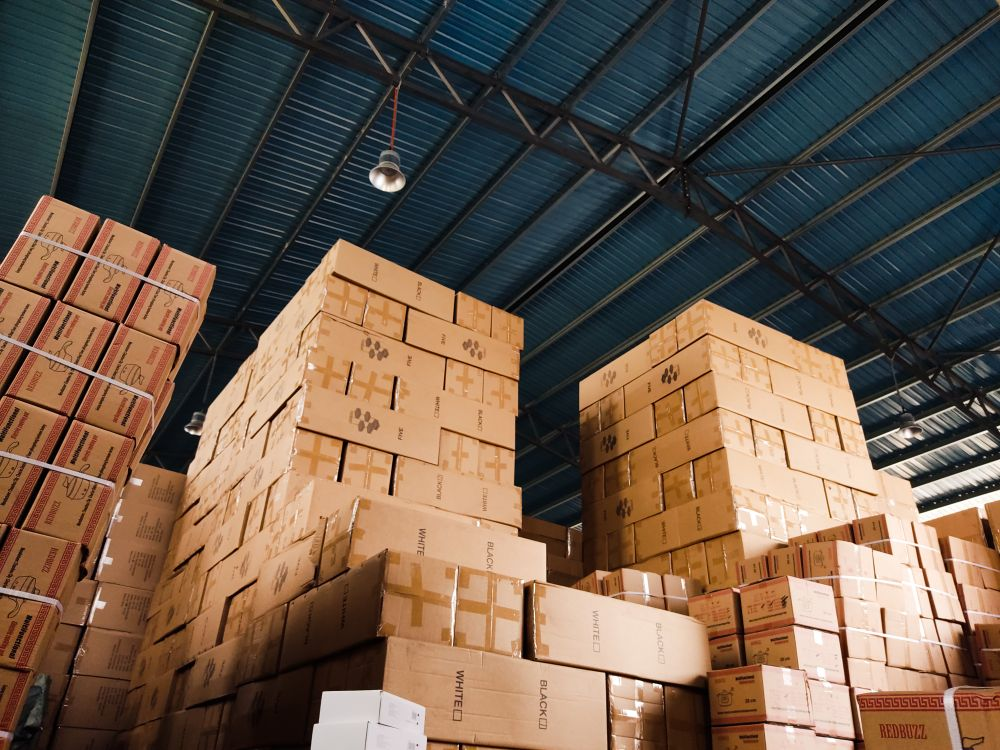
Factories can manage national variants, but every additional format consumes packaging inventory and production time. Separate label reels, cartons, coding instructions, quality checks, pallet identification, and warehouse locations may be needed for products that otherwise share the same liquid and container.
Forecast errors become more expensive when stock cannot move freely between markets. Surplus Welsh inventory may not be saleable elsewhere, while an unexpected rise in Welsh demand cannot necessarily be supplied from standard UK stock if deposit markings or registrations differ.
One container creates several operating systems
Deposit return schemes extend well beyond the physical pack. Producers must register products, submit sales data, fund administration, reconcile deposits, and retain evidence around each container placed on the market, while retailers require return points, storage, staff procedures, and dependable collections.
Glass adds weight and breakage risk to that infrastructure. Empty bottles occupy vehicle capacity, need suitable crates or bins, and require different handling from lightweight cans and PET, while broken material creates safety and contamination hazards at stores, collection points, transfer stations, and counting facilities.
Reverse vending equipment must identify whether a container is eligible and whether a deposit should be returned. Recognition may depend on barcode, shape, weight, and material, making unusual premium bottles more difficult to process than standard formats.
Refillable containers add another stream because they must remain intact and separated from single use cullet. Washing, inspection, filling, crate management, and transport capacity have to support repeated rotations if reuse is to extend beyond small regional systems.
France is testing that model through Citeo’s shared reusable packaging network, which combines common containers, return points, washing centres, deposits, and retailer participation. Its first year produced an average return rate of 24%, showing how slowly infrastructure and consumer behaviour can develop even at substantial scale.
UK producers are simultaneously adapting to extended producer responsibility. Recent EPR data showed that most obligated businesses still use packaging outside the strongest recyclability rating, leaving redesign, reporting, and fee exposure unresolved across large parts of the market.
EPR and DRS operate differently, but companies experience both through packaging specifications, finance, data, registration, and internal systems. A container can be technically recyclable and still create deposit, labelling, and logistics requirements that differ between nations.
Glass manufacturers emphasise that bottles can be recycled repeatedly without losing material quality. Opponents of inclusion argue that removing valuable bottles from kerbside collections could weaken local authority recycling economics, particularly where existing systems already achieve strong capture.
The balance will depend on return rates, contamination, transport distances, breakage, cullet quality, and the final destination of collected material. A heavy container travelling through a separate return network can produce a different environmental result from one captured efficiently through local collections.
Large beverage groups can absorb the cost of separate systems more easily than smaller breweries, cider makers, soft drink producers, wine importers, and specialist brands. Where Welsh sales are limited, unique artwork and compliance work may outweigh the commercial value of maintaining every product.
Clear implementation dates are now essential because packaging contracts, label changes, retail listings, reverse vending equipment, and internal data systems require long lead times. Late technical changes would leave businesses carrying obsolete material or compressing factory trials into already crowded production schedules.
Wales’s approach will test whether a broader and more ambitious material scope can improve recovery and reuse without creating a disproportionately complex trading boundary. The answer will be determined in factories, warehouses, shops, and return depots long before the first official collection figures appear.