IN Brief:
- Nestlé is launching Aero and Milkybar sharing bars and bite-sized packs across the UK and Ireland.
- The products are manufactured at York and will receive a wider national rollout from August.
- Aeration, component depositing, cooling, handling, and packaging must remain controlled across two distinct formats.
Nestlé has combined Aero and Milkybar in a new confectionery range produced at its York factory, bringing aerated milk chocolate and white chocolate together in sharing bars and bite-sized packs.
The products are available initially through selected stores, with a nationwide rollout across the UK and Ireland planned from August. Aero was introduced in 1935, while Milkybar followed in 1936 and marks its 90th anniversary in 2026.
Both formats use Aero’s bubble structure with Milkybar white chocolate, extending the collaboration across a moulded tablet and smaller pieces packed into a sharing bag. The range follows Aero Caramel bubbles, an Aero Pistachio-flavour sharing bar, and Milkybar Crunchy Pops.
Rachel Beaufoy, marketing manager at Nestlé, said: “We’re very excited to see fan reactions to the team up of two of our classic brands. The iconic Milkybar white chocolate combined with the signature Aero bubbles is a duo we know fans will love.”
Inside the factory, aerated chocolate depends on controlled gas incorporation, viscosity, pressure, temperature, and cooling to create a stable bubble structure. White chocolate has a different composition and flow profile, with cocoa butter, milk solids, and sugar influencing crystallisation, depositing behaviour, and the finished bite.
Bringing those components together requires consistent distribution and adhesion through depositing and cooling. Variations can create uneven layers, weak interfaces, visible defects, bloom, or changes in texture, while the larger sharing bar and smaller pieces may need different moulds, cooling profiles, and demoulding settings.
York already handles major confectionery brands at high volume, providing the process systems required for chocolate preparation, aeration, moulding, cooling, and packing. Using an established site also places the new range within existing allergen, traceability, quality, and distribution controls.
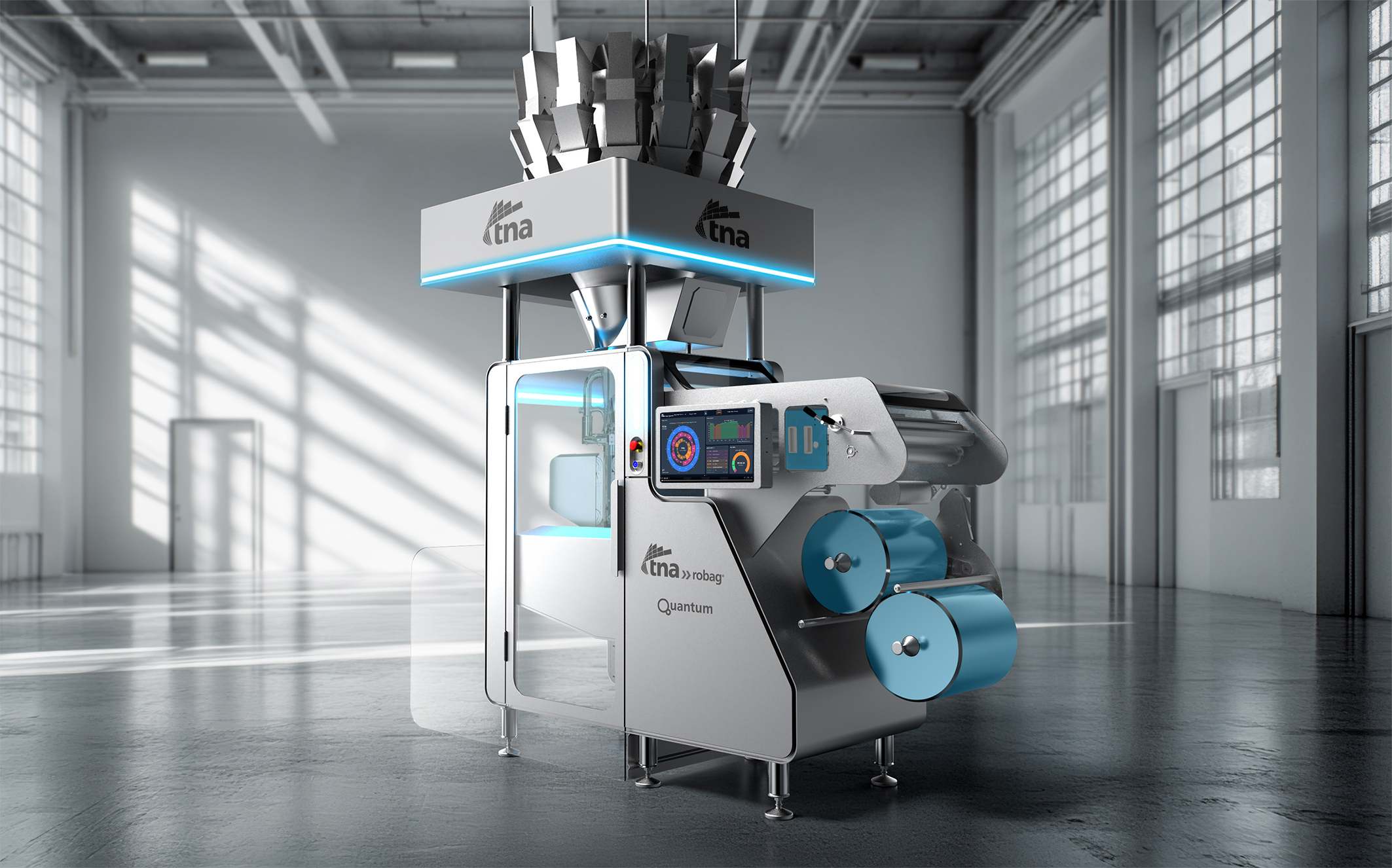
Packaging requirements change with the format. A sharing bar needs protection against breakage, heat, and scuffing while retaining shelf presentation, whereas bite-sized pieces require controlled weighing or counting, gentle transfer, seal integrity, and enough mechanical protection to limit abrasion inside the bag.
Brand combinations add factory complexity
Pairing familiar brands can reduce some commercial uncertainty because shoppers already understand the components, but each extension still introduces artwork, packaging materials, moulds, specifications, trials, and line scheduling. Short-lived variants can become costly when dedicated materials and change parts remain after the initial sales peak.
York is also handling a Wildfarmed wheat trial for KitKat wafers, linking changes in agricultural sourcing with a site producing around 1.5bn KitKat bars a year. Both programmes rely on the same manufacturing discipline: introducing new materials or products without destabilising high-volume output.
Chocolate producers continue to manage volatile cocoa costs alongside dairy, sugar, energy, labour, and packaging. New formats therefore have to earn their place through volume, margin, or portfolio value while remaining compatible with the plant’s existing assets and production calendar.
Aeration offers a route to texture differentiation without relying solely on fillings or solid inclusions. Bubble size and distribution change the way chocolate fractures and melts, although density variation can affect declared weight, product dimensions, cooling, and the number of pieces or bars produced from a given mass.
White chocolate adds visual contrast as well as flavour, but colour uniformity and surface appearance must be protected during processing and storage. Temperature excursions, poor tempering, or migration between components can create bloom or dullness that is especially visible against a pale surface.
The bite-sized format follows a broader confectionery shift towards resealable or sharing bags that support several eating occasions. Smaller pieces pass through more handling stages relative to their mass, increasing exposure to chipping, abrasion, and weight variation during transfer, inspection, and packing.
Production planning becomes more involved when two formats share recipes but require different tooling or packaging equipment. Manufacturers can gain efficiency by running common chocolate preparation before dividing the flow, although campaign size, cleaning, material availability, and downstream capacity must support that arrangement.
Retail rollout across the UK and Ireland gives Nestlé a relatively concentrated market for replenishment, but cocoa and several other inputs remain internationally sourced. Factory flexibility can shorten finished-goods lead times without removing exposure to commodity availability or price changes upstream.
Established brands provide a strong platform for innovation, yet their familiarity also raises expectations around texture, flavour, and consistency. The York operation must deliver recognisable Aero bubbles and Milkybar character across two formats while maintaining the visual separation and handling strength required for nationwide distribution.
The range turns a simple brand pairing into a multi-stage production task involving aeration, depositing, crystallisation, cooling, demoulding, weighing, and pack protection. Repeat sales will determine its commercial life, but manufacturing control will decide whether the collaboration can remain on the line without creating disproportionate complexity.