IN Brief:
- The UK’s organically managed land area increased by 7.3% to approximately 540,000 hectares during 2025.
- Land undergoing organic conversion rose by 63% to 79,000 hectares.
- Organic poultry declined by 2% to 4.8 million birds, representing 2.6% of the national flock.
Defra has recorded a 7.3% increase in the UK’s organically managed land area during 2025, taking the national total to approximately 540,000 hectares.
The figure includes 461,000 hectares of fully organic land and 79,000 hectares undergoing conversion. Conversion area increased by 63% during the year and represented 15% of all land within the organic system.
Organic land accounted for 3.2% of the agricultural area covered by the June survey. Scotland held approximately 168,000 hectares, England 301,000 hectares, Wales 64,000 hectares, and Northern Ireland 6,700 hectares.
Permanent pasture and rough grazing represented 64% of organically managed land, followed by temporary pasture at 17% and cereals at 9.3%. Vegetables, potatoes, fruit, nuts, woodland, and other arable uses accounted for the remainder.
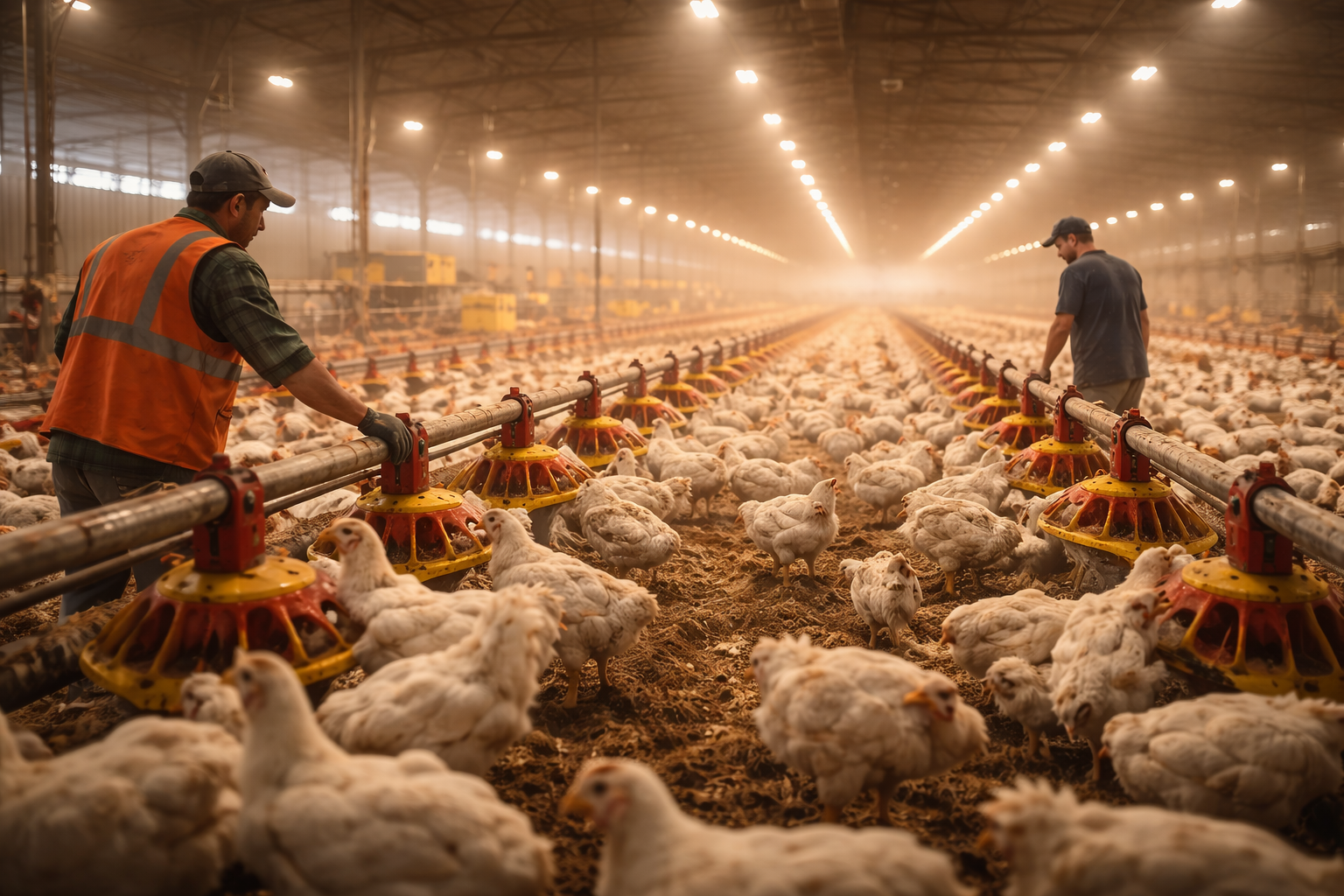
The expansion in land did not produce growth across every livestock category. Organically reared poultry declined by 2% to approximately 4.8 million birds, equivalent to 2.6% of the UK poultry population.
Organic broiler numbers fell from around 2.51 million in 2024 to 2.38 million in 2025. Organic laying hens increased from approximately 2.17 million to 2.23 million, while other poultry declined to 139,000 birds.
Registered organic producers and processors also fell by 2.5% to 5,004. The total includes producers, combined producer-processors, and processing operations such as abattoirs, bakeries, storage businesses, and wholesalers.
Conversion growth will not create instant volume
The sharp increase in land entering conversion points towards a larger future raw material base, although certified output develops slowly. Land must complete the required conversion period before products can be sold as organic, while livestock systems need compliant feed, husbandry, housing, welfare, veterinary, and traceability arrangements.
Much of the additional area consists of pasture rather than immediately available arable production. That can support cattle and sheep, but it does not automatically expand the cereals and protein crops required by poultry farms or food ingredient manufacturers.
Organic poultry remains constrained by feed availability and cost. Birds require nutritionally balanced rations containing suitable energy and protein, while organic sourcing rules reduce the flexibility available to conventional producers and can increase reliance on imported ingredients.
Broiler production must also maintain acceptable growth, mortality, welfare, and processing performance at a price consumers will pay. With organic birds representing a small share of the national flock, processors can struggle to justify dedicated slaughter, cutting, packing, and storage campaigns unless supply is sufficiently concentrated.
Mixed factories require clear segregation and records from reception to dispatch. Production scheduling, cleaning, carcase identification, ingredients, packaging, labels, rework, and mass balance must protect organic status while the site continues handling conventional products.
Short campaigns increase unit cost because certification, cleaning, administration, and changeover time are spread across fewer birds. The processor may also need to hold several organic cuts and pack formats to balance the carcase even when demand concentrates on a small number of premium lines.
Egg production holds a stronger organic share than broilers, reflecting established retail ranges and clearer consumer familiarity with laying systems. Growth in organic laying hens could support packing and ingredient supply, although feed, disease, housing, and labour costs remain significant.
Water, housing, and flock monitoring continue to attract investment across every production system. Nanobubble water treatment operating across 12 poultry units has generated data covering more than 50 million birds, linking drinking water condition with hygiene, line cleanliness, and flock performance.
The fall in registered operators provides a second constraint. A larger land area can coexist with fewer businesses when holdings consolidate, registrations change, or smaller processors leave the market, leaving resilience dependent on the number, location, and capability of active operators rather than hectares alone.
Organic food and drink sales continued rising during 2025, increasing pressure to align demand with domestic production. Where supply fails to develop at the same pace, manufacturers face imported raw materials, restricted availability, or price premiums that prevent products moving beyond specialist ranges.
Organic launches also require longer preparation than a conventional recipe change. Supplier certification, audit schedules, ingredient availability, minimum order quantities, storage separation, packaging, artwork, and retailer approval can decide whether the product remains commercially workable.
The 79,000 hectares now in conversion could widen supplies of feed crops, vegetables, fruit, and livestock during the coming years, provided that farms have a credible outlet once certification is complete. Without processing capacity and committed buyers, additional land does not automatically become saleable manufactured food.
The 2025 figures therefore show expansion and constraint operating together. Organic land is growing, but poultry numbers and operator registrations remain under pressure, leaving the manufacturing opportunity dependent on whether new certified production emerges in the right locations and at sufficient scale for efficient factory use.