IN Brief:
- Harlech Foodservice plans to invest £3.5m at its Llanystumdwy headquarters in Gwynedd.
- New warehousing, freezer space, and delivery vehicles will support expansion across Wales and western England.
- Turnover has risen by 25%, while employment is expected to increase from approximately 320 to 370.
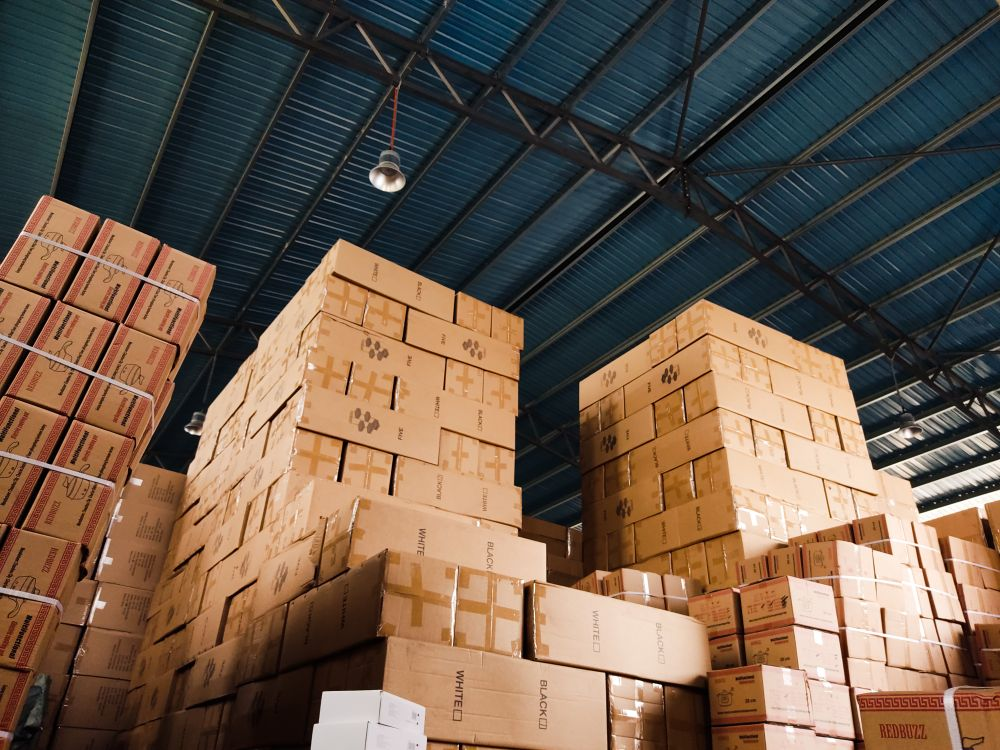
Harlech Foodservice is planning a £3.5m expansion of its headquarters at Llanystumdwy in Gwynedd, adding warehouse space, freezer capacity, and delivery vehicles as annual sales move towards £75m.
Turnover has increased by 25% during the past year following the opening of depots in Caerphilly and Telford. Those locations extended the family owned distributor’s reach across South Wales, the North West, the West Midlands, and English border counties.
Employment is expected to rise from approximately 320 to 370 over the next several years, while the business is targeting annual sales of £120m by 2029. That trajectory follows a recovery from £18m in 2021, when pandemic restrictions sharply reduced hospitality and foodservice demand.
The Llanystumdwy project will increase the ambient, chilled, and frozen stock available for distribution. Additional vehicles will expand route capacity and support a larger customer base across a geographically broad operating area.
Harlech supplies hospitality, education, healthcare, leisure, and other foodservice operations, carrying products from Welsh manufacturers including Llaeth y Llan, Radnor Hills, Edwards the Welsh Butcher, and Snowdonia Cheese alongside national and international brands.
As product range and order volume expand, the warehouse must control more stock keeping units, suppliers, batch codes, date ranges, temperature requirements, and picking locations. Physical capacity alone will not prevent congestion or errors unless goods receipt, put away, replenishment, selection, and dispatch remain synchronised.
Freezer space carries particularly high capital and operating costs. Insulated construction, refrigeration plant, doors, monitoring, defrost cycles, emergency systems, and backup arrangements must protect stock continuously while supporting rapid picking and vehicle loading.
Cold capacity must become usable throughput
Foodservice customers commonly order smaller mixed quantities than retail distribution centres. One vehicle may carry frozen, chilled, and ambient cases for several kitchens, with each delivery requiring the correct products, temperatures, sequence, and documentation.
That order profile creates considerable travel inside a warehouse. High velocity products need accessible positions without allowing slower lines to occupy the most productive space, while seasonal demand, school terms, hospitality events, and menu changes can alter product movement quickly.
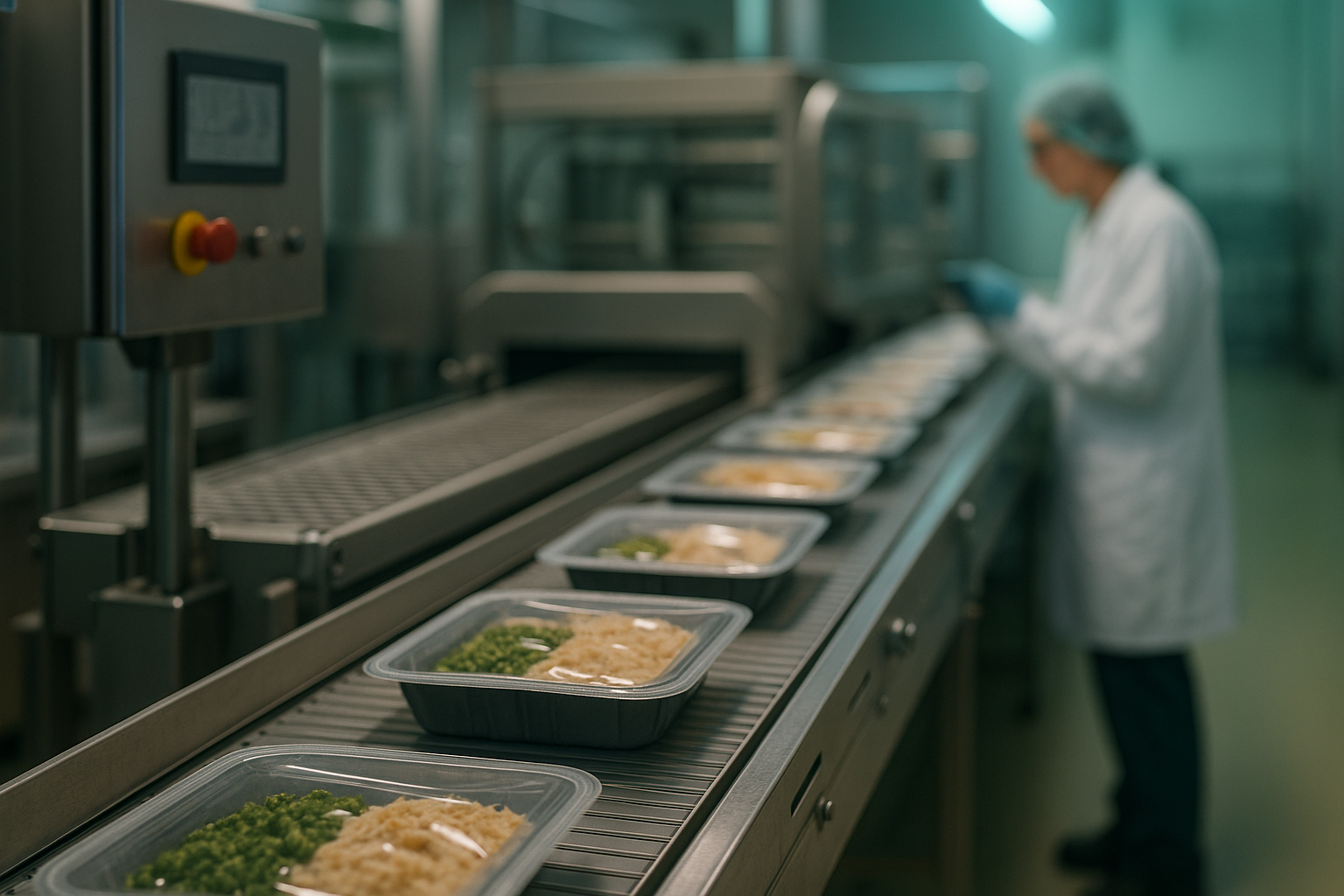
Temperature separation complicates consolidation because frozen products should spend minimal time outside controlled storage. Chilled and ambient goods may be picked in different zones before the complete order is assembled, leaving dock design, staging space, and departure schedules to determine whether the cold chain remains intact during peaks.
Picking technology can reduce error without removing the flexibility needed for irregular food cases. Oakland International’s eighth pick by light installation now guides staff through chilled, frozen, and ambient orders at Redditch, combining semi-automated instruction with manual handling.
Manufacturing warehouses are making similar investments. Herba Ricemills increased warehouse productivity by 25% after installing a 5,400 pallet automated system, while picking errors fell by more than 95%.
Harlech has not detailed the level of automation planned for Llanystumdwy, but the expansion creates scope to review warehouse management, scanning, voice or light guided picking, replenishment logic, route planning, and energy monitoring alongside the physical building.
Fleet capacity must grow in parallel with storage because an enlarged warehouse can simply move the bottleneck into dispatch. Vehicle availability, driver hours, loading windows, refrigeration, maintenance, fuel or charging, and customer access all influence the number of orders completed each day.
Regional food sourcing also depends on aggregation. Smaller manufacturers may produce enough volume for schools, hotels, hospitals, and care settings without maintaining the fleet or sales infrastructure needed to serve those customers directly.
A distributor can combine local products with the wider basket required by each kitchen, although that model brings responsibility for specifications, allergen data, traceability, date control, and recall management across a large range.
Energy consumption will rise as freezer capacity increases, placing greater value on efficient refrigeration plant, door discipline, heat recovery, monitoring, maintenance, and carefully managed set points. Electricity savings must be achieved without weakening product safety or creating temperature variation during loading.
Fast expansion can also increase working capital requirements because more stock is held across a broader network. Forecasting and inventory accuracy become more important when slow moving frozen goods occupy expensive space or short life chilled products risk expiry.
Harlech’s proposed investment reflects the recovery and consolidation of regional foodservice demand. Reaching £120m in sales will depend on how effectively the company converts additional space, refrigeration, vehicles, systems, and labour into accurate deliveries across an increasingly complex network.