IN Brief:
- The 36,000-bottle-per-hour line passed low-acid aseptic validation on its first attempt.
- A Contipure AseptBloc is integrated with UHT treatment, labelling, and dry-end equipment.
- Validated local capacity will support shelf-stable juice and iced-tea production in Mongolia.
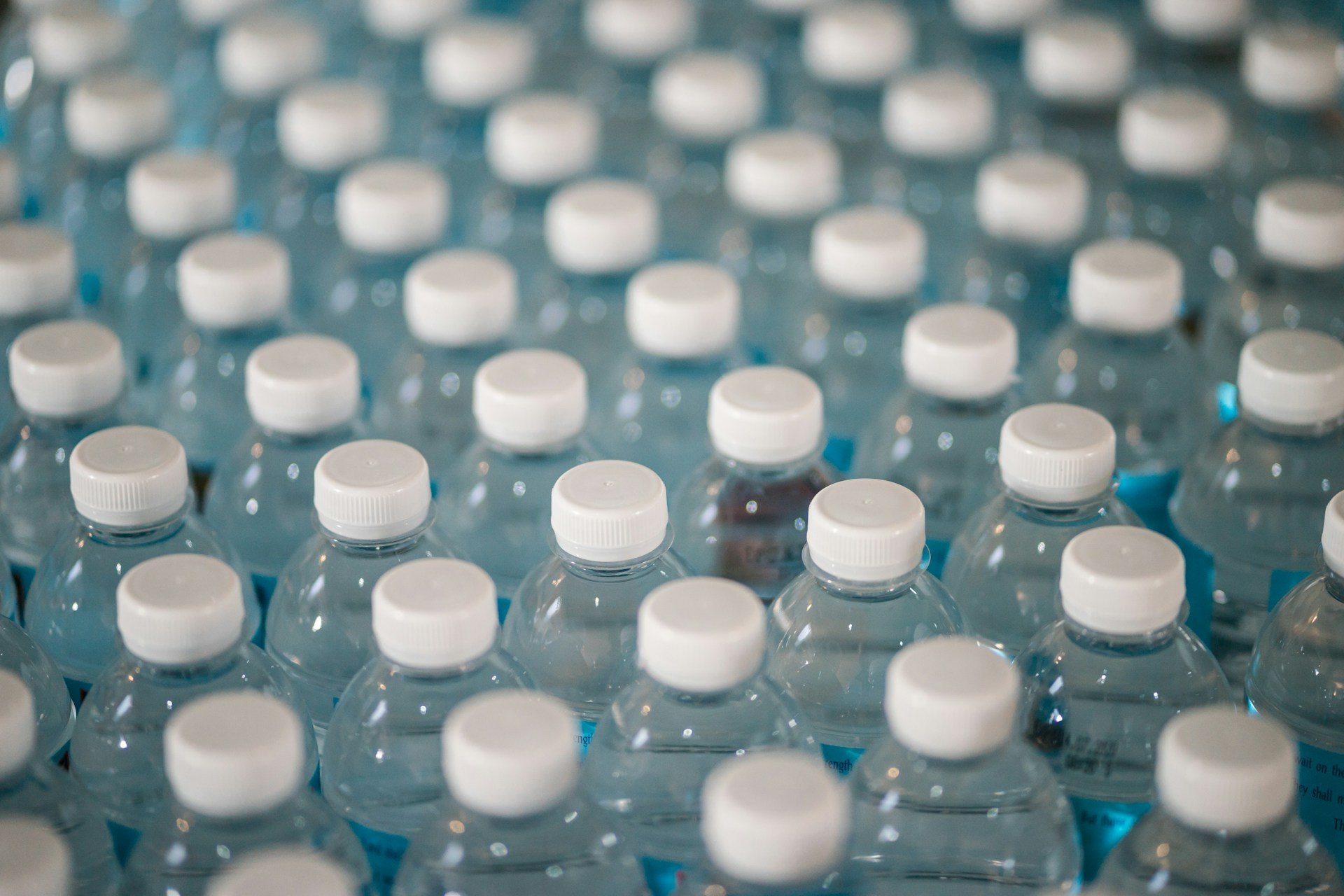
Krones has completed low-acid aseptic validation of a turnkey beverage line installed for MCS Coca-Cola in Mongolia, establishing the country’s first complete dry aseptic bottling system.
The line is designed to produce iced tea and fruit juice at up to 36,000 bottles an hour. A Contipure AseptBloc integrates bottle blowing, filling, and capping, while a VarioAsept UHT unit prepares the beverage before it enters the sterile filling section.
Krones has also supplied labelling machinery, conveyors, and dry-end equipment, giving the project a single line architecture from preform handling through to sealed and labelled bottles. Two additional container formats were accepted during validation, expanding the range of products and packs that can be produced through the installation.
The system passed aseptic validation on its first attempt. Low-acid products require stringent microbiological control because they can support microbial growth if product treatment, packaging sterilisation, closure handling, or the filling environment falls outside the validated state.
Unlike conventional hot filling, aseptic production sterilises the beverage and packaging separately before filling under controlled conditions. The approach can reduce thermal damage to flavour, colour, and nutrients, while producing a shelf-stable drink that does not depend on refrigerated distribution.
Within the Contipure AseptBloc, bottles are formed from preforms before entering the sterile filling and capping stages. Integrating these operations reduces the number of open transfers between separate machines and allows container production, treatment, filling, and closure application to be managed as one coordinated process.
The VarioAsept unit uses ultra-high-temperature treatment to reach the required microbiological result before the beverage is routed to the filler. Temperature, flow rate, holding time, pressure, and sterile routing must remain within the validated range without exposing tea and fruit components to unnecessary heat.
A complete line also depends on equipment beyond the aseptic block. Labelling, accumulation, inspection, conveying, secondary packaging, pallet handling, and controls must operate at compatible speeds, otherwise downstream congestion or upstream starvation will reduce the output available from the filler.
Local production changes the distribution model
Installing aseptic capacity within Mongolia allows MCS Coca-Cola to produce sensitive shelf-stable beverages closer to demand rather than relying solely on imported finished products. Finished drinks can be stored and distributed without a continuous cold chain, provided packaging integrity is maintained throughout warehousing and transport.
More production responsibility consequently moves into the factory. Ingredients, preforms, caps, labels, and secondary packaging must meet tight specifications, while technical teams need the training and procedures required to preserve sterility through production, cleaning, maintenance, and restart.
Aseptic systems require disciplined operating controls because the sterile boundary can be compromised by a small procedural or mechanical deviation. Cleaning and sterilisation sequences, filter integrity, environmental monitoring, intervention rules, and component replacement all form part of the validated process.
Passing validation on the first attempt reduces the period between installation and commercial production. Failed validation can delay launches, extend contractor and technical-team involvement, and expose design or procedural weaknesses after the main capital work has been completed.
Format flexibility will become increasingly valuable as beverage ranges fragment across flavours, functional ingredients, sugar levels, bottle sizes, and market-specific labelling. Each new combination introduces changeover work and creates additional requirements for cleaning, coding, inspection settings, and packaging-material control.
European beverage investment is following a comparable shift toward tighter integration between raw materials and filling operations. Suntory’s programme to bring Ribena blackcurrant processing closer to its Coleford factory links ingredient handling and finished-drink production more directly, reducing transport between process stages while increasing the need for coordinated site planning.
The Mongolia installation also illustrates the international production network behind European machinery suppliers. Equipment and engineering are drawn from several Krones locations, including the VarioAsept unit produced in Taicang, China, while validation and service are delivered against a common process standard.
Once commercial runs begin, maintaining the validated state becomes an everyday operational duty. Equipment wear, seal changes, maintenance interventions, recipe changes, and operator turnover can all affect sterile performance unless they are managed through approved procedures.
Production data from the UHT unit, aseptic block, cleaning systems, and quality controls will need to show that each batch remained inside specification. Aseptic release depends on documented process performance as well as finished-product testing, since microbiological failures may not become immediately visible.
The 36,000-bottle-per-hour rating gives MCS Coca-Cola substantial capacity, although sustained output will depend on line efficiency, material supply, changeover duration, cleaning, and downstream availability rather than nameplate speed alone.
Successful validation provides the foundation for that work. The next phase will test whether the complete system can deliver stable output across products and formats while preserving the microbiological controls established during qualification.
For Krones, the project adds a reference installation in a market where local aseptic processing can alter the economics of juice and tea production. For MCS Coca-Cola, it creates a platform capable of supporting a broader beverage portfolio without requiring a separate line for every low-acid product.