IN Brief:
- More than 1,700 workers rejected the union-recommended settlement on 3 August.
- Cargill has redirected cattle from Fort Morgan to plants in three other states.
- No new bargaining date or confirmed production restart has been announced.
Cargill workers have rejected a proposed settlement intended to end the lockout at the company’s Fort Morgan beef plant in Colorado, leaving more than 1,700 employees away from work and the processing operation idle.
Members of Teamsters Local 455 voted on Monday, 3 August, against the union-recommended agreement reached with Cargill the previous week. The terms were not disclosed, preventing a direct comparison with the company’s earlier offer or the union’s demands.
The lockout began on 20 May after employees rejected a previous contract proposal. Cargill closed the plant and redirected cattle to facilities in Kansas, Nebraska, and Texas, extending the production interruption across more than 70 days.
A Teamsters Local 455 spokesperson said: “Our members have spoken. They’re demanding more, and we expect to get back to the bargaining table as soon as possible.”
The rejection removes the clearest immediate route to restarting Fort Morgan. A tentative settlement had suggested that production could resume after a prolonged shutdown, but ratification remained necessary because the negotiating committee’s recommendation did not bind the wider membership.
Cargill said it was disappointed that employees had rejected the union-recommended settlement and was evaluating its next steps. The company added that it remained open to proposals from the union that aligned with the economic framework discussed during negotiations.
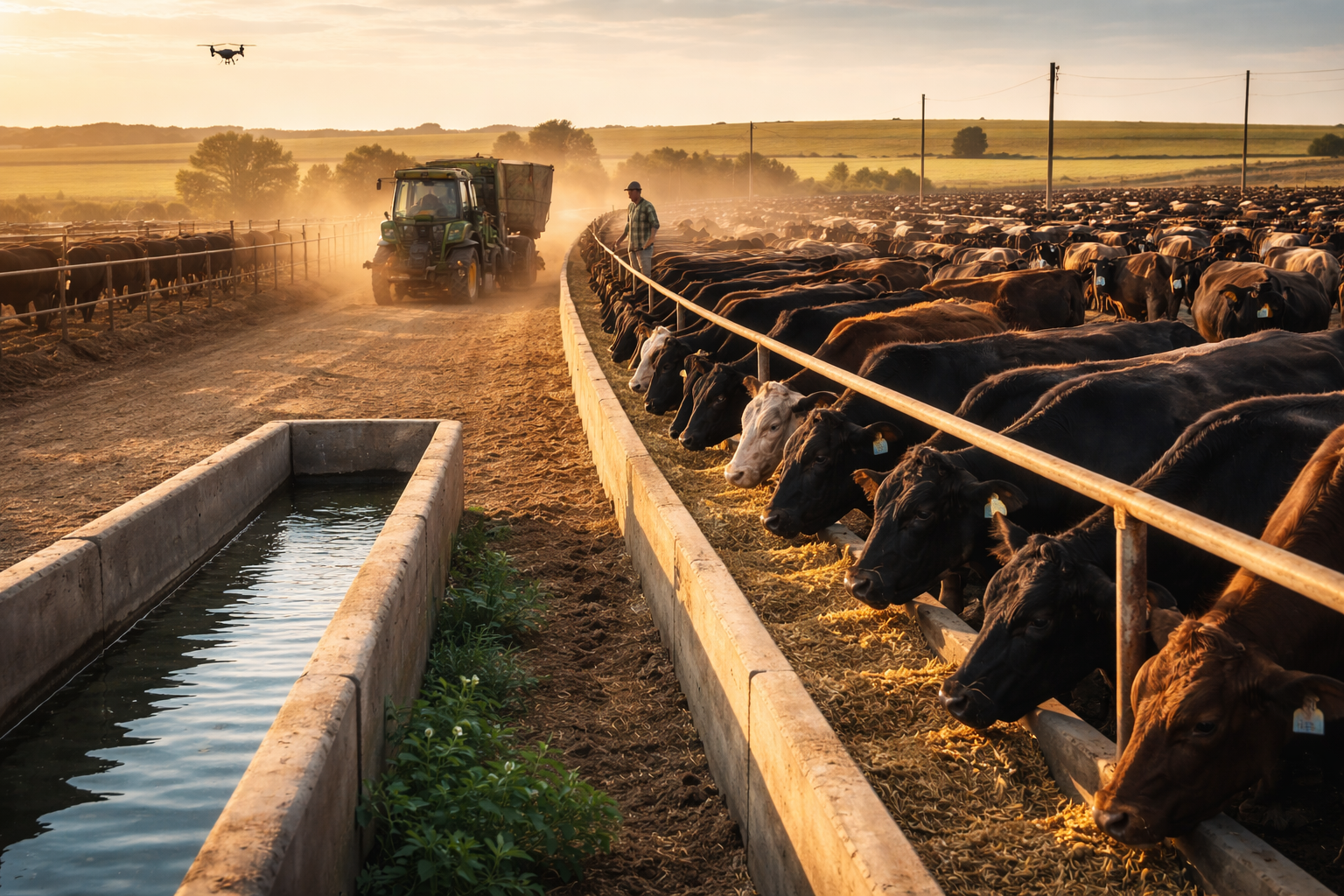
Fort Morgan processed about 4,000 cattle a day during 2025. An idle plant of that scale affects more than its direct workforce because cattle movements, transport planning, refrigeration, packaging demand, maintenance, utilities, and downstream beef supply must be reassigned or deferred.
Redirecting cattle can preserve group-level processing capacity, but it changes journey lengths, delivery schedules, and loading at the receiving plants. The company has not published the incremental transport cost or the proportion of Fort Morgan’s normal volume absorbed elsewhere.
The dispute is taking place during a difficult period for United States beef processing. Cattle supplies are tight, livestock procurement costs are high, and processors face pressure between the price paid for animals and the returns available from beef and by-products.
Those conditions shape the economics of an individual plant without settling the separate questions of wages, benefits, and working conditions. The latest agreement remains confidential, so claims about its value or structure cannot be tested against the public record.
The old labour agreement expired in February. The union has sought improvements to wages, healthcare, and safety protections, while Cargill has argued that any settlement must reflect the plant’s operating economics.
The operational consequences have accumulated during the shutdown. Idle equipment still requires inspection and maintenance, refrigeration and utility systems must be managed, and any restart would involve sanitation, raw-material scheduling, staffing, and food-safety checks before normal output could resume.
A meat plant cannot return immediately from a prolonged stoppage to full throughput. Livestock bookings, employee recall, shift coverage, veterinary inspection, cleaning, line testing, packaging supplies, and distribution capacity must be coordinated before production can stabilise.
The longer the closure continues, the more likely it is that cattle suppliers and customers adjust their plans around other facilities. Those changes can make a later restart more difficult because Fort Morgan must recover both physical throughput and its former place in the network.
Service businesses around the plant are also exposed. Hauliers, equipment contractors, local suppliers, and other businesses linked to the workforce lose activity when the site remains closed, while the city faces lower utility revenue from its largest employer.
Restart planning would also depend on the condition of chilled and frozen storage, water and wastewater systems, and the availability of packaging and maintenance crews. A negotiated settlement would settle the labour question without removing those commissioning tasks.
The vote does not establish that negotiations have failed permanently. It shows that the recommended settlement did not command enough support among the employees who would work under it, despite the financial pressure created by the lockout.
Both parties now have to decide whether to resume bargaining around the rejected framework or develop materially different terms. A return to negotiations would still leave practical restart work ahead, while a longer stalemate would continue shifting cattle and production through Cargill’s other plants.
No new bargaining date had been announced when the vote result became public. Until another agreement is reached and ratified, Fort Morgan remains a substantial beef-processing asset without a confirmed route back into production.