IN Brief:
- Scoular expects the Covington soybean dehuller to begin operating by mid-2027.
- The facility already cleans and colour-sorts identity-preserved food-grade soybeans.
- Covington will become Scoular’s second dehulling site after Andres, Illinois.
Scoular is adding a soybean dehuller at its Covington, Ohio, facility to support growing demand from food and beverage manufacturers using identity-preserved, non-GMO, and organic soybeans. The work will also test whether established grower relationships can support higher-value processing without weakening segregation discipline.
The employee-owned agribusiness expects the equipment to enter operation by mid-2027. Covington will become Scoular’s second dehulling site, following an installation commissioned at Andres, Illinois, in 2023.
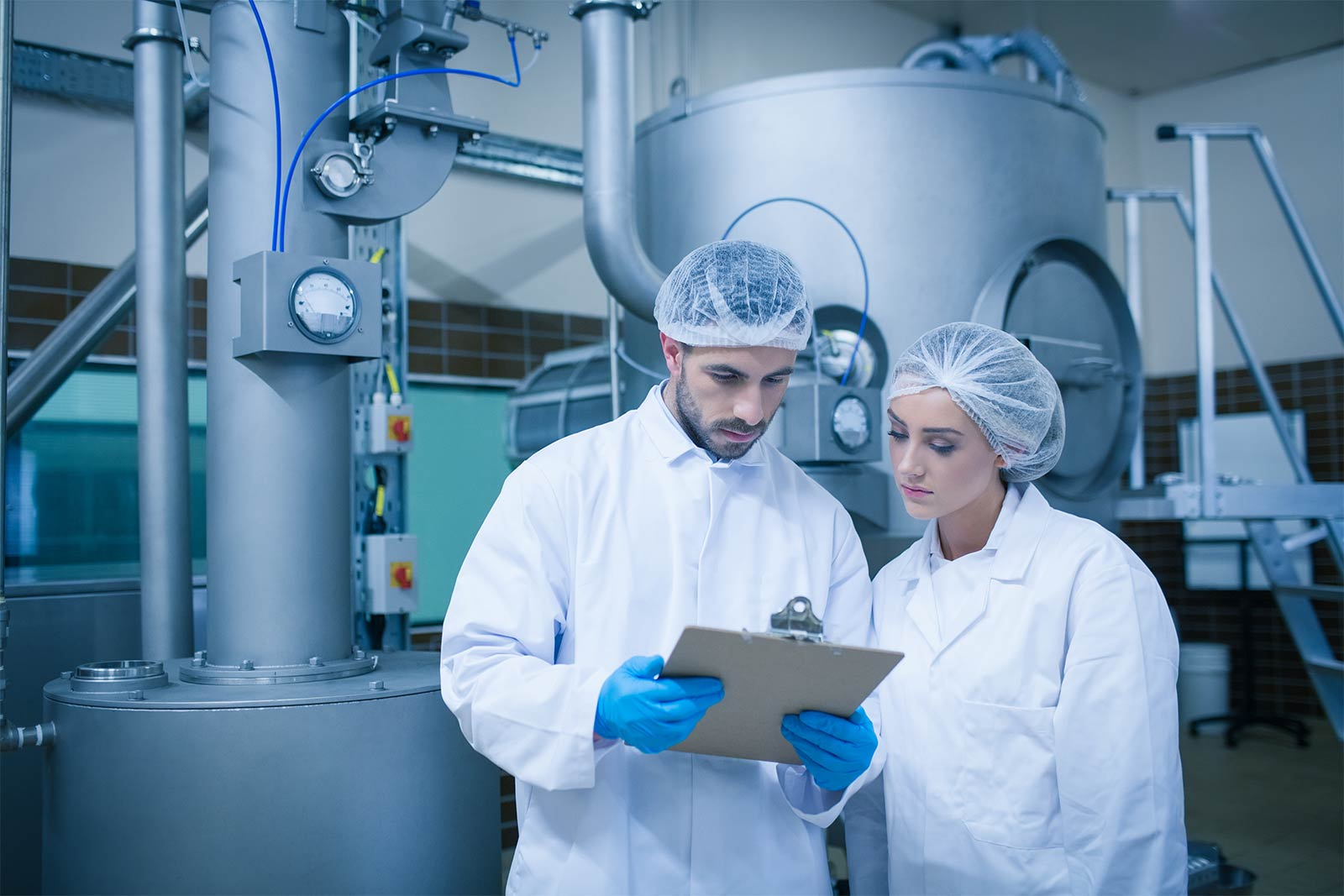
The Ohio plant already cleans and colour-sorts food-grade soybeans for domestic and export customers. Scoular said the existing equipment, experienced workforce, and surrounding grower network provide the operating base needed to add dehulling without creating a separate processing location.
Dehulling removes the soybean’s outer seed coat before further processing. The resulting material can offer a higher protein concentration and faster water absorption than whole beans, characteristics that influence extraction, texture, processing time, and finished-product consistency in products including soya milk.
Matt O’Hern, General Manager at Scoular, said: “Our investment at Covington is a direct result of the relationships we’ve built with both customers and producers. Our customers are growing and are looking for a reliable, long-term supply of high-quality dehulled soybeans, creating additional demand and opportunities for our producers who have made Covington a trusted supplier.”
The company has not disclosed the project’s capital value, designed throughput, equipment supplier, or expected employment effect. The absence of those figures limits any comparison with larger oilseed investments, although the decision to repeat a process already operating at Andres reduces some of the technical uncertainty.
Food-grade soybean processing requires tighter segregation than commodity handling. Identity-preserved, organic, and non-GMO crops need documented controls from contracted farms through storage, transport, cleaning, processing, and dispatch because mixing with other varieties can undermine customer specifications and certification claims.
Adding dehulling at the same site as cleaning and colour sorting should reduce external handling stages and place more of the quality chain within one operating system. It also introduces new control points for hull removal, broken beans, foreign material, dust, sanitation, and the separation of different customer programmes.
Colour sorting removes visibly defective beans and contaminants before further processing, while dehulling adds another specification measure. Incomplete removal can affect consistency, but excessive abrasion can reduce yield and increase the proportion of broken material.
The hulls form a separate co-product stream that must be collected, stored, and marketed or otherwise managed without interfering with food-grade production. Their value and destination will influence the economics of the installation alongside energy use, labour, maintenance, and the yield of saleable dehulled beans.
Scoular’s Covington operation depends on growers supplying food-grade varieties under controlled programmes. The investment therefore reaches beyond the factory boundary: farmers may gain another route to market, but they must continue meeting varietal, purity, traceability, and handling requirements that are more demanding than those for bulk commodity crops.
The company cited projected annual growth of nearly 14% in plant-based beverages through 2032. Forecasts vary by geography and category, and the dehuller will serve more than beverage applications, but the investment indicates that customers expect sufficient demand for processed soy ingredients to support additional capacity.
Soya beverage production typically includes soaking, grinding, extraction, heat treatment, formulation, and homogenisation. Starting with dehulled material can influence water uptake and reduce some insoluble components, although manufacturers must still manage flavour, protein recovery, sedimentation, heat stability, and microbiological control.
Commissioning will extend beyond installing the machinery. Scoular will need to validate cleaning and segregation procedures, demonstrate repeatable product specifications, train operators, and confirm that the material performs as expected in customers’ formulations.
Customer qualification may continue after the dehuller reaches its mechanical operating target. Food manufacturers often require trial batches, analytical results, traceability records, and evidence that the new source performs consistently before approving it for routine production.
The Covington plant forms part of a wider Scoular network spanning more than 100 offices and facilities. That network links crop origination, storage, processing, trade, and transport, giving the project a role in both ingredient manufacture and supply control.
The next meaningful disclosures will be the line’s capacity, qualification progress, and the volume of customer programmes transferred to or added at Covington. Until those figures emerge, the project is best treated as a targeted extension of an established food-grade soybean system rather than a disclosed step-change in North American processing capacity.