IN Brief:
- Nortech Foods has installed a fully automated Bag-in-Box production line at its Doncaster site.
- The initial 20-litre format covers seed oils including rapeseed and high-oleic sunflower oil.
- Planned smaller formats will test the line’s flexibility as the commercial range expands.
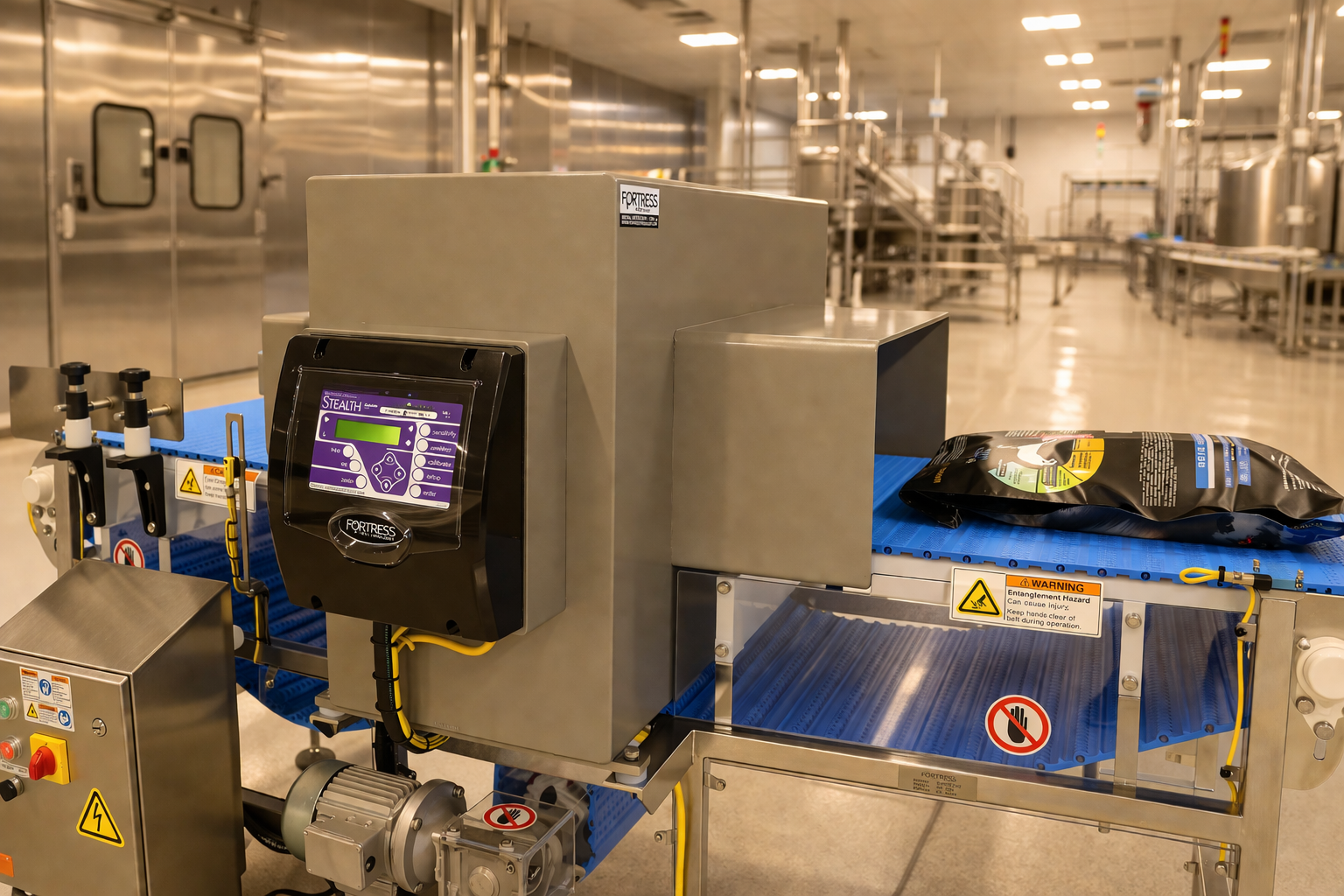
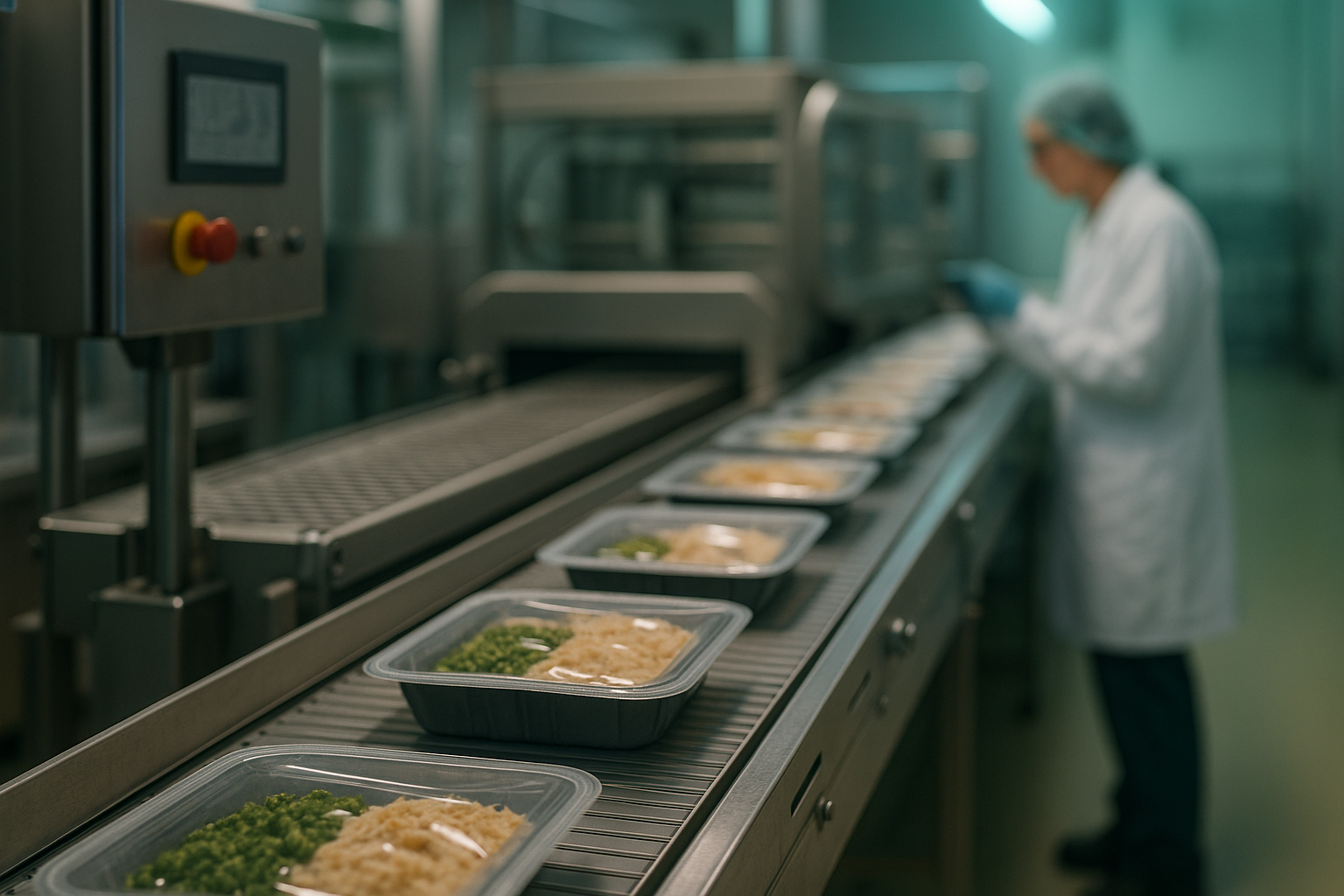
Nortech Foods has installed a fully automated line at its Doncaster site to produce seed oils in Bag-in-Box packaging, extending its edible-oil operation into a format aimed at food manufacturers, wholesalers, foodservice operators, and fish and chip businesses.
The company says it is the first UK manufacturer to produce seed oils in the format. The initial range is being supplied in 20-litre packs, with rapeseed oil, high-oleic sunflower oil, and vegetable oil among the products identified for the range, while smaller formats and further oil grades are planned.
Bag-in-Box replaces a conventional rigid container with a flexible inner bag held inside a corrugated outer case. That changes the production requirement around filling, sealing, pack handling, and palletisation, which is why the dedicated automated line is more significant than a simple change of container.
The square outer case is designed to use storage and vehicle space more efficiently than round or irregular rigid packs. Empty components can also be held flat before filling, while the corrugated outer can be separated from the inner bag after use and flattened for recycling or disposal.
Nortech has also designed the 20-litre pack around repeated handling. Handles at the top and bottom are intended to support lifting and controlled pouring, while the dispensing system is designed to reduce splashback. In commercial kitchens and production environments, those details affect how safely and consistently oils can be moved and dosed during a shift.
Leanne Green, sales and commercial manager at Nortech Foods, said the investment combines “improved usability, reduced plastic consumption and greater supply chain efficiency”.
The Doncaster line places the packaging format inside the manufacturing operation rather than leaving it as an outsourced repacking step. That gives Nortech direct control over fill accuracy, seal quality, changeovers, coding, and pack presentation, while automation limits the labour penalty that can accompany new packaging formats during early adoption.
Edible oils are an awkward test for lightweight packaging because the pack has to carry a relatively heavy liquid load through filling, storage, transport, and repeated dispensing. Any weakness in the inner bag, closure, carton, or handling method can quickly create leaks, product loss, and line disruption, so the commercial case depends as much on reliable production as on material reduction.
Rigid high-density polyethylene containers remain robust and familiar, but they use their full dimensional volume whether full or empty and require substantially more polymer than a thin flexible liner. Bag-in-Box shifts most of the structural load to the fibre outer, which can improve pallet density and reduce plastic per litre without removing the need for a food-contact barrier.
The automated line is therefore central to the economics. A packaging format that saves material can still increase cost if filling rates are low, changeovers are slow, or sealing defects create excessive rejects. Dedicated equipment gives Nortech a route to test the format at commercial throughput and expand the range without relying on manual packing.
Nortech operates from a 12-acre Doncaster site and is historically associated with beef dripping, lard, shortening, and specialist fats. The company has also invested in vegetable-oil packing facilities, so Bag-in-Box extends an established fats and oils operation rather than taking the business into a new product category.
Food-contact performance will also need to remain stable across the planned range. Oils vary in viscosity and handling characteristics, while changes in pack size alter fill volumes, case strength, and conveyor behaviour. The line therefore has to control more than nominal fill weight if the format is to remain reliable through storage and distribution.
The packaging choice also changes procurement upstream. Flexible liners, corrugated outers, closures, and printing become part of a coordinated pack specification, and a disruption in any one component can stop the finished format even when oil supply is unaffected. A dedicated line gives Nortech production control, but it also makes dependable packaging-component supply more important as volumes rise.
The next stage will be range expansion. Smaller pack sizes and additional oil grades will place more emphasis on format changeover, line flexibility, and quality control, particularly if the same equipment has to accommodate different viscosities, closures, or outer cases. Those factors will decide whether the format can move beyond a limited launch and become a routine part of Nortech’s edible-oil output.