IN Brief:
- Noble Foods has completed the sale of its former 115,000 sq ft egg-packing site in Witney.
- The property includes two warehouses, 19 loading bays, and 15.2 acres of vacant land.
- The buyer and exact multi-million-pound transaction value have not been disclosed.
Noble Foods has sold its former egg-packing site in Witney, Oxfordshire, in a multi-million-pound transaction completed by CBRE after the property became surplus to the producer’s requirements.
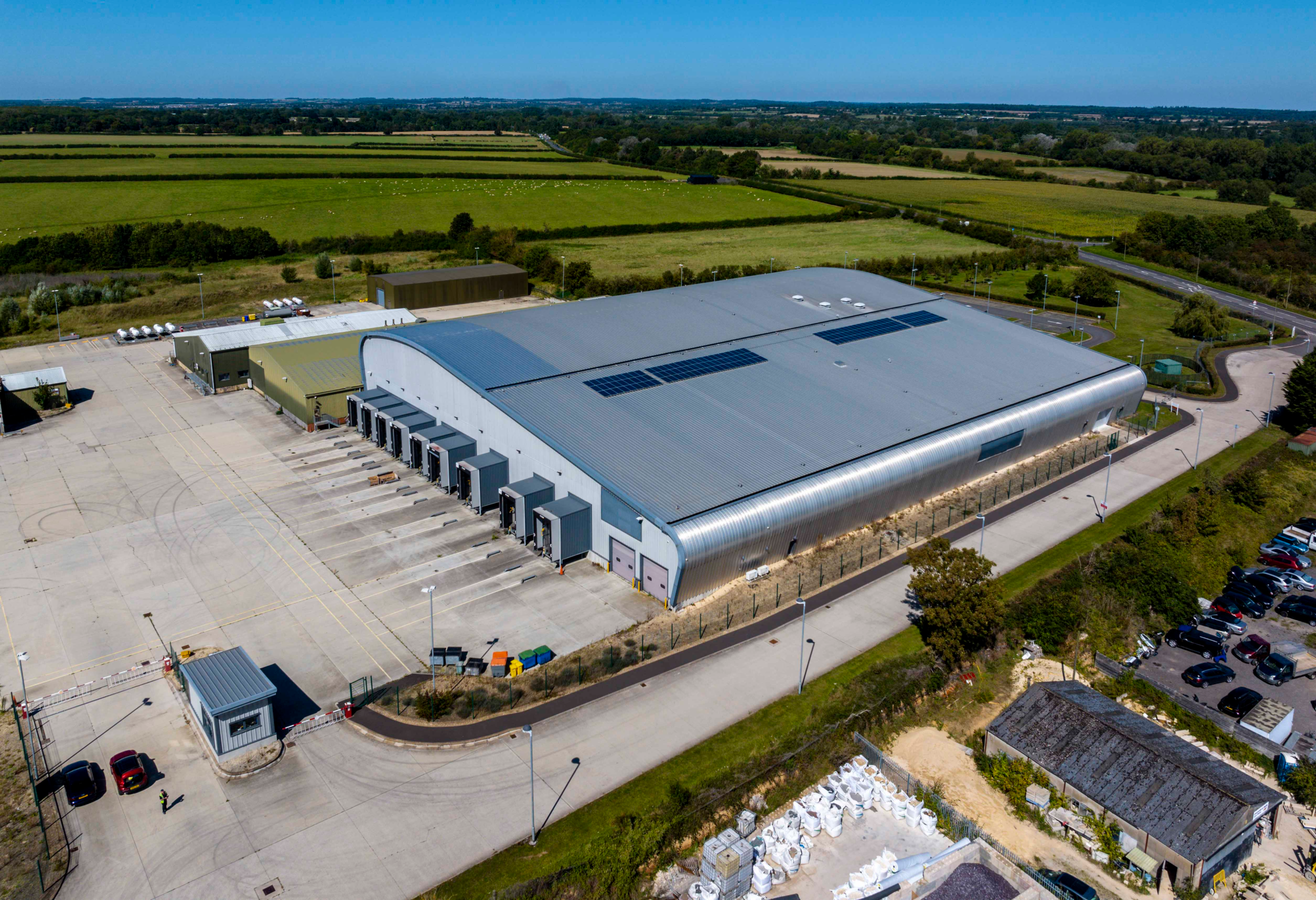
The self-contained industrial site extends to 115,000 sq ft and includes two office buildings, two warehouses, 19 loading bays, and additional storage buildings. A further 15.2 acres of vacant land comes with outline planning permission for additional warehouse development.
The buyer and exact sale price have not been disclosed. The site is next to Lakeside Industrial Estate in rural Witney, with access to the A40 and A420 and Oxford around 13 miles away, leaving the new owner with a large existing industrial footprint and room to expand it.
Will Cadbury, chief financial officer at Noble Foods, said: “When our Witney site became surplus to requirements, we were keen to find the right buyer who would be able to make the site purposeful again. The sale marks the start of an exciting new chapter for the Witney site and we’re grateful to CBRE for their support in structuring this deal.”
The disposal removes a former egg-packing asset from Noble Foods’ estate, but it comes while the company is investing elsewhere in added-value egg manufacturing. Noble Foods has developed a 10,000 sq m facility in Leicestershire for products including omelettes, egg bites, and frittatas, shifting capital towards prepared products rather than retaining every legacy packing property.
That pattern is familiar across food manufacturing, where buildings often outlive the process configuration for which they were designed. Packing, grading, warehousing, utilities, hygiene zoning, and dispatch requirements change as product mixes and automation levels move on, leaving some sites operationally redundant even when the wider business continues to invest.
A former egg-packing plant does, however, carry infrastructure that can retain industrial value. The Witney property already has warehousing and 19 loading bays, while the adjoining development land gives the buyer the option to add further storage or production space without relying entirely on the existing buildings.
Will Davis, associate director at CBRE, said: “This deal reflects the strong demand for industrial space both in Witney and across wider Oxfordshire. A self-contained site of this size is incredibly rare, especially in such a popular location. The fact it came with outline planning permission for additional warehouses was the cherry on top and made it the perfect site for a business looking to expand its operations.”
The next use of the property remains unknown. A food producer would still need to assess hygiene zoning, utilities, drainage, process flow, food safety controls, and any equipment left on site before treating it as a ready-made production facility, while a non-food occupier may place more value on the loading, warehouse, and development characteristics.
For Noble Foods, the sale is part of a broader reconfiguration rather than a standalone property transaction. The Leicestershire investment is designed around prepared egg products and has been planned for output of up to 1.6 million eggs per week at peak, with employment expected to rise in phases as production develops.
That creates a clear contrast between a site being released and another being built around newer product formats. Capital tied up in a redundant property can be converted into cash, while new investment is directed towards layouts and equipment designed for the company’s current processing strategy.
Any conversion will also depend on the condition and specification of the site services. Food factories often carry power, water, drainage, compressed air, refrigeration, and hygiene infrastructure that can be valuable to another processor, but those systems are rarely transferable without modification when the product and process change. The new owner will need to decide which parts of the previous packing operation justify retention.
The development land gives the property a second route to value if the existing buildings do not suit the eventual occupier. Outline permission for additional warehouses allows the site to support a larger logistics footprint, while the existing loading-bay arrangement already gives it a distribution function that can operate alongside manufacturing or storage.
The Witney buyer now controls a sizeable industrial site with planning headroom in a market where larger self-contained properties are comparatively scarce. Whether the former packing plant returns to food production or takes on another industrial use will determine how much of its previous infrastructure is retained, but Noble Foods has completed the disposal and removed the surplus asset from its operating footprint.