IN Brief:
- Odisha Food Pro 2026 generated 27 MoUs worth ₹41,748 crore and 12 further investment intentions.
- The state is prioritising processing clusters, cold chain, warehousing, certification, and workforce development.
- The proposed projects could create 43,316 jobs if they progress from commitment to commissioning.
Odisha’s state government has secured food-processing investment proposals worth ₹43,437 crore at Odisha Food Pro 2026, creating a project pipeline spanning manufacturing, cold chain, warehousing, quality systems, and supporting infrastructure.
The New Delhi investment roadshow produced 27 memoranda of understanding covering ₹41,748 crore of proposed investment and 35,252 potential jobs. A further 12 Investment Intent Forms were valued at ₹1,689 crore with the potential to support 8,064 additional jobs, taking the combined totals to ₹43,437 crore and 43,316 jobs.
Those figures describe proposed investment rather than commissioned capacity, and the distinction matters. Large food-sector roadshows can accumulate headline commitments long before land is secured, finance is closed, equipment is ordered, or production starts. Odisha’s next task is to convert the pipeline into individual projects with defined sites, construction programmes, and operating dates.
The state has set out five areas intended to support that conversion: specialised food-processing clusters; integrated cold-chain and warehousing infrastructure; stronger food quality and certification systems; closer links between farmer producer organisations, MSMEs, women’s self-help groups, and larger processors; and development of a more competitive skilled workforce.
Taken together, those priorities amount to an attempt to build an industrial system around the factories rather than simply attract isolated production lines. Food plants depend on reliable raw-material supply, utilities, refrigeration, transport, testing, waste handling, and trained operators. Weakness in any one of those areas can leave expensive processing assets running below their intended throughput.
Odisha has a broad agricultural and marine base, spanning 10 agro-climatic zones and a 575 km coastline. That gives processors access to crops, horticultural products, fisheries, and marine raw materials, but it also creates different preservation and handling requirements. A grain or pulse project has little in common with a chilled seafood plant once product reaches the factory gate.
Cold-chain development is therefore central to the state’s programme. Additional processing capacity for fish, dairy, produce, or other perishables only creates value when chilled and frozen storage can connect primary production with factories, distribution centres, ports, and customers. Temperature control failures upstream can reduce yield and shelf life before a production line has an opportunity to add value.
The same principle applies to warehousing. Food manufacturers need raw-material storage, packaging inventory, finished-goods capacity, and traceable stock movement, while seasonal crops can create sharp peaks in intake. Integrated storage projects can reduce pressure on processing sites and give manufacturers more room to separate production planning from the timing of harvests or landings.
Quality and certification form another part of the industrial proposition. Access to organised retail, export markets, and multinational customers depends on repeatable process control and documented compliance. Testing laboratories, traceability, audit systems, and certification can therefore determine whether a plant reaches higher-value markets even when its core processing equipment is technically capable.
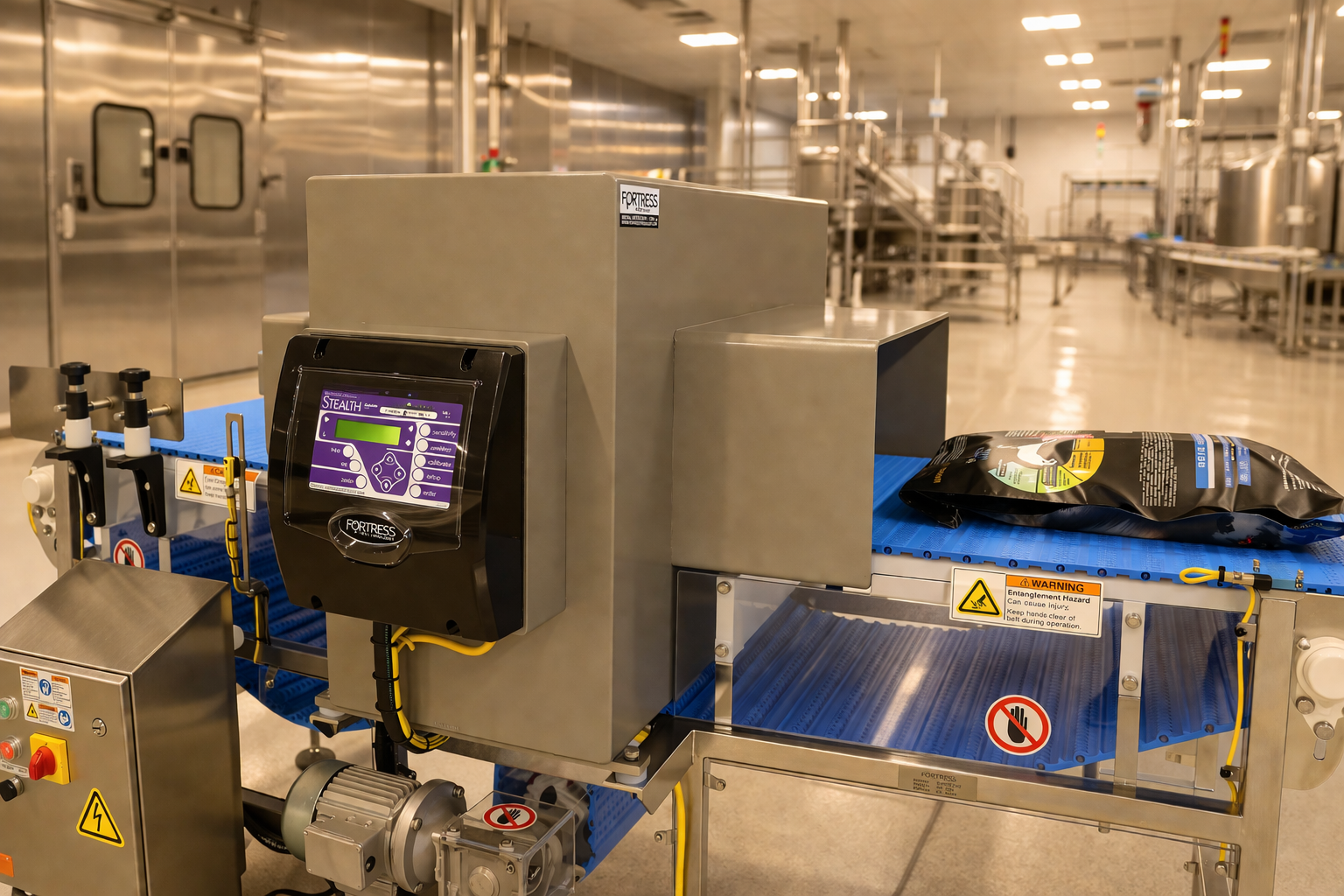
For equipment suppliers, the investment pipeline could create demand across thermal processing, refrigeration, drying, conveying, filling, packaging, inspection, automation, water treatment, and effluent systems. The actual mix will depend on which MoUs progress, but large processing clusters usually pull in utilities and logistics infrastructure alongside the headline manufacturing equipment.
Project execution will also depend on how quickly approvals, land allocation, power connections, water supply, and environmental requirements are resolved. Food factories frequently combine high water use, thermal loads, refrigeration demand, and organic effluent, so a site that appears attractive on a map can still become constrained by utility or waste-treatment capacity.
The state’s plan to connect farmer producer organisations and smaller businesses with organised processors addresses a different bottleneck: raw-material consistency. Larger plants need predictable volumes and specifications, while fragmented sourcing can create variation in size, moisture, maturity, contamination, or delivery timing. Stronger supplier organisation can improve factory utilisation as well as producer access to contracted demand.
Marine processing poses similar challenges. Odisha’s coastline gives it a natural base for chilled, frozen, and value-added seafood, but export-grade operations depend on hygiene, rapid chilling, inspection, and cold-chain integrity from landing point to dispatch. Investment in those supporting systems can have as much influence on commercial output as additional cutting, freezing, or packing capacity.
The employment projections indicate that the programme is intended to extend beyond a small number of highly automated flagship plants. More than 43,000 potential jobs across the combined proposals imply demand for production operators, engineers, maintenance staff, quality teams, warehouse workers, and logistics functions if the projects reach operation.
Odisha Food Pro has therefore produced a sizeable industrial pipeline, but the useful milestones now move away from aggregate investment figures. Site announcements, factory designs, equipment orders, construction starts, and commissioning dates will show how much of the ₹43,437 crore programme turns into operating food-processing capacity.