IN Brief:
- Purina will spend €50 million on two projects at its 40-year-old Portogruaro factory.
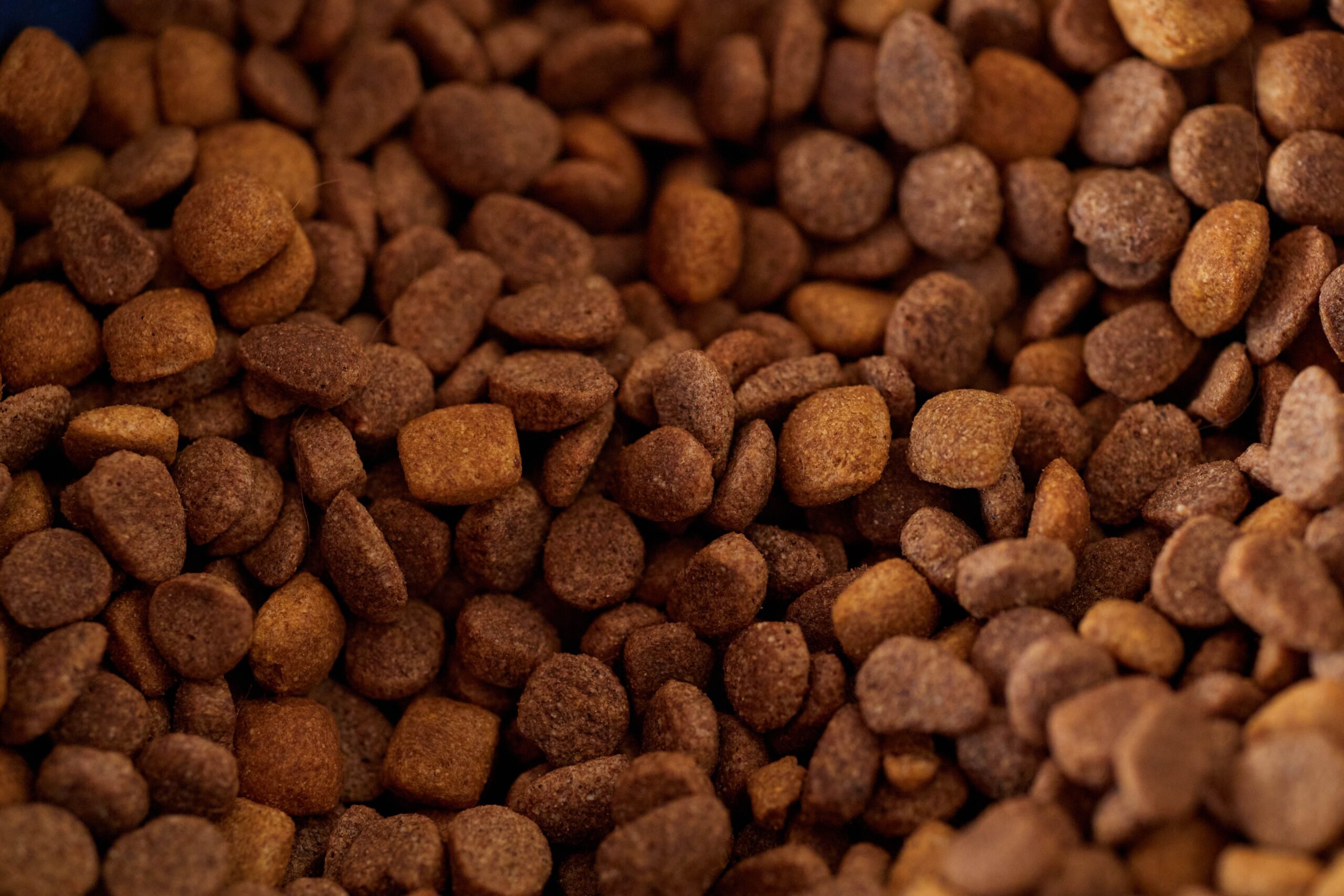
- The site is becoming increasingly focused on dry pet food, including premium and specialist products.
- Internal wastewater treatment will replace an activity currently handled by external facilities and reduce associated transport.
Purina will invest €50 million in its Portogruaro factory over the next three years, combining production upgrades with the construction of an internal wastewater-treatment plant.
The Italian site, which opened in 1986, produces food for cats and dogs and includes brands such as Purina Pro Plan and Purina One. The latest programme is split between two projects intended to support future production growth while changing how the factory manages wastewater.
Portogruaro is becoming increasingly focused on dry pet food as Nestlé develops a separate wet-food manufacturing and logistics hub at Mantova. That division gives the two Italian operations different roles within Purina’s European production network rather than creating overlapping plants.
The €50 million Portogruaro programme will upgrade the existing site as demand grows for super-premium and specialist nutrition. Expanding those categories places greater emphasis on formulation control, ingredient handling, product consistency, cleaning, and the ability to switch between recipes without compromising quality.
Modernising an operating factory also differs from equipping a new-build plant. Equipment installation, utilities work, commissioning, and validation have to be planned around live production schedules, with shutdowns managed to protect customer supply.
The second project brings wastewater treatment onto the site. Purina currently sends the relevant wastewater stream to external plants; the new facility will allow Portogruaro to manage that activity internally.
The company expects the change to reduce transport associated with off-site treatment and improve operational efficiency. It will also turn wastewater management into a more directly integrated factory function, tying treatment capacity and performance more closely to production schedules.
Food and pet-food factories generate wastewater with characteristics that can vary according to recipes, cleaning cycles, raw materials, and production volumes. An internal plant therefore has to accommodate changing flows and loads while meeting discharge requirements consistently.
That adds another critical utility system to the production site. Pumps, tanks, treatment stages, monitoring equipment, and controls require maintenance and operating expertise, while any failure has the potential to constrain manufacturing if wastewater cannot be handled within permitted limits.
Bringing treatment in-house also increases the importance of monitoring at the point where production and environmental compliance meet. Operators need reliable information on flows, treatment performance, and discharge quality, while engineering teams need maintenance access that does not compromise hygiene or interfere with production. Capacity has to allow for peak cleaning loads as well as routine process wastewater, particularly where recipe changes or sanitation cycles create short-term variations in demand.
The investment complements Nestlé’s much larger plan at Mantova. The group confirmed in July that it intends to spend around €560 million on an integrated Purina wet-food plant and logistics hub, with operations due to begin from 2029.
Portogruaro will remain concentrated on dry food, while Mantova will produce wet products. Nestlé has described the older site as one of Purina’s more advanced European factories in terms of production technology and environmental performance.
The distinction also changes how future Italian capacity is distributed. Rather than replacing Portogruaro with the new factory, Purina is allocating capital to both sites and separating their principal production formats.
That approach reduces the pressure to force additional wet-food capacity into an established dry-food factory while retaining the equipment, skills, supplier relationships, and workforce already built around Portogruaro. The €50 million programme extends the useful life and capability of that manufacturing base as Mantova is developed separately.
Pet food remains one of Nestlé’s major investment areas. The group put the Italian pet-care market at €5.3 billion in 2025, including €4.2 billion in pet food, when announcing Mantova, with wet cat food identified as a particularly fast-growing European segment.
Portogruaro’s programme is smaller, but its engineering challenge is more immediate. Work will be carried out at a factory already producing commercial volumes, so the sequencing of machinery upgrades, wastewater construction, commissioning, and production will determine how smoothly the capital is converted into usable capacity.
By the end of the three-year investment period, Purina intends Portogruaro to remain a principal dry-food operation supported by upgraded production assets and its own wastewater treatment. Mantova will add the complementary wet-food capacity later in the decade, creating two distinct manufacturing centres inside the company’s Italian network.