IN Brief:
- Kikkoman's 240,000 sq ft Jefferson facility represents an investment of approximately $560 million over ten years.
- Soy-sauce brewing began in May 2026, with commercial shipments scheduled to start in October.
- Flexible production, multiple packaging formats, paperless operations, real-time data, and enhanced traceability are built into the plant.
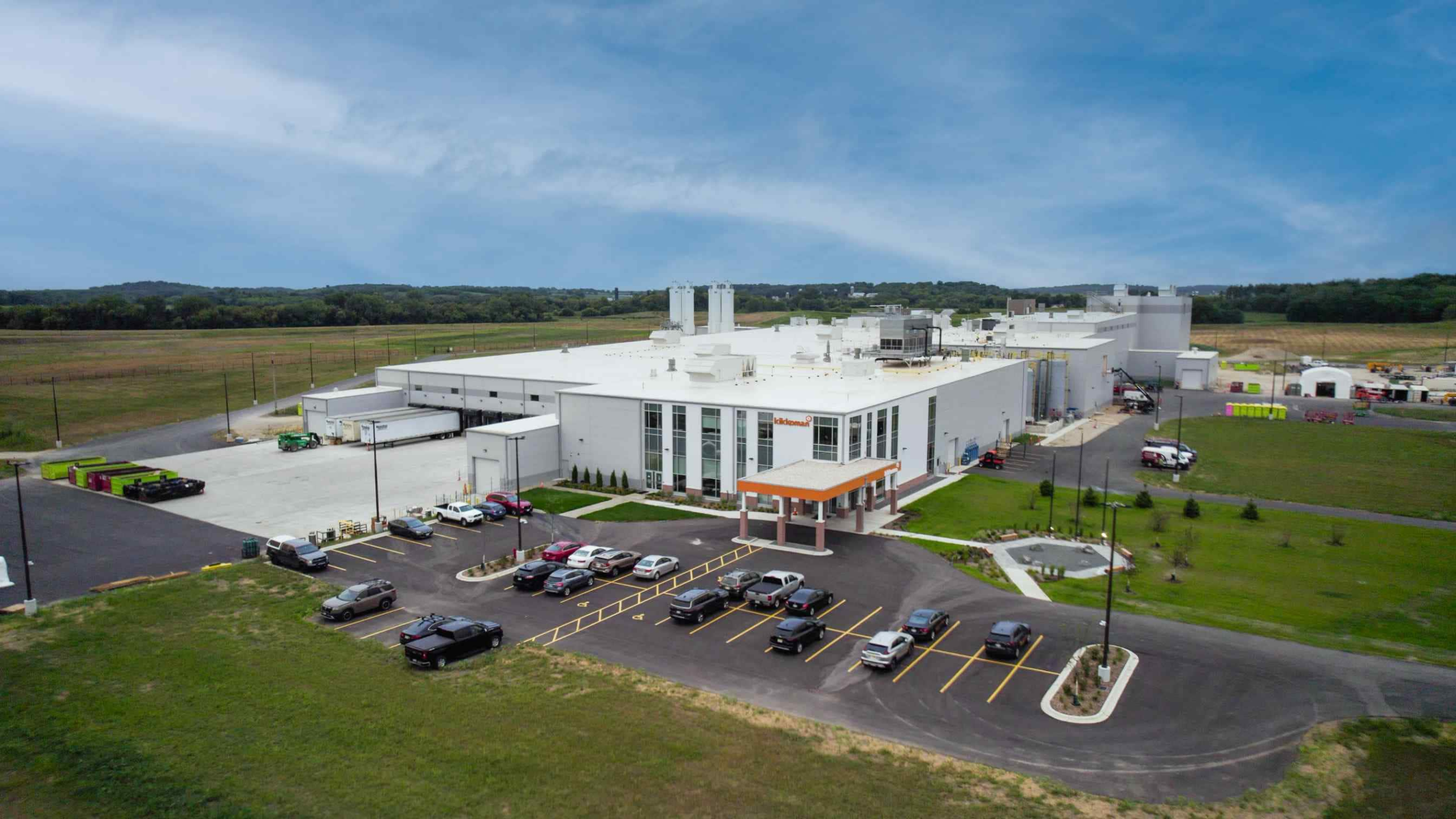
Kikkoman has opened its third US manufacturing plant in Jefferson, Wisconsin, adding a 240,000 sq ft brewing and packaging facility designed to expand North American capacity across retail, foodservice, and industrial food customers.
The plant represents an investment of approximately $560 million over ten years. Soy-sauce brewing started in May 2026, with commercial shipments scheduled to begin in October following commissioning and production ramp-up.
Jefferson joins Kikkoman Foods’ established manufacturing operations at Walworth, Wisconsin, which began shipments in 1973, and Folsom, California, which followed in 1998. The new factory is also the Kikkoman Group’s ninth soy-sauce production base outside Japan.
The additional site gives the company capacity beyond its long-established Walworth operation while remaining close to the agricultural and manufacturing base it has developed in Wisconsin over more than five decades.
Kikkoman says the Jefferson plant can manufacture soy sauce, teriyaki sauce, and other seasonings for consumer, foodservice, and food-manufacturing customers. Its production layout is designed to accommodate products with different viscosities and specifications rather than operating around one narrowly defined sauce format.
Packaging flexibility is built into the same arrangement. The facility can handle glass, BPA-free plastic containers, and industrial and bulk formats, allowing output to be divided between consumer packs and larger volumes intended for commercial kitchens or food-manufacturing customers.
That breadth places greater demands on filling and line-control systems. Changes between pack materials and sizes can require different handling, filling, closure, inspection, coding, and case-packing conditions, while higher-viscosity sauces create different process requirements from lower-viscosity products.
The plant also incorporates digital manufacturing systems intended to support paperless operations, real-time production-data visualisation, and enhanced traceability. Those tools sit alongside a fermentation process that still depends on controlled raw materials, brewing conditions, maturation, blending, and finished-product quality.
Traceability is particularly important where the same factory serves several customer channels. Raw-material lots, process batches, packaging components, finished packs, and bulk production have to remain identifiable even as product and format changes move through the plant.
Kikkoman selected Jefferson after assessing multiple Midwestern locations. The company has highlighted proximity to agricultural suppliers, suitable water, and the existing Wisconsin workforce as factors supporting the project.
Water is fundamental to soy-sauce brewing as both an ingredient and a manufacturing utility. Kikkoman has set environmental targets that include reducing water consumption per unit by more than 30%, cutting carbon dioxide emissions by more than 50%, and reaching a 100% recycling rate by 2030.
Achieving lower unit consumption while increasing production requires the environmental improvements to be integrated into manufacturing rather than treated independently. Cleaning systems, process efficiency, utilities, recovery measures, and production scheduling all influence water and energy performance once commercial volumes rise.
The new plant is entering service against continuing North American demand. Kikkoman says its regional soy-sauce business has grown at an average annual rate of more than 6% over the past decade, while shipments from Walworth have continued to increase.
Building a separate plant rather than repeatedly extending one established site also creates resilience and layout advantages. New equipment can be arranged around current process and digital requirements without being constrained entirely by a factory whose manufacturing history stretches back more than 50 years.
The commissioning sequence is significant for a fermented product. Beginning brewing in May ahead of October shipments gives the site time to establish process stability, utilities, quality systems, material flows, packaging performance, and warehouse operations before commercial supply begins at scale.
The plant’s flexibility will ultimately be tested by how efficiently it switches between product and packaging specifications. A line capable of handling many formats only creates useful capacity if changeovers, cleaning, recipe control, and quality verification can be completed without excessive downtime or waste.
Kikkoman’s Jefferson investment therefore adds more than nominal volume. It gives the group another North American manufacturing base with flexible packaging, digital production systems, and capacity spanning consumer and industrial customers, while reducing the extent to which regional growth depends on its older Wisconsin factory.
With brewing under way and first shipments scheduled for October, the project is moving from construction into routine manufacturing. The next measure will be how quickly the $560 million programme converts the plant’s flexible design into stable output across its different products and customer channels.