IN Brief:
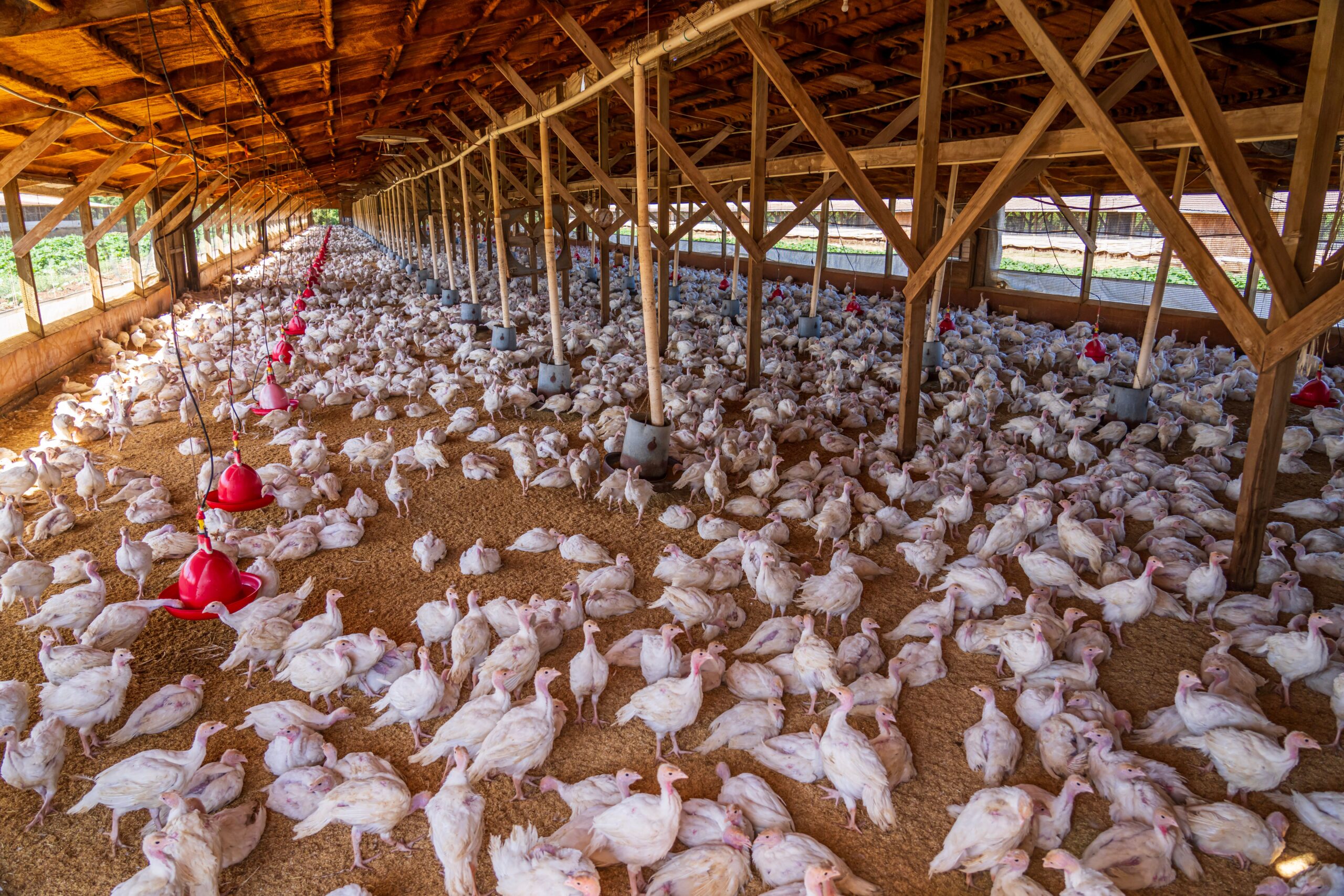
- FSA records show 22,633 poultry affected by heat stress in June 2026 and 12,353 in July.
- The strengthened Extreme Weather Reporting Protocol extends reporting during amber alerts and treats every heat-stress case as urgent.
- Drought restrictions also interrupted operations at one poultry abattoir by limiting its water supply.
Food Standards Agency has strengthened its extreme-weather controls after official records showed a sharp increase in poultry affected by heat stress during the summer of 2026.
The agency recorded 6,110 poultry affected in May, 22,633 in June, and 12,353 in July. The equivalent figures for 2025 were 1,974, 2,402, and 1,443 respectively.
Pig cases also increased, reaching 501 in June compared with 75 during the same month last year. The figures cover welfare problems identified on farm or during transport and subsequently recorded through the regulatory system.
The FSA does not enforce animal-welfare law on farms or during transport, but its presence inside approved slaughterhouses places Official Veterinarians and other staff at the receiving end of the supply chain. Cases linked to transport or farm conditions can therefore be identified at the plant and referred to the Animal and Plant Health Agency or local authorities.
Urgent incidents are escalated immediately, while the agency also uses an Extreme Weather Reporting Protocol developed with Defra, the Welsh Government, and APHA. Introduced in 2023, the system coordinates reporting during periods of severe weather.
The protocol was reviewed in July after the increase in heat-related cases. Changes include extending reporting during amber weather alerts, classifying every heat-stress incident as urgent, strengthening guidance for Official Veterinarians, promoting additional industry mitigation, and developing earlier interventions with livestock transporters.
The revised arrangements were brought into operation from August. The FSA has since said its Extreme Weather Protocol was activated during all eight amber or red UK heat alerts recorded between May and August 2026.
High temperatures create several pressure points before animals reach the processing line. Stocking density, ventilation, journey duration, loading conditions, vehicle delays, and waiting times can all influence heat exposure during transport.
Conditions at the slaughterhouse then become part of the same chain. Arrival schedules, lairage capacity, ventilation, access to water, veterinary checks, and the speed with which distressed animals are handled can affect both welfare and factory throughput.
A surge in affected birds can therefore disrupt normal production even where the underlying welfare problem began before arrival. Additional inspections, altered unloading priorities, rejected loads, or changes to slaughter schedules can affect labour and line planning across the site.
The summer also exposed a separate infrastructure risk. The FSA reported that drought measures restricted the water supply to one poultry abattoir, preventing the site from operating until contingency arrangements were put in place.
Water reliability is fundamental to slaughter and food-processing operations. Plants depend on adequate supplies for hygiene, cleaning, handwashing, equipment sanitation, and other process requirements, leaving them unable to maintain normal production where the available volume or quality falls below the required standard.
Extreme heat can consequently affect both ends of the factory boundary: livestock arriving under greater physiological stress and utilities operating under wider pressure from drought or high demand.
That combination places more emphasis on communication between farms, hauliers, processors, veterinarians, and regulators. Changing collection times or reducing journey exposure may alter factory arrival patterns, while revised slaughter schedules can affect staffing, chilling, cleaning, dispatch, and downstream logistics.
Earlier intervention is central to the revised protocol. Extending reporting into amber alerts gives regulators and businesses more time to act before conditions reach the highest warning level, while urgent classification is intended to reduce delay once evidence of heat stress appears.
The FSA’s September Board material describes the summer increase as very significant and confirms that measures are now in place covering reporting, veterinary guidance, industry awareness, and transporter intervention.
The figures also provide a clearer basis for seasonal planning ahead of future hot weather. In June alone, the recorded number of poultry affected was more than nine times the corresponding 2025 figure, while pig cases rose more than sixfold.
Factory contingency plans will increasingly have to account for both animal arrivals and physical infrastructure during prolonged heat. Transport arrangements, lairage, water resilience, production scheduling, and communication with suppliers are connected operational controls when temperatures rise across the supply chain.
The strengthened protocol will now be tested against future alerts. Its effectiveness will depend on whether earlier reporting and intervention reduce the number of animals reaching slaughterhouses dead or suffering from heat stress, while allowing processors to adjust operations before welfare incidents translate into wider production disruption.