IN Brief:
- Coca-Cola Southwest Beverages has completed a $42 million expansion of its San Antonio bottling operation.
- The project adds 170,000 square feet of warehouse operations and a second production line.
- The expanded warehouse can hold 20% more product, increasing inventory capacity for seasonal and holiday demand.
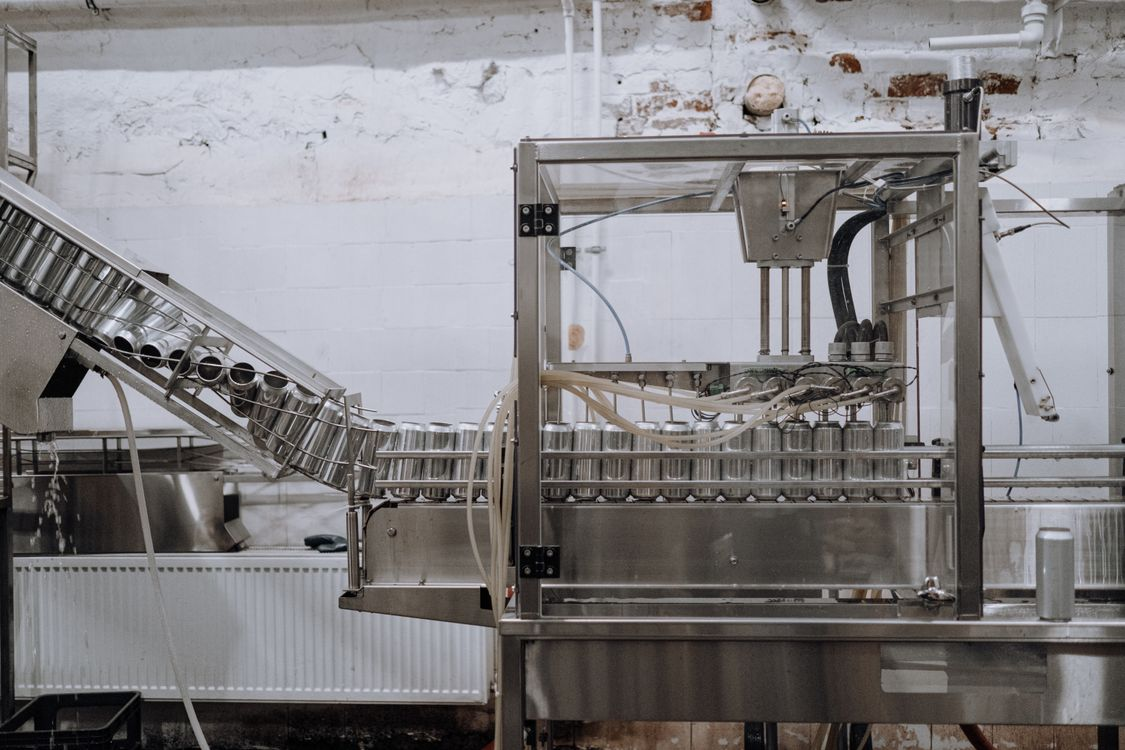
Arca Continental Coca-Cola Southwest Beverages has completed a $42 million expansion of its San Antonio bottling operation, adding a second production line and 170,000 square feet of warehouse operations to increase production and storage capacity.
The company marked completion of the project on 25 September, extending a San Antonio manufacturing presence that has operated for almost six decades. The investment is intended to provide additional capacity as beverage demand grows across Central Texas.
The enlarged warehouse can hold approximately 20% more product than before the expansion, giving the bottler additional inventory capacity to manage holiday demand and seasonal fluctuations. The second production line increases the manufacturing capability feeding that larger storage operation.
Coca-Cola Southwest Beverages is part of Mexican bottling group Arca Continental and serves Texas and parts of Oklahoma, New Mexico, and Arkansas. The business supplies more than 31 million consumers through a regional network that includes seven production plants and 37 sales and distribution facilities.
Nearly 900 people work at the San Antonio operation, making the site a substantial part of the company’s manufacturing and distribution footprint. Its geographic position gives the plant an important role in supplying Central and South Texas, where production capacity and warehouse availability have to operate together.
Beverage plants move large quantities of relatively heavy finished product, so factory location remains closely connected to distribution economics. Concentrating production into a small number of very large sites may improve asset utilisation, but every additional mile travelled by finished beverages adds transport requirements, inventory time, and exposure to disruption.
A regional bottling network balances those competing pressures by placing production closer to major consumption areas while retaining enough scale for efficient filling, packaging, maintenance, and quality control. Expanding an established site can therefore be more attractive than creating another plant if the existing operation has the workforce, utilities, logistics connections, and demand base to support additional output.
The San Antonio project increases both line capacity and finished goods space rather than addressing only one part of the operation. That alignment is important because filling speed alone does not determine the practical output of a beverage plant.
Empty packaging has to arrive at the line, ingredients and concentrates must be available, products require inspection and packing, finished pallets need space, and distribution vehicles must remove stock quickly enough to keep warehouse operations moving. Increasing only one element risks shifting the constraint elsewhere in the factory.
Additional warehouse capacity also gives production planners greater freedom to build stock ahead of predictable demand peaks. Beverage consumption can vary substantially with temperature, holidays, promotions, sporting events, and local activity, requiring manufacturers to decide when to produce against forecast demand rather than immediate orders.
Holding more finished inventory can reduce the pressure to manufacture every peak at the last moment, although that benefit comes with its own working-capital, stock rotation, and warehouse management requirements. The most useful capacity is therefore not simply empty floor space but storage that can be integrated into production planning and regional distribution.
The second line also gives the plant more options around maintenance and product scheduling. Beverage operations can involve numerous package formats and product variants, creating line changes and cleaning requirements even where the core process is highly automated.
Where two production lines have overlapping capabilities, planners may be able to schedule work with less dependence on a single production train. The exact level of redundancy at San Antonio has not been detailed publicly, but the additional line increases the number of production resources available to the site.
Arca Continental has positioned the investment as part of a wider programme across its US territory, with capital also directed towards Fort Worth, Houston, and Waco. The pattern points to growth being supported through existing regional infrastructure rather than through one isolated expansion.
The San Antonio project now moves from construction to utilisation. The physical expansion is complete, but its manufacturing value will be determined by how effectively the additional line, warehouse space, labour, and distribution network operate as one system.
For a bottler serving tens of millions of consumers, that integration carries more weight than the headline square footage. A second line can create output and a larger warehouse can absorb it, but the return on the $42 million investment ultimately depends on keeping products moving through both.