IN Brief:
- Teagasc’s Irish ROSETTA pilot converts safe vegetables rejected by marketing standards into ingredients and finished food concepts.
- More than 100 recipes have been developed, spanning bread, fermented vegetable products, and confectionery applications.
- Industrial scale-up is constrained by drying capacity, processing infrastructure, food safety requirements, regulation, and links between growers and processors.
Teagasc has developed more than 100 food formulations using vegetables that fall outside commercial marketing specifications, moving its Irish ROSETTA pilot from proof of concept towards the processing, safety, and supply questions that determine whether rejected produce can become a dependable manufacturing input.
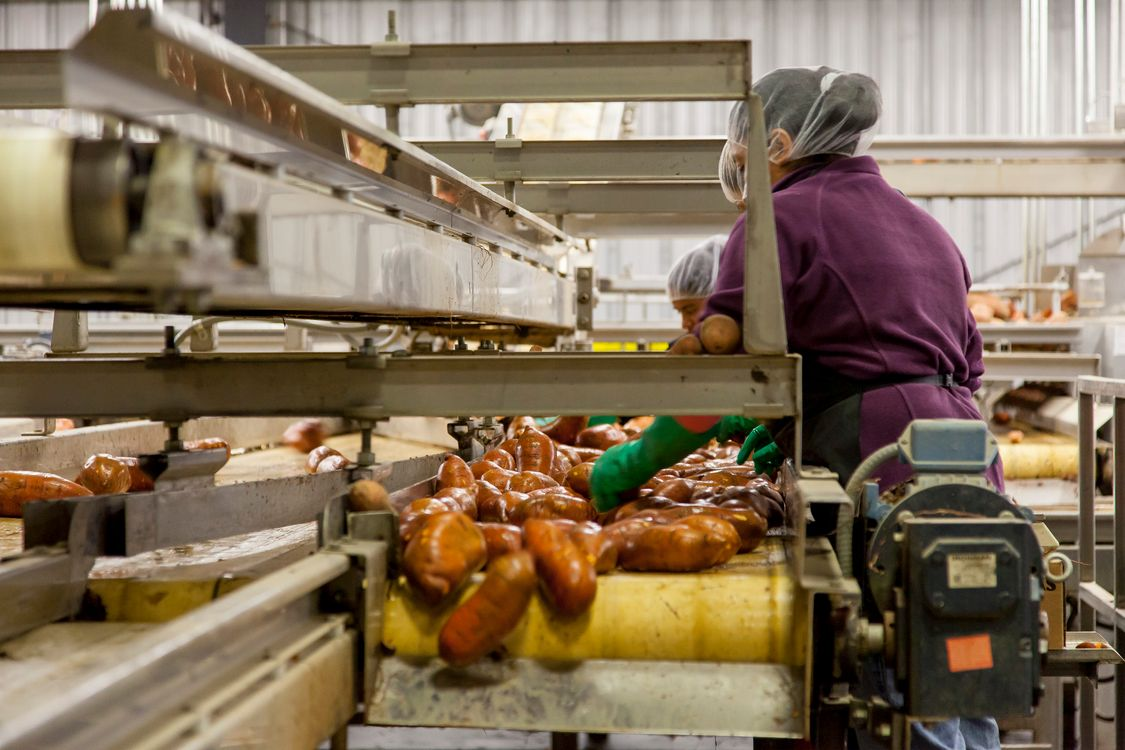
The Horizon Europe project focuses on fruit and vegetables that remain safe to eat but do not meet the appearance or other marketing standards required for their original route to market. Researchers at the Teagasc Food Research Centre in Ashtown have used those materials to develop ingredients and finished concepts including bread, fermented carrot stalks, and chocolate bonbons.
A recent demonstration brought growers, food manufacturers, policymakers, and other organisations together to review the pilot and examine the barriers to wider commercial use. The work is based on a Systematic Food Valorisation Framework developed at Teagasc’s National Prepared Consumer Food Centre.
Rather than treating surplus vegetables as one homogeneous waste stream, the framework considers what a particular raw material can become, the processing needed to stabilise or transform it, and where the resulting ingredient or product could fit within a viable food application.
That distinction is essential because produce rejected against marketing specifications is not automatically ready to enter another production process. Moisture content, microbiological status, maturity, composition, shelf life, and available volume can vary substantially, while a manufacturer needs material that behaves consistently enough to meet a recipe and production schedule.
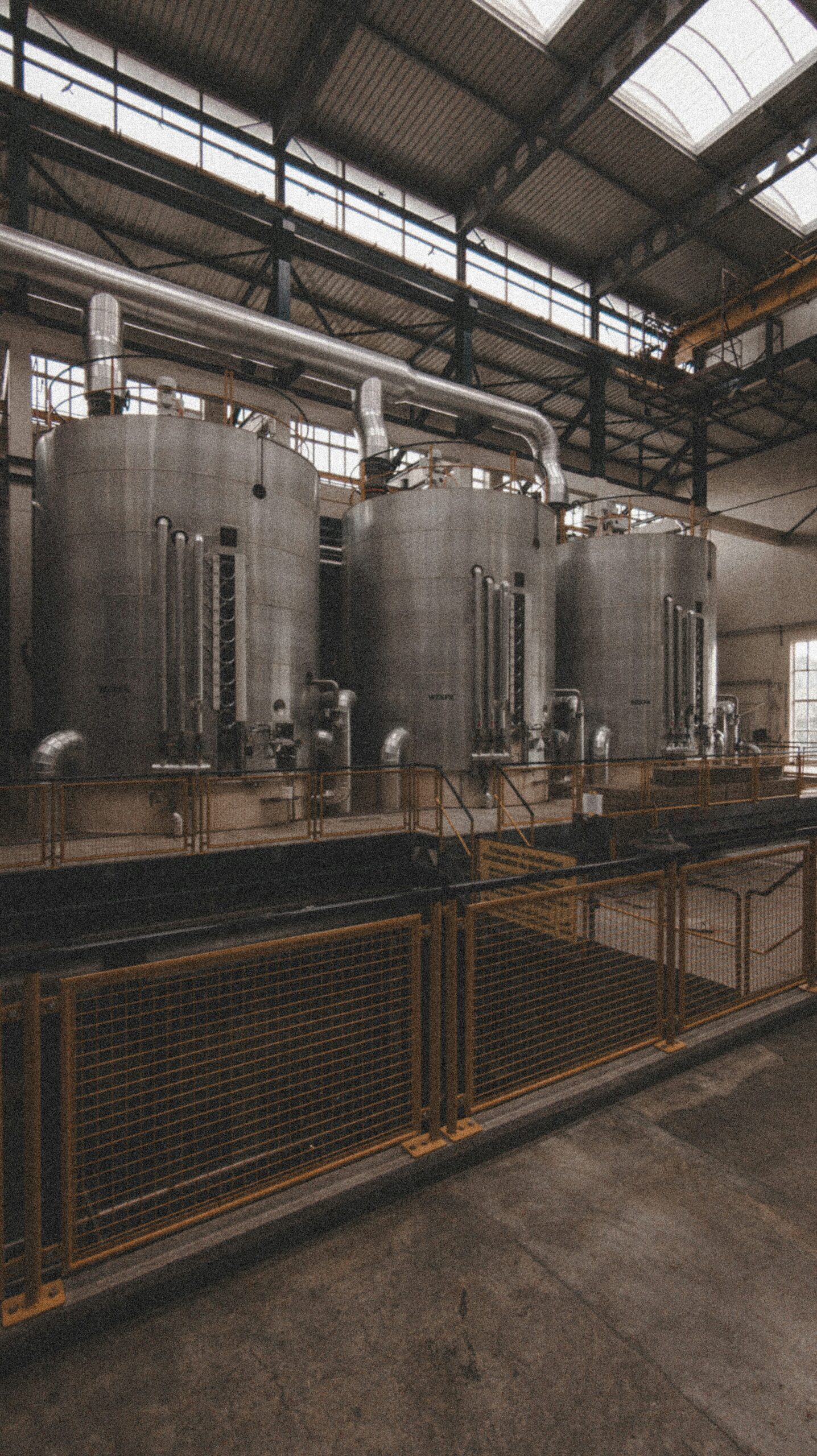
Drying has emerged as one of the important constraints. Removing water can extend storage life and make a vegetable stream easier to transport, mill, blend, or incorporate as an ingredient, but industrial drying requires capital, energy, available capacity, and process control. Teagasc identifies limited facilities for large scale drying and processing among the barriers encountered by the Irish pilot.
Food safety and regulation set another boundary. A crop may be rejected purely because it falls outside a commercial specification, but a new processing route still has to address traceability, contamination risks, microbiological stability, storage conditions, validation, and labelling. The material may be cosmetically unsuitable for its original market while remaining entirely suitable for food, but that distinction still needs to be supported by controlled handling and documented specifications.
The project has also exposed a supply problem. A potentially useful ingredient stream may exist in sufficient theoretical volume across a region yet remain commercially awkward if batches are dispersed between growers, available only seasonally, or located too far from suitable conversion equipment.
Those economics explain why developing more than 100 recipes is useful without proving that every route will scale. A technically successful bread, fermented ingredient, or confectionery formulation still has to compete for factory capacity, survive quality and sensory assessment, secure reliable raw material supply, and reach a price that works for both the grower and processor.
Similar questions are being tested elsewhere in the ingredients sector. Foodvalley’s UPcycled4Food programme is assessing environmental, nutritional, sourcing, and commercial performance of upcycled ingredients across categories including bakery, dairy, and meat. Both programmes reflect a shift from demonstrating that a by-product is edible towards proving that it can operate as a repeatable industrial raw material.
ROSETTA runs from 2024 to the end of 2026 and receives just under €5 million of EU funding. Its five European use cases cover fruit and vegetables, cereals, dairy, and meat, with work spanning food waste measurement, marketing standards, alternative business models, pilot trials, and policy development.
The wider programme is targeting potential reductions of 60% to 80% in food waste attributed to marketing standards through alternative market access, processing, and other interventions. That figure is a project ambition rather than a measured result from the Irish pilot, and the current Teagasc work is supplying evidence needed to test whether the target is achievable in practice.
Consumer response forms another part of the assessment. Teagasc has presented products developed through the pilot at public events and reported interest in foods made from materials that would otherwise have been rejected. Commercial adoption, however, still depends on demand strong enough to justify sourcing, processing, quality assurance, packaging, and production capacity.
The manufacturing challenge is therefore increasingly concrete. If rejected vegetables are to become ingredients rather than occasional demonstration products, processors need agreed raw material specifications, predictable collection, conversion equipment, stable storage, validated safety controls, and customers willing to buy the resulting output.
That is where the Irish pilot now becomes more useful than another circular economy showcase. Turning a carrot stalk into a bonbon demonstrates technical possibility; establishing the specifications, equipment, logistics, and economics needed to repeat the process determines whether the material can enter normal food production.