IN Brief:
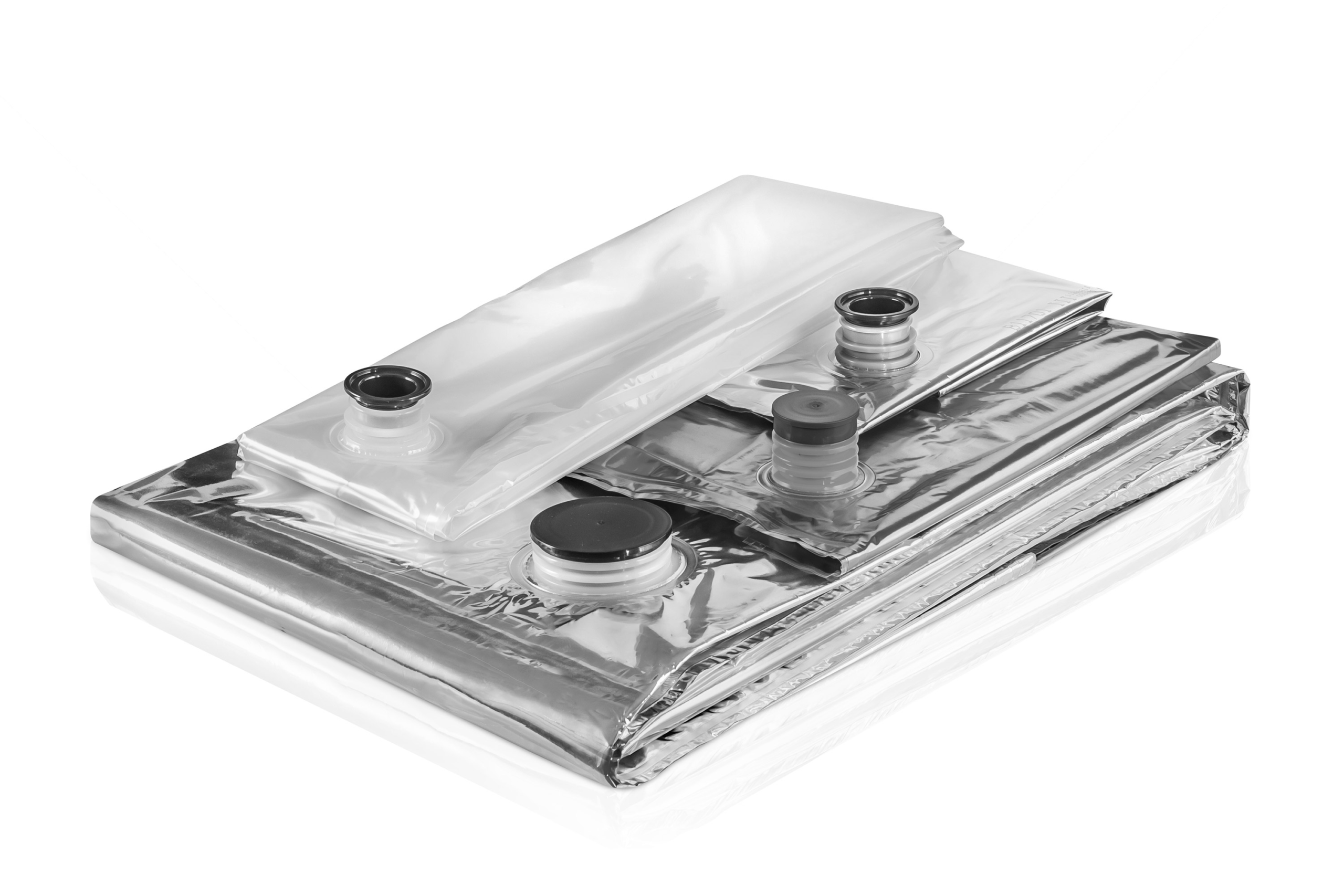
- ABMA is developing collection, recycling, and design guidance for multimaterial industrial aseptic bags.
- Current bag constructions combine polyethylene with barrier materials required for sterility, strength, and extended shelf life.
- The work is intended to establish a compliant recycling route before EU recyclability requirements tighten from 2030.
The Aseptic Bag Manufacturers Association has launched a three-year initiative to develop collection and recycling routes for industrial aseptic bags as European packaging rules move towards mandatory recyclability requirements from 2030.
The programme covers the multimaterial polyethylene-based bags used for bulk products including tomato paste and concentrate, fruit and vegetable juices, sauces, dairy products, liquid egg, and wine. ABMA intends to work with recyclers and producer responsibility organisations while developing design-for-recycling guidance specifically for industrial aseptic packaging.
The EU Packaging and Packaging Waste Regulation began applying across the bloc in August 2026. It requires packaging to become recyclable under progressively tighter criteria, with recyclability performance grades taking effect from 2030 and detailed design rules to be established through subsequent legislation.
Industrial aseptic bags are a difficult format to simplify because their material structure performs several functions simultaneously. Products can be sterilised, stored, and transported at ambient temperature, supporting long shelf life without continuous refrigeration. Delivering that performance commonly requires polyethylene to be combined with barrier materials such as metallised PET, aluminium foil, or polyamide.
Those layers can complicate conventional polyethylene recycling. ABMA’s programme therefore extends beyond redesigning the bag itself and includes development of a separate collection route and qualification of recycling technologies capable of dealing with current structures. The association is also examining the potential role of recovered material in future food contact applications.
Current bag structures have to survive filling, handling, storage, and long-distance transport while protecting sterile food ingredients over extended periods. A simpler material construction could improve recyclability, but any replacement still has to provide puncture resistance, oxygen protection, mechanical strength, and the shelf life expected by ingredient processors and their customers.
Alternative structures are under development but do not yet satisfy every functional requirement. The three-year programme therefore combines longer-term packaging redesign with an attempt to establish a viable recycling route for the installed base of multimaterial formats.
Industrial use could provide one advantage. Aseptic bags arise from a comparatively concentrated group of processors and filling operations rather than millions of households, creating the potential to segregate material at known sites and organise collection independently from mixed household packaging streams.
ABMA represents European manufacturers of aseptic bags for industrial, foodservice, and catering applications. Its members supply formats ranging from smaller bags to systems holding as much as 1,500 litres, including liners used inside drums and intermediate bulk containers.
These packs form part of the ingredient supply system rather than simply providing a consumer-facing container. Concentrated fruit, vegetables, dairy ingredients, and other products can be processed seasonally, stored in bulk, and shipped to factories for use throughout the year. Packaging performance therefore influences production planning as well as waste treatment.
A separate industrial collection stream could improve feedstock consistency for recyclers. Used bags can potentially be segregated, compacted, and transported from factories in predictable quantities, avoiding some of the contamination and sorting problems associated with post-consumer flexible packaging.
Commercial viability will still depend on sufficient volumes and access to recyclers equipped for the material mix. A technically recyclable construction provides little benefit if collection is fragmented, while an organised collection system cannot succeed without an outlet capable of processing the recovered packaging.
Extended producer responsibility adds another layer because implementation differs between national markets. Manufacturers and packaging suppliers will need to reconcile common European recyclability requirements with country-level collection, reporting, and producer responsibility arrangements.
The regulatory timetable gives the programme a defined endpoint. Design-for-recycling requirements begin from 2030, while requirements around packaging being recycled at scale are phased in later. Material structures, collection systems, recycling technologies, and compliance evidence therefore need to develop in parallel.
Aseptic packaging suppliers also have to avoid solving the waste problem by weakening the original purpose of the format. Losses from spoiled ingredients, refrigeration requirements, damaged packs, or shortened shelf life can carry material and energy costs of their own, so recyclability has to be developed alongside the food protection function.
ABMA’s three-year programme runs directly into the first major PPWR recyclability deadline. Its progress will depend on whether the industry can turn a concentrated industrial packaging stream into a documented recycling route while preserving the barrier and handling performance required by aseptic food production.