IN Brief:
- Carlsberg Britvic and The Rivers Trust have agreed a 10-year water programme around the Warwickshire Avon catchment.
- Initial projects are estimated to replenish more than 328,000m³ annually against current Rugby consumption of about one million cubic metres.
- River Alne floodplain and wetland work starts in October, with full site water replenishment targeted by 2032.
Carlsberg Britvic is launching a 10-year partnership with The Rivers Trust to restore rivers, wetlands, and floodplains near its Rugby manufacturing site, forming part of a commitment to replenish all water consumed at the plant by 2032.
The programme will focus on the Warwickshire Avon catchment, around 15 miles from the Rugby operation, and will be delivered locally by Severn Rivers Trust. Planned interventions include reconnecting rivers with floodplains, creating wetland habitat, and increasing the landscape’s capacity to slow and store water.
The first project is due to begin in October on the River Alne. Work will reconnect the river with its natural floodplain and create a network of storage wetlands intended to slow water movement across the landscape.
Carlsberg Britvic expects the intervention to reduce flood pressure for downstream communities including Henley-in-Arden and Alcester while creating new wetland and woodland habitat. The projects will be monitored to establish whether the expected water and ecological benefits are maintained over time.
The Rugby site consumes approximately one million cubic metres of water a year. Carlsberg Britvic has set an interim target to replenish 400,000m³ annually by 2028 and aims to reach 100% replenishment by 2032.
Based on current assumptions, the projects announced through the partnership are expected to replenish more than 328,000m³ each year. That would cover roughly one third of current annual consumption at Rugby and leave further work required to reach both the 2028 milestone and eventual full replenishment target.
Carlsberg Group has identified Rugby as a high-risk site through its water risk assessment. The assessment considers production scale and expected growth alongside catchment conditions including water availability, water quality, regulation, and community-related water risks.
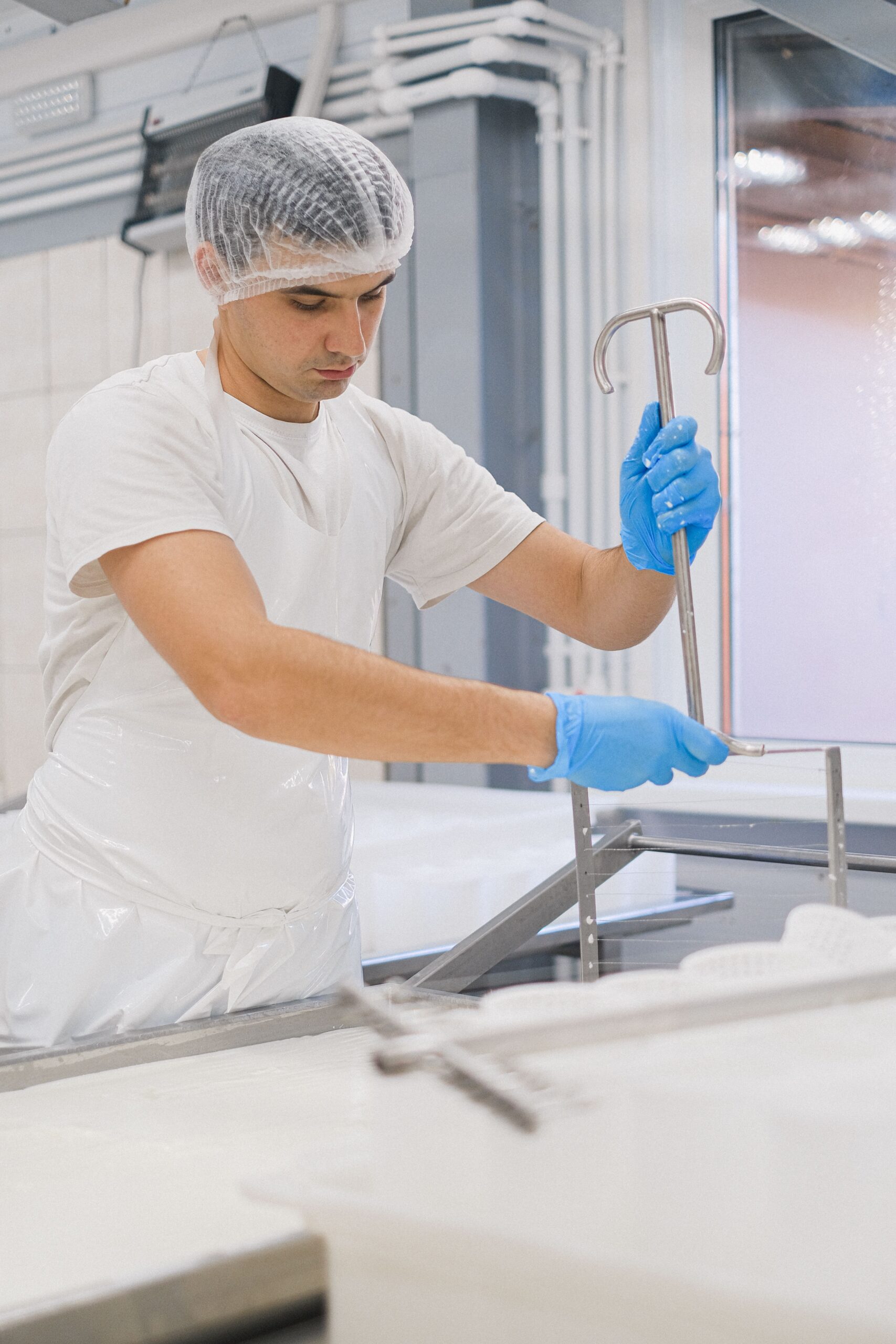
Water has several functions within beverage manufacturing. It forms part of the finished drink while also being used across cleaning, process operations, utilities, and supporting plant systems. Reducing consumption inside the factory can lower withdrawals, while catchment projects address water retention and ecological condition beyond the production boundary.
Paul Davies, chief executive officer of Carlsberg Britvic, said: “Water is at the heart of every drink we make, so protecting this precious resource is not only important for our business, it’s a responsibility we take seriously.”
He said the partnership would help convert the company’s water commitments into practical action with local stakeholders and support the target of replenishing 100% of the water consumed at Rugby by 2032.
The Rugby programme is Carlsberg Group’s first water replenishment project in Europe. Its wider Brewing Tomorrow programme includes a target to replenish all water consumed at production sites identified as being in high water-risk areas by 2032.
Carlsberg Britvic has already pursued water-efficiency measures within its UK manufacturing operations. The new partnership extends that work into the surrounding catchment, where performance depends on hydrology, land management, and cooperation with farmers, landowners, community organisations, and environmental specialists.
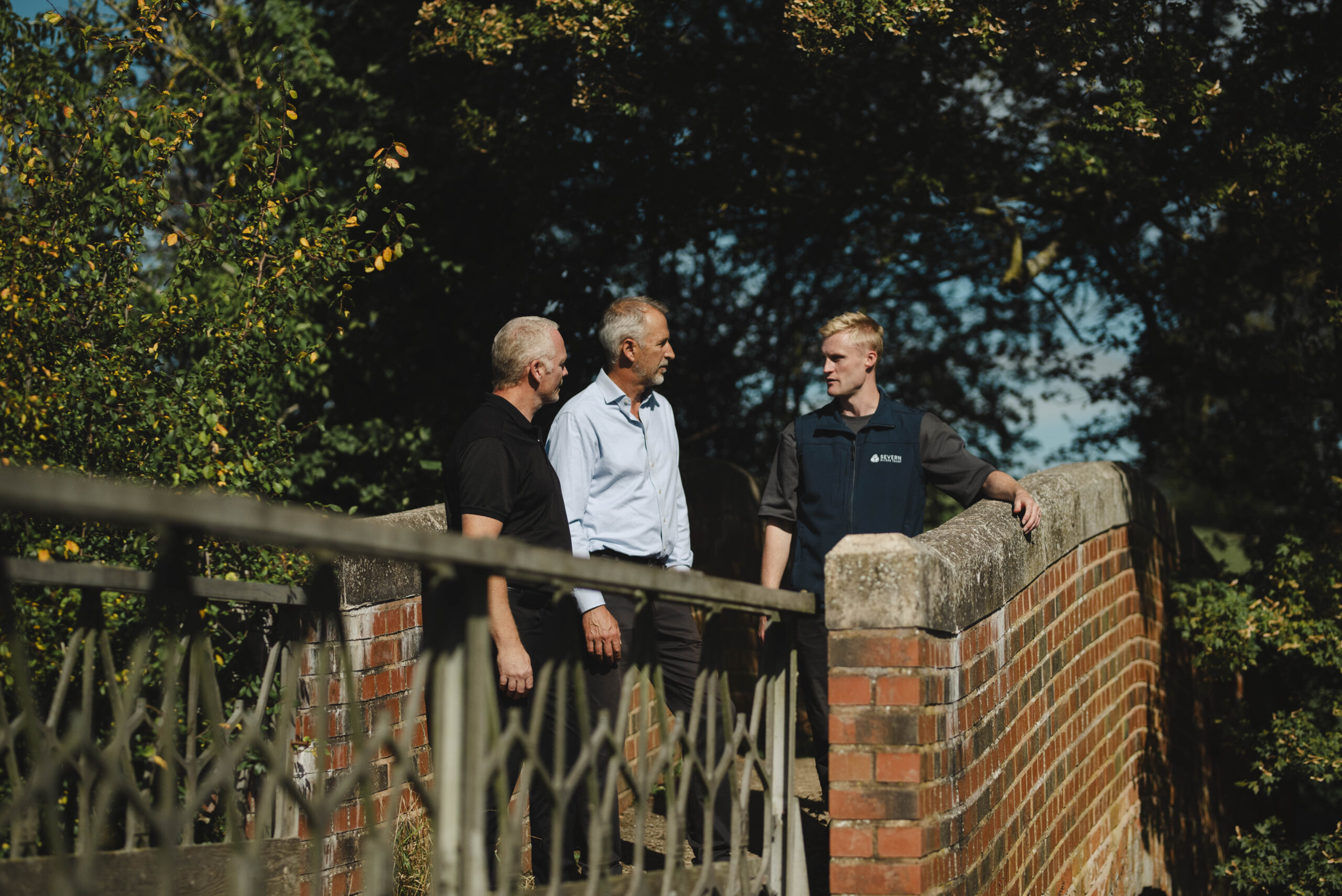
George Clark, programme manager at Severn Rivers Trust, said the investment would support practical restoration across the catchment. “By giving water more space and helping the landscape hold onto it for longer, this work can support wildlife, improve river health and help build resilience to both flooding and drought.”
Catchment restoration and factory efficiency address different parts of the water balance. A beverage plant still has to reduce the amount of water required for production, cleaning, and utilities, while restoration projects can increase storage, slow runoff, improve habitats, and strengthen the resilience of the wider system from which industrial users and communities draw water.
The River Alne project is intended to create storage wetlands and reconnect the watercourse with its floodplain rather than relying solely on engineered flood defences. Allowing more water to remain within the landscape can reduce the speed at which flows move downstream while also creating habitat and supporting groundwater and soil moisture.
The 10-year partnership gives the programme time to assess whether those measures continue performing after construction and establishment. Nature-based projects can change as vegetation develops, river channels respond, and surrounding land use evolves, making monitoring important to the replenishment volumes claimed against corporate targets.
Carlsberg Group has already used water replenishment projects at high-risk production sites outside Europe. The addition of Rugby brings the same approach into a UK catchment where the company operates one of its major beverage manufacturing sites.
The first announced projects do not reach the site’s full annual water consumption. At more than 328,000m³ of estimated replenishment a year, they approach the 400,000m³ interim goal but leave a gap that will require additional interventions, improved project performance, lower site consumption, or a combination of those measures.
Work on the River Alne begins in October, providing the first delivery milestone in a programme intended to run for a decade. Progress towards the 2028 target will provide an early measure of whether catchment restoration around Rugby is delivering replenishment at the scale required for the longer-term 2032 commitment.