IN Brief:
- Coveris has introduced PolyFlex Thermoform across three Al’Fez flatbread varieties sold through UK and EU retailers.
- The nylon-free structure combines a monomaterial polyethylene base web with polyethylene and polypropylene lidding.
- Shelf-life validation reached 12 weeks while retaining compatibility with existing thermoforming equipment.
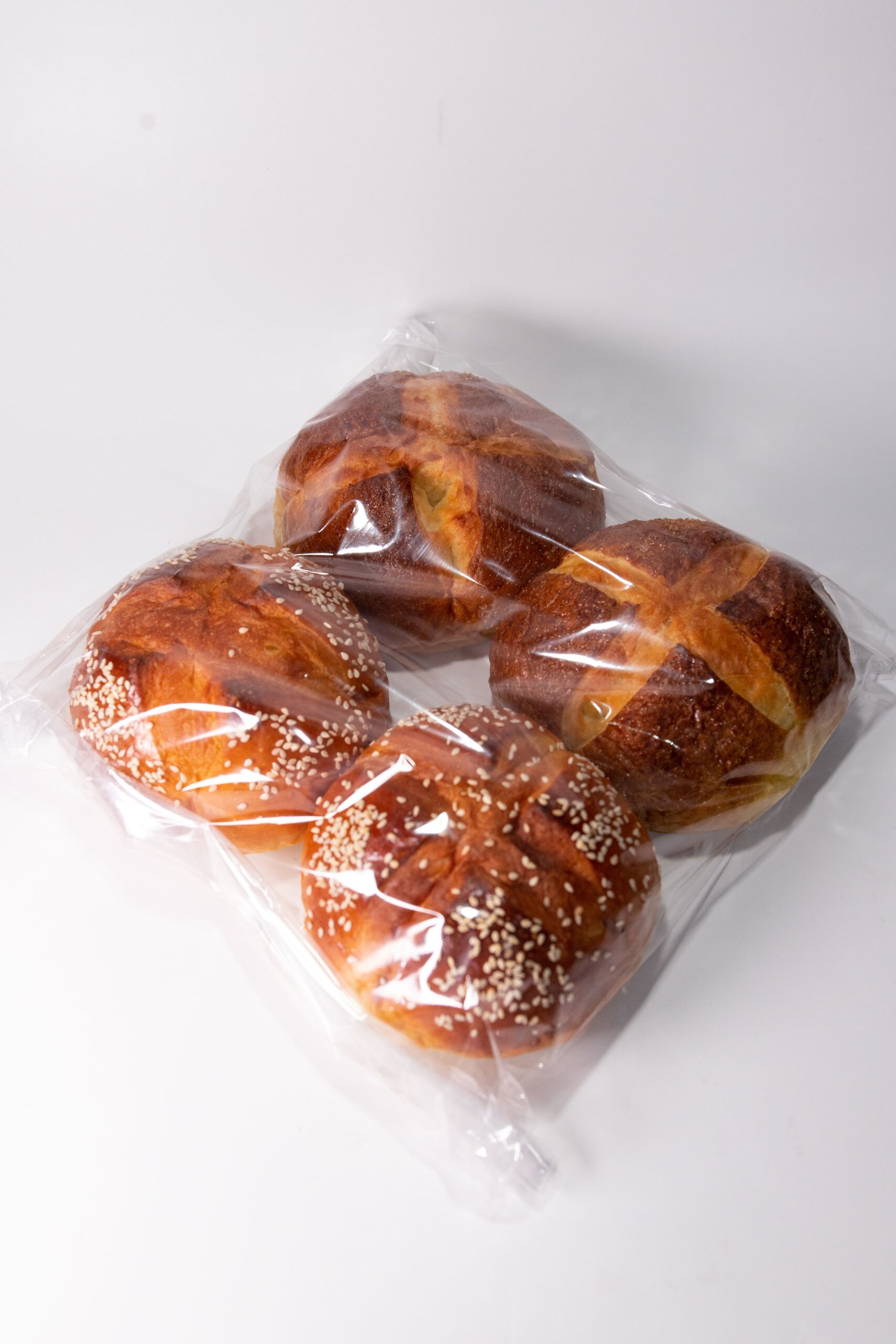
Coveris has introduced its PolyFlex Thermoform packaging across three Al’Fez flatbread products, taking a nylon-free high barrier structure into a bakery application that has traditionally relied on more complex thermoforming laminates. Developed with Signature Flatbreads and Al’Fez, the format is now being used for products sold through retailers in the UK and European Union, including Turkish-style flame baked mini flatbreads.
The structure combines a monomaterial polyethylene base web with a lidding film made from polyethylene and polypropylene, replacing nylon-containing constructions while retaining the heat resistance, puncture performance, barrier properties, and optical clarity required by the application. Coveris and its development partners have also validated a 12-week shelf life, giving the format the same commercial distribution horizon demanded of the products it is replacing rather than shortening the sales window to accommodate a different material structure.
Thermoformed bakery packaging has to tolerate several competing demands during routine production, because material that draws effectively into the base cavity still has to seal consistently at line speed, resist damage after filling, and maintain enough barrier performance to protect the flatbread through warehousing, transport, and retail display. A structure that improves its end-of-life profile but introduces slower cycles, unstable seals, or more damaged product simply transfers cost into another part of the operation, which places line performance alongside recyclability during qualification.
PolyFlex Thermoform has been designed to run on existing packing equipment, allowing Signature Flatbreads to introduce the new structure without replacing the thermoforming platform around it. Compatibility with installed machinery does not remove the validation work associated with a material change, since forming temperature, sealing parameters, reel handling, web tension, and inspection settings may still need adjustment, but it reduces the scale of the engineering intervention compared with changing the complete packaging process.
Removing nylon also changes the material profile presented to current recycling routes, with the new pack described as recycle-ready through front-of-store soft plastic collection points operated by major UK retailers. Flexible plastic collection remains uneven, so recyclability still depends on the infrastructure available after the pack leaves the consumer, although the UK’s Simpler Recycling programme is scheduled to extend mandatory kerbside collection to plastic films and bags from 2030.
Material simplification is being pursued against a regulatory background in which packaging weight, composition, recyclability, and supporting documentation increasingly carry direct commercial consequences. UK extended producer responsibility links qualifying businesses to packaging waste disposal costs, while the EU Packaging and Packaging Waste Regulation is bringing tighter common requirements around packaging design, material use, and conformity, giving producers more reason to examine complex laminates whose performance can be replicated with simpler structures.
Food packaging projects still have to protect the value of the food inside the pack, which is why the 12-week shelf-life result carries more weight than a material change in isolation. Flatbreads can lose quality through moisture movement, oxygen exposure, physical damage, or seal failure, and any reduction in usable life can increase write-offs through the factory, distribution network, and retailer even if the pack itself contains a more favourable material combination.
Keeping the existing production platform also affects the capital calculation. Converters can develop technically sophisticated alternatives, but adoption becomes considerably harder when a customer has to fund new forming equipment or accept a lengthy interruption to established lines; a material capable of running through the current thermoformer allows investment to remain concentrated on tooling, trials, validation, and operating settings rather than a wholesale machinery replacement.
The project extends Coveris’ earlier PolyFlex work in high barrier food packaging, where the company has already used mixed polyolefin structures to replace nylon laminates in block cheese applications. Bakery presents different product geometry and shelf-life conditions, but the engineering proposition is similar: retain the functional performance that originally justified a multilayer structure while reducing the number of material families contained within the finished pack.
Once a new pack reaches routine production, the useful measures are more prosaic than the sustainability language surrounding its launch. Seal reject rates, material consumption, downtime, product waste, line speed, pallet performance, and returned product will determine whether the structure remains viable after the validation phase, while recycling claims will continue to depend on collection and sorting systems developing alongside the packaging itself.
The Al’Fez launch moves PolyFlex Thermoform beyond a material concept and into commercial bakery production, with three live products providing a larger evidence base than a laboratory trial. Retaining a 12-week shelf life and compatibility with existing equipment gives the structure a practical route into further food applications, provided subsequent deployments reproduce those results under the different products, line settings, and distribution conditions they encounter.