IN Brief:
- Constellation Cold Logistics has acquired Impruv Logistics AS and its temperature-controlled facility in Langangen, southern Norway.
- The acquisition adds 25,000 pallet positions, increasing Constellation's stated Norwegian capacity to about 90,000.
- Purchase price, acquired revenue, equipment specifications and future capital expenditure were not disclosed.
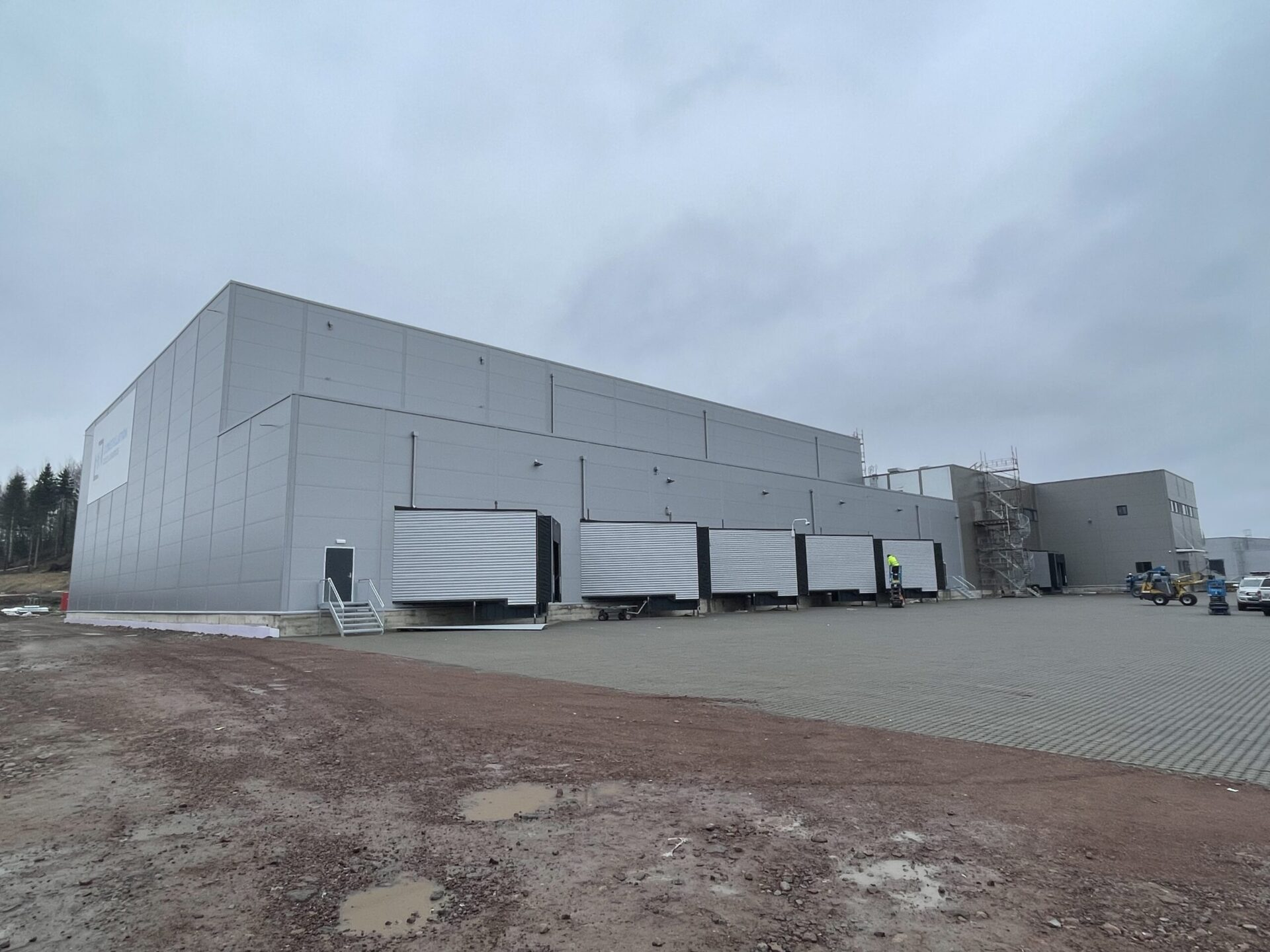
Constellation Cold Logistics has acquired Norwegian food cold-storage operator Impruv Logistics AS, adding 25,000 temperature-controlled pallet positions in Langangen and taking its stated storage capacity in Norway to approximately 90,000 positions.
The completed transaction was announced on 12 October and covers a recently developed operation near Porsgrunn, in southern Norway. Impruv serves food producers, importers and distributors through refrigerated warehousing and logistics services. Constellation did not disclose the purchase price, the acquired company’s revenue or a workforce figure, and no equipment modernisation programme has been announced as part of the deal.
The purchase extends Constellation’s existing Norwegian network rather than establishing its first business in the country. Before the acquisition, the group operated cold stores at Fredrikstad, Rakkestad and Tønsberg, with additional temperature-controlled transport and handling services. Its company material described approximately 66,000 Norwegian pallet positions before the latest transaction, consistent with the rounded total of about 90,000 now announced.
Across Europe, Constellation says it operates in ten countries and provides more than 1.2 million temperature-controlled pallet positions. The group is building a network of facilities intended to serve food supply chains, combining local storage operations with transport and other handling activities. The new Norwegian property will form part of that regional platform, although the timetable for any systems integration has not been disclosed.
Impruv’s facility opened in December 2025, according to its chairman. The acquisition therefore transfers an existing and relatively new operation rather than financing construction of all 25,000 positions. Customer occupancy and utilisation figures have not been published, leaving the site’s available storage headroom unquantified.
Temperature-controlled warehousing helps preserve the product conditions established during food manufacture. Finished frozen foods, chilled ingredients and packed prepared products may require different temperature regimes and handling sequences. Where a product leaves a factory under a specified temperature limit, receipt, storage and onward dispatch need to preserve that condition and retain the identification of each lot.
The number of pallet positions indicates how much stock can be accommodated at a given time, but annual movements depend on dwell periods, order sizes, warehouse labour, loading capacity and transport availability. A site holding goods for several weeks has a different flow of pallet movements from one handling short-term distribution stock, even where the two facilities have identical storage capacity.
Incoming food consignments must be checked against documentation and the handling requirements established by the product owner. Stock records then connect goods to storage locations and dispatch instructions, supporting rotation by expiry date or specified customer rules. Where pallets contain ingredients intended for further processing, those records also preserve information needed by manufacturers to trace material into subsequent production batches.
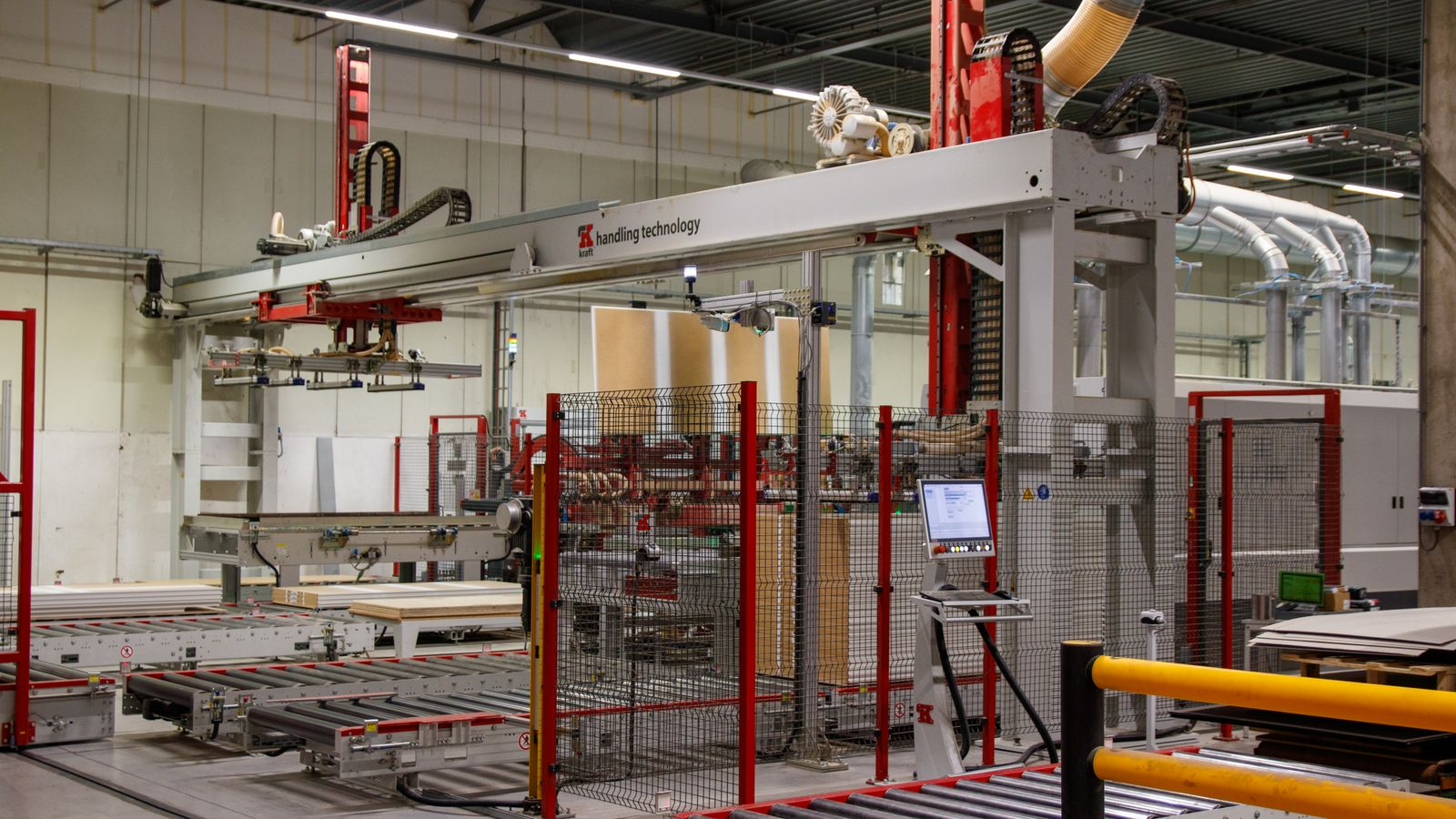
Constellation describes Impruv as offering modern infrastructure with transport capability and information-led logistics management. The announcement does not identify particular refrigeration equipment, warehouse software, automation systems or validated data interfaces. Nor does it provide measured energy performance, so the site’s technical efficiency cannot be inferred from its recent construction date.
Operational control involves more than refrigeration plant capacity. Loading-bay activity, door opening times, the temperature of incoming goods and the division between storage zones can all affect the load imposed on a cold store. Monitoring, alarms, maintenance and power continuity are equally relevant when products must remain within defined storage conditions. Their precise arrangements at Langangen have not been publicly specified.
The site provides another base in southern Norway, with the potential to extend storage choices available to producers and distributors already using the group’s network. The buyer has not disclosed revised delivery routes, promised lead-time reductions or new customer contracts, so those remain commercial possibilities rather than measured consequences of the acquisition.
Combining the Impruv business with an established national operation can connect storage capacity, customer relationships and local expertise within a broader group. Such integration still depends on consistent handling records, compatible systems and the continuity of temperature monitoring during the transfer between warehouses and vehicles. Constellation has not announced a timetable for implementing common systems or changes to the acquired management team.
The completed acquisition transfers ownership of a relatively new Norwegian food cold-storage operation and adds 25,000 pallet positions to Constellation’s network. The effect on throughput, equipment investment and customer service levels will depend on decisions made after the acquisition, none of which has been quantified in the October announcement.