IN Brief:
- McCain has agreed to acquire Falcon Agrifriz Foods’ frozen potato processing business in Gujarat, subject to closing conditions.
- Falcon Agrifriz operates a purpose-built automated factory with more than 450 staff and relationships with over 1,000 growers.
- The purchase price is undisclosed; McCain’s separate CAD 135m expansion of existing Gujarat operations has already been completed.
McCain Foods has agreed to acquire the frozen potato processing business of Falcon Agrifriz Foods in Gujarat, India, adding a purpose-built manufacturing site to its existing operations in the state if the transaction closes. The agreement was announced on 12 October, but the parties have not disclosed a purchase price or a completion date, and the transaction remains subject to customary closing conditions.
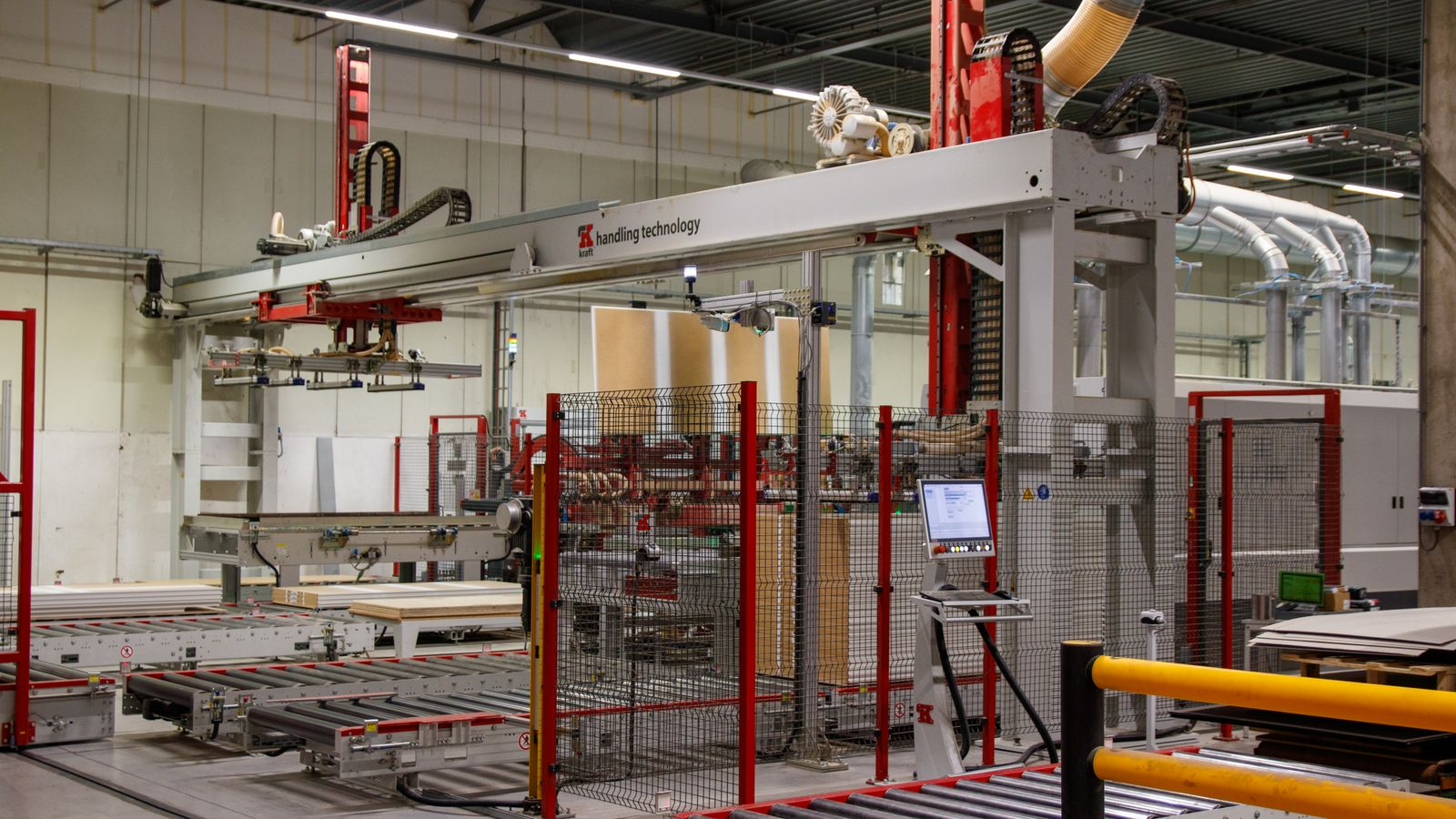
Falcon Agrifriz has more than 450 employees and established relationships with over 1,000 farmers across Gujarat. Its factory produces frozen potato products for domestic and international customers and has been described by the seller as a modern, fully automated operation developed in less than two years. Neither company has disclosed the plant’s rated capacity, utilisation, individual line specifications or output by product.
The business would complement McCain’s existing Mehsana manufacturing operation. McCain entered India in 1998 and says it currently has more than 940 direct employees and partnerships with over 2,500 farmers nationally. Those existing workforce and grower figures relate to McCain before completion; the Falcon numbers should not yet be added to them as though the operations had been integrated.
McCain’s intention is to increase production capability for the Indian market and selected export destinations. It recently completed a separate CAD 135 million expansion of its existing Gujarat manufacturing operations, which the company says created 110 full-time jobs and 150 contract roles. That investment must be distinguished from the proposed acquisition, whose consideration has not been published. No additional capital programme at the Falcon factory has been announced as part of the agreement.
A second factory in the same producing region could give the manufacturer more ways to organise potato intake, product allocation and customer orders, although those arrangements will depend on the equipment and commercial commitments at each site. There is no evidence yet of plans to relocate output, close production lines, standardise brands or transfer individual product formats. The stated industrial change is the prospective addition of an established processing operation, rather than an announced reorganisation of McCain’s Indian plants.
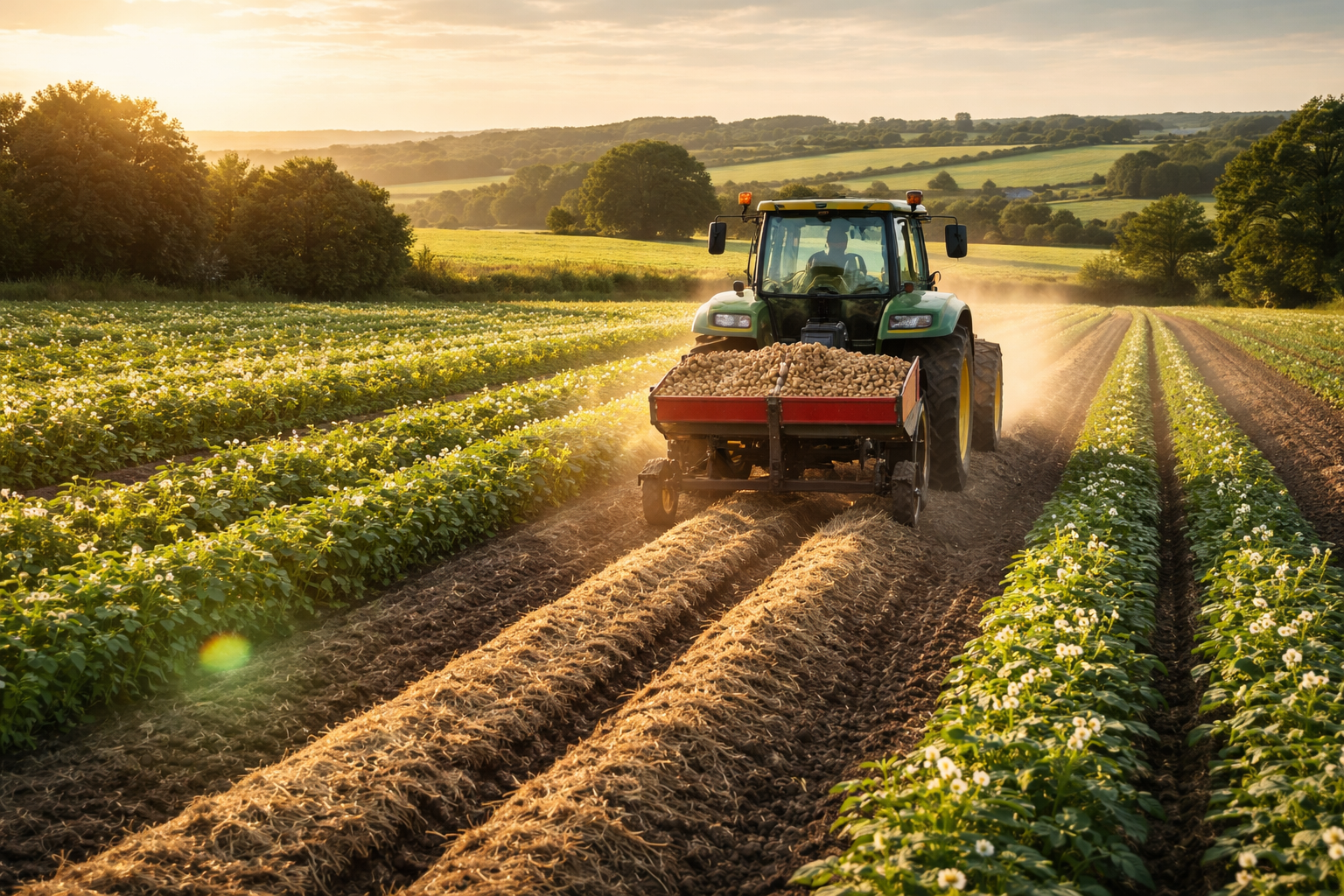
Raw potato supply is inseparable from the design of a frozen processing network. Fries and other formed potato products require incoming material with suitable size, solids content and cooking characteristics, while seasonal variation affects cutting yields and finished colour. McCain’s global sourcing model uses grower relationships, agronomy support and quality checks to maintain consistency. Falcon’s existing farming network is consequently part of the business being acquired, but the companies have not specified whether supplier contracts, growing varieties or delivery schedules will be altered after closing.
McCain’s established French fry production route includes grading and sorting potatoes, steam peeling, cutting, blanching, cooking and rapid freezing before packing. Quality checks at successive stages help remove defects and manage differences between incoming crops. Falcon’s line configuration has not been released, so these general production stages do not establish the specific equipment installed at its factory.
Blanching and cooking affect final colour, texture and moisture, while the freezing stage must bring prepared products to their specified condition before they enter cold storage. A processing line designed for one cut size or format may need different tooling and operating parameters for another. Output therefore depends on the capabilities of the preparation, thermal processing, freezing and packing equipment working together, rather than on the nominal floor area of a factory alone.
Frozen products need temperature-controlled storage and dispatch, with scheduling matched to raw potato deliveries and customers’ shipment requirements. McCain has not stated how much refrigerated storage is included in the transaction, what transport arrangements Falcon currently uses or whether cold-chain facilities will be shared between the two operations. The companies have not established a quantified increase in cold-chain capacity or export throughput.
The companies have highlighted Falcon’s existing workforce and grower relationships, without setting out post-acquisition employment or procurement arrangements. Falcon Agrifriz vice-chairman Parthajeet Patnaik credited employees and growers with establishing the factory, while McCain has said it looks forward to welcoming them into its network after completion. The statements do not confirm a post-acquisition management structure, employee transfer timetable or integration schedule, and any changes must await the transaction’s closing.
Until the closing conditions are satisfied, Falcon Agrifriz remains outside McCain’s ownership. The agreement offers a defined route to expand its Indian manufacturing footprint through an operating factory and an agricultural supply base, while the production volumes, investment requirements and detailed integration arrangements remain undisclosed.