IN Brief:
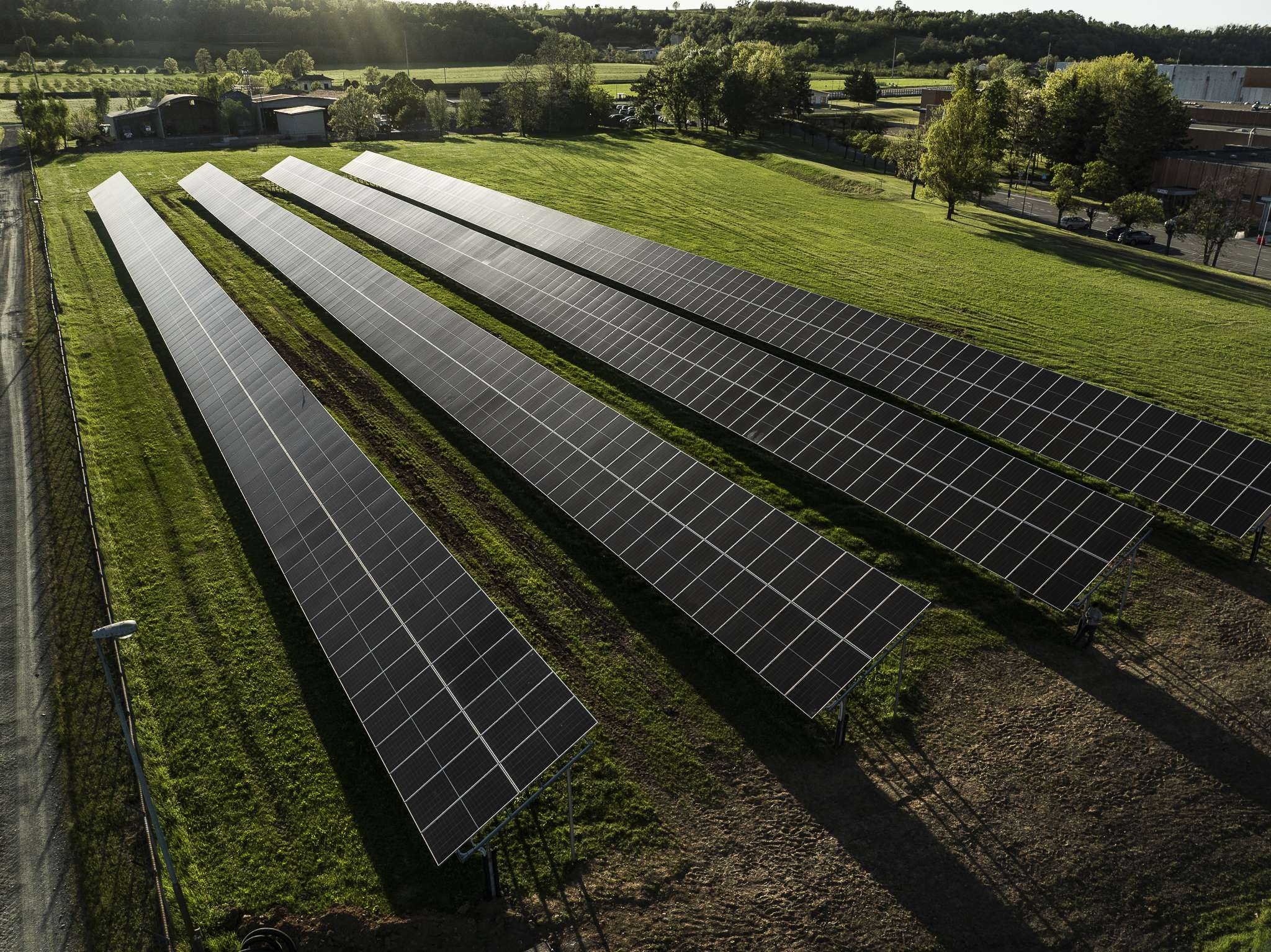
- The Capriata d’Orba biscuit factory has inaugurated more than 850 photovoltaic panels with 500 kW of nominal generating capacity.
- Mondelēz estimates 660 MWh of annual generation from the initial array; no full-year measured output was disclosed.
- A planned expansion would raise total capacity to approximately 1,250 kW and projected annual generation to 1,600 MWh.
Mondelēz International has inaugurated a 500 kW photovoltaic installation at its Capriata d’Orba biscuit and savoury snack factory in northern Italy, adding more than 850 solar panels to the site's electricity infrastructure.
The company announced the inauguration on 8 October and estimates that the initial array will generate approximately 660 MWh of electricity annually. It also plans to expand the installation to roughly 2,000 panels, with total nominal capacity of 1,250 kW and estimated annual generation of 1,600 MWh. No completion date for that expansion, project investment figure or measured full-year output has been disclosed.
At the proposed final configuration, the forecast annual generation would be equivalent to approximately 45% of the electricity the factory purchases from Italy's national grid. The percentage is a comparison with purchased grid electricity, rather than a statement that photovoltaic generation will meet 45% of the factory's entire energy requirement. Mondelēz has not published the site's electricity demand profile, fuel consumption or the proportion of solar output it expects to use directly.
The Capriata d’Orba factory, in the province of Alessandria, produces Oro Saiwa biscuits and savoury snack brands including TUC, Cipster, Ritz and Premium. According to the manufacturer, it uses approximately 30,000 tonnes of Italian wheat flour and exports 35% of production. Annual Oro Saiwa output exceeds 33 million packs, representing more than three billion biscuits. The company has not disclosed the power demand of individual production lines or other plant equipment.
Rated at 500 kW under defined test conditions, the system will not produce that power continuously throughout the day. Actual production changes with irradiance, season, panel temperature and electrical-system losses. The published 660 MWh per year is a generation forecast, so it cannot yet be treated as twelve months of independently measured operating performance.
Panels produce direct-current electricity, which must be converted into alternating current at the voltage and frequency required by the factory's electrical network. When available solar power coincides with site demand, it can offset grid purchases. Outside generating hours, and whenever factory loads exceed solar output, grid electricity or another available supply must cover the difference. The announcement does not provide inverter specifications, battery storage arrangements or export permissions, and no particular on-site consumption rate can be established from the annual estimates alone.
Factory demand also changes over the course of production. Dough preparation, mixing, conveying, packaging, extraction and ancillary equipment draw electrical power according to the lines running and the services required at the time. Photovoltaic generation follows daylight and weather conditions instead of the manufacturing schedule. Consequently, the annual generation total does not reveal how much grid electricity will be displaced at each point in the day or whether unused electricity will be exported or curtailed.
Although the array can provide electrical power, it does not necessarily replace the energy used to heat baking ovens. Ovens and other process heating equipment may use gas, electricity or combinations of energy sources, depending on their design. Mondelēz has not specified the heating technology at Capriata d’Orba or said that the solar project replaces fuel used for baking. Similarly, the company has not reported site-specific carbon savings or an emissions-accounting calculation attributable to the newly inaugurated panels. Neither benefit can be quantified from nominal generating capacity alone.
Increasing the system from 500 kW to 1,250 kW would add 750 kW of nominal capacity, bringing the eventual installation to two and a half times the inaugurated rating. The projection for annual production rises from 660 MWh to 1,600 MWh at the larger configuration. Both the 1,600 MWh estimate and the 45% comparison depend on the planned expansion taking place; they do not describe current output or a share of electricity already delivered by the new installation.
The solar work forms part of a longer investment programme at the factory, which opened in 1985. At its fortieth anniversary in 2025, Mondelēz reported that annual production capacity had doubled over the plant's history, from approximately 20,000 to 40,000 tonnes, alongside greater automation and digitalisation. The company also referred to earlier renewable-energy measures, although its historical description of energy requirements cannot be used as a like-for-like comparison with the October 2026 estimate of grid electricity purchases.
Gabriella Della Porta, manufacturing director for Mondelēz International in Italy, described the inauguration as a further step in the site's energy transition. The installed array has a published generation forecast but no reported full-year output, while the proposed expansion has no announced commissioning timetable. Subsequent operating figures will establish how the panels perform across the factory’s working patterns and seasonal changes in solar generation.